
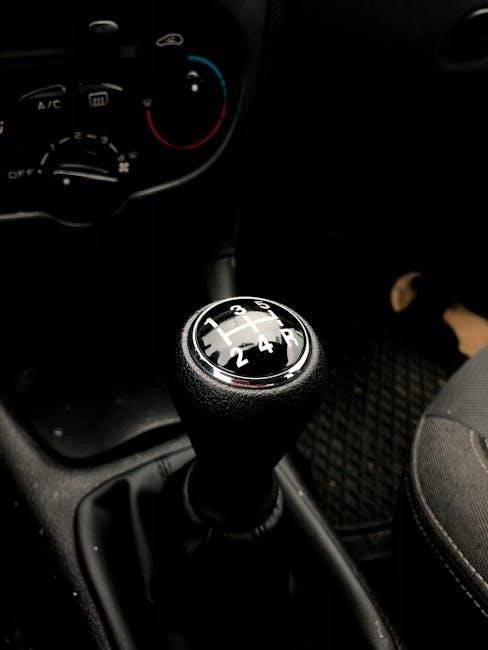
1uz manual gearbox
Dive into the world of the 1UZ engine with a manual gearbox! Find comprehensive manuals, troubleshooting tips, and everything you need for a smooth shift. Download now!
The 1UZ-FE engine‚ renowned for its smoothness and durability‚ gains a new dimension with a manual gearbox swap‚ enhancing driver engagement and control․
This conversion‚ though complex‚ unlocks the full potential of the 1UZ‚ offering a thrilling driving experience beyond the standard automatic transmission․
Adaptation kits and hydraulic clutch systems are key components‚ alongside careful drivetrain modifications‚ to achieve a seamless and reliable manual conversion․
The Appeal of the 1UZ-FE Engine
The Toyota 1UZ-FE engine has garnered a devoted following‚ and for exceptionally good reason․ Its inherent smoothness‚ stemming from its balanced inline-six configuration‚ delivers a refined power delivery rarely matched by other engines in its class․ Beyond its silky operation‚ the 1UZ-FE boasts remarkable durability and reliability – a characteristic that makes it a prime candidate for demanding projects like manual gearbox conversions․
This engine’s robust construction allows it to handle significant power upgrades‚ making it ideal for those seeking a high-performance build․ The 1UZ-FE’s widespread availability and relatively affordable price point further contribute to its appeal‚ lowering the barrier to entry for enthusiasts․ It’s a powerplant that offers a compelling blend of sophistication‚ strength‚ and value‚ making it a cornerstone of many custom builds․
Why Choose a Manual Gearbox?
Opting for a manual gearbox in a 1UZ-FE swapped vehicle fundamentally transforms the driving experience․ It introduces a level of driver engagement and control absent in the factory automatic configuration‚ allowing for precise gear selection and a more connected feel with the engine’s power․ This is particularly appealing for enthusiasts who enjoy spirited driving or track use․
Beyond the enhanced driving dynamics‚ a manual transmission can improve efficiency and potentially unlock more power by eliminating the parasitic losses inherent in a torque converter․ The ability to hold gears longer and dictate engine braking also adds another dimension to vehicle control․ Ultimately‚ the manual swap caters to those prioritizing a more visceral and interactive driving experience․
Overview of the Conversion Process
The 1UZ-FE manual gearbox conversion is a multi-stage process demanding meticulous planning and execution․ It begins with selecting a compatible gearbox – R154‚ V160‚ or JZ series are popular choices – and sourcing a bellhousing adaptor to mate it to the 1UZ engine․ A hydraulic clutch system is essential‚ requiring master and slave cylinder installation and careful line routing․
Drivetrain modifications‚ including driveshaft adjustments and differential considerations‚ are crucial for proper function․ Wiring integration for the engine management system and speed sensor is also necessary․ Expect potential challenges like space constraints and vibration‚ requiring custom fabrication and careful balancing․ Thorough research and preparation are key to a successful conversion․
Understanding the 1UZ-FE Engine
The 1UZ-FE‚ a robust and smooth inline-six‚ is a popular choice for conversions due to its inherent reliability and potential for increased performance․
Engine Specifications and Characteristics
The 1UZ-FE is a 3․0-liter (2997 cc) naturally aspirated V6 engine‚ initially produced from 1989 to 2002․ It boasts a cast-iron block and aluminum cylinder heads‚ contributing to its legendary durability․ Key specifications include a 97mm bore and 89mm stroke‚ resulting in a 9․4:1 compression ratio․
Power output varied depending on the year and market‚ typically ranging from 185 to 210 horsepower and 268 to 280 lb-ft of torque․ The engine features dual overhead camshafts (DOHC) and 24 valves‚ ensuring efficient cylinder filling and exhaust scavenging․ Its smooth power delivery and relatively lightweight construction make it an ideal candidate for manual gearbox conversions‚ offering a balanced and responsive driving experience․
Notably‚ the 1UZ-FE is known for its quiet operation and refined character‚ even when heavily modified․
Common 1UZ-FE Applications (Toyota Models)
The 1UZ-FE engine found its home in a variety of Toyota models‚ primarily luxury vehicles and vans․ Most notably‚ it powered the Toyota Crown‚ Mark II‚ Chaser‚ and Cresta‚ becoming synonymous with reliability and refinement in these platforms․ It also featured prominently in the Toyota Soarer (Lexus SC300/400 in North America)‚ offering a potent and smooth grand touring experience․
The Toyota HiAce‚ a popular commercial van‚ also utilized the 1UZ-FE‚ showcasing its versatility and durability in a workhorse application․ These vehicles‚ often readily available and relatively affordable‚ serve as common donor platforms for 1UZ-FE manual gearbox conversion projects․ The engine’s widespread use ensures parts availability and a strong community support network․
Engine Reliability and Maintenance
The 1UZ-FE is celebrated for its exceptional reliability‚ often exceeding 300‚000 miles with proper maintenance; Regular oil changes‚ utilizing high-quality oil and filters‚ are paramount․ Timing belt replacement‚ typically every 60‚000-90‚000 miles‚ is crucial to prevent catastrophic engine failure․ Coolant flushes should also be performed on a scheduled basis to maintain optimal cooling system efficiency․
While robust‚ the 1UZ-FE isn’t immune to age-related issues․ Valve stem seals can leak‚ causing oil consumption‚ and the rear main seal may develop leaks over time․ Addressing these proactively prevents larger problems․ When converting to a manual gearbox‚ ensure the engine’s health is verified‚ as increased driver demand may expose existing weaknesses․
Gearbox Options for 1UZ Conversions
Popular choices like the R154‚ V160‚ and JZ series gearboxes offer varying strengths and gear ratios for the 1UZ-FE‚ demanding careful consideration․
Popular Gearbox Choices (e․g․‚ R154‚ V160‚ JZ series)
When selecting a manual gearbox for a 1UZ-FE conversion‚ several options consistently emerge as favorites among enthusiasts․ The Toyota R154‚ originating from the MKIII Supra and other models‚ is a robust and relatively accessible choice‚ known for its strength and straightforward adaptation․ However‚ it may require modifications for optimal fitment․
The V160 gearbox‚ also from the Supra lineage‚ represents a step up in strength and refinement‚ offering a more premium feel․ It’s generally considered more desirable but can be harder to source and more expensive․ JZ series gearboxes‚ such as those found in the JZA80 Supra or JZX100 Mark II‚ present another viable option‚ often requiring custom bellhousing adaptors․
Each gearbox possesses unique characteristics regarding gear ratios and overall driving experience‚ influencing the final outcome of the conversion․ Careful evaluation of intended use – whether for street driving‚ drifting‚ or track performance – is crucial when making a selection․
Gear Ratio Considerations
Selecting appropriate gear ratios is paramount for a successful 1UZ-FE manual conversion‚ directly impacting acceleration‚ cruising speed‚ and overall drivability․ A mismatch can lead to underwhelming performance or an uncomfortable driving experience․ Consider the vehicle’s intended use; a drift build will prioritize different ratios than a street-focused setup․
Shorter gear ratios provide quicker acceleration but may sacrifice top-end speed and fuel efficiency․ Conversely‚ taller ratios offer better highway cruising but can feel sluggish during initial acceleration․ The final drive ratio in the differential also plays a critical role‚ needing to be harmonized with the gearbox ratios․
Careful calculation and potentially experimentation are often necessary to achieve the desired balance․ Many converters opt for ratios that maintain a similar overall feel to the original automatic transmission‚ while others aim for a more aggressive or relaxed driving experience․
Gearbox Strength and Limitations
The chosen gearbox must withstand the 1UZ-FE’s substantial torque output‚ especially if the engine is modified for increased power․ Popular options like the R154 and V160 are known for their robustness‚ but even these have limitations․ Understanding these is crucial for a reliable conversion․
The R154‚ while strong‚ can be prone to wear with prolonged abuse or high horsepower figures․ The V160 generally offers greater strength but can be more challenging to source and adapt․ JZ series gearboxes present another viable option‚ each with its own strengths and weaknesses․
Consider the gearbox’s age and previous usage․ Internal inspections and potential upgrades‚ such as stronger synchros or gears‚ may be necessary for high-performance applications․ Ignoring these limitations can lead to costly failures down the road․
Adapting the Gearbox to the 1UZ-FE
Successful integration requires a bellhousing adaptor to mate the selected gearbox to the 1UZ engine block‚ ensuring proper alignment and a secure connection․
Bellhousing Adaptors: Design and Availability
Bellhousing adaptors are crucial for joining a non-factory gearbox to the 1UZ-FE engine․ These aren’t typically direct bolt-on components; instead‚ they’re precisely machined interfaces designed to bridge the differing bolt patterns and mounting surfaces․
Common materials include billet aluminum for lightweight strength and steel for high-load applications․ The design must accurately center the gearbox input shaft with the 1UZ’s crankshaft to prevent premature wear and vibration․ Availability varies; some adaptors cater to popular gearboxes like the R154‚ V160‚ or JZ series․
Specialty manufacturers often offer these adaptors‚ and custom fabrication is sometimes necessary depending on the chosen gearbox․ Careful consideration of dowel pin locations and proper torque specifications during installation are paramount for a reliable connection․
Clutch Compatibility and Selection
Selecting the correct clutch is vital for a successful 1UZ-FE manual conversion‚ as the factory automatic setup is incompatible․ Considerations include the gearbox’s input shaft spline count and diameter‚ alongside the 1UZ’s torque output;
Performance clutches designed for higher horsepower applications are often preferred‚ even for stock engines‚ to ensure longevity and prevent slippage․ Options range from organic to ceramic discs‚ each offering different levels of grip and driveability․
Pressure plate selection must match the disc and gearbox․ Hydraulic throw-out bearings are typically used‚ requiring careful routing and adjustment․ Ensuring proper clutch travel and engagement point is crucial for smooth shifting and preventing damage․
Flywheel Options and Considerations
The factory 1UZ-FE flywheel is unusable with a manual gearbox‚ necessitating a replacement designed for manual transmission applications․ Lightweight flywheels are popular choices‚ improving engine responsiveness and acceleration by reducing rotational inertia․
However‚ excessively lightweight flywheels can make the engine stall more easily at low speeds․ Steel flywheels offer a balance between weight and durability‚ while aluminum options prioritize weight savings․ Correct balancing is paramount to prevent vibrations․
The flywheel must be compatible with the chosen clutch disc and pressure plate․ Ensure proper bolt pattern and crankshaft flange fitment․ Some aftermarket flywheels include provisions for pilot bearings‚ essential for proper gearbox alignment․

Hydraulic Clutch System Setup
A hydraulic clutch system is crucial for a smooth and reliable 1UZ manual conversion‚ offering consistent pedal feel and engagement․
Careful selection and mounting of master and slave cylinders‚ along with proper line routing‚ are essential for optimal performance․
Master Cylinder Selection and Mounting
Choosing the correct master cylinder is paramount for a successful 1UZ manual conversion‚ directly impacting pedal feel and clutch engagement․ Bore size significantly influences effort; a smaller bore requires more pedal pressure‚ while a larger bore offers easier engagement but potentially less control․
Consider the leverage ratio of your pedal assembly when selecting the appropriate size․ Mounting location requires careful planning‚ ensuring proper alignment with the slave cylinder and avoiding interference with other components․ Fabricating a custom bracket is often necessary‚ prioritizing rigidity and secure attachment to the firewall․
Proper mounting prevents flexing‚ which can lead to inconsistent clutch operation and premature failure․ Ensure the master cylinder is positioned to maintain a slight downward angle towards the reservoir‚ preventing air from being drawn into the system․ Thoroughly bleed the system after installation to eliminate any air bubbles and achieve optimal performance․
Slave Cylinder Selection and Installation
The slave cylinder’s selection hinges on the chosen gearbox; concentric slave cylinders mount within the clutch fork‚ while remote cylinders require additional hydraulic line routing․ Compatibility with the gearbox input shaft and clutch fork is crucial for proper operation․
Installation demands precision․ Ensure the pushrod aligns perfectly with the clutch fork‚ avoiding binding or excessive play․ Secure mounting is vital‚ preventing vibration and leaks․ Remote slave cylinders necessitate careful bracket fabrication and hose routing‚ avoiding heat sources and moving parts․
Bleeding the slave cylinder thoroughly after installation is essential to remove air bubbles‚ guaranteeing firm clutch engagement․ Inspect for leaks and proper operation before final assembly‚ ensuring a smooth and reliable clutch system for your 1UZ conversion․
Hydraulic Line Routing and Bleeding
Routing hydraulic lines requires careful planning to avoid heat sources like the exhaust manifold and potential damage from moving engine components․ Use high-quality‚ DOT-approved hydraulic hose specifically designed for brake/clutch systems‚ ensuring it withstands pressure and temperature fluctuations․
Secure the lines with appropriate clips and brackets‚ preventing chafing and kinking․ Proper routing minimizes pressure loss and ensures consistent clutch engagement․ Bleeding the system is critical to remove air‚ which causes a spongy pedal feel․
Utilize a two-person bleeding process or a pressure bleeder for optimal results․ Start at the slave cylinder‚ repeating the process until bubble-free fluid emerges‚ guaranteeing a firm and responsive clutch operation for your 1UZ manual conversion․
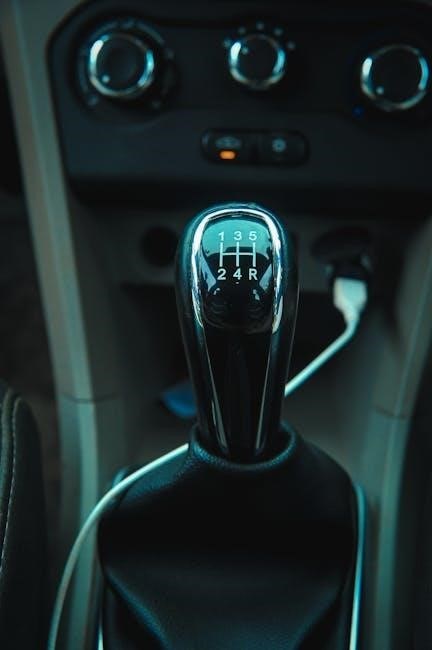
Drivetrain Components and Modifications
A successful 1UZ manual swap necessitates driveshaft adjustments or replacement‚ alongside careful differential scrutiny‚ and propeller shaft balancing for optimal performance․
Driveshaft Modification or Replacement
The original driveshaft‚ designed for the automatic transmission’s output‚ almost invariably requires modification or complete replacement when converting to a manual gearbox․ This stems from differing lengths and potentially incompatible U-joint configurations․ Careful measurement is crucial; the driveshaft must accommodate the new transmission’s output flange position․
Options include shortening the existing driveshaft‚ which demands professional welding and balancing‚ or sourcing a custom-made driveshaft tailored to the 1UZ and chosen gearbox combination․ Ignoring this step can lead to vibrations‚ premature wear‚ and even drivetrain failure․ Ensuring proper driveshaft angle is also paramount for smooth operation and longevity․ A driveshaft shop specializing in performance applications is highly recommended for this critical component․
Differential Considerations
While not always mandatory‚ evaluating the differential’s suitability is vital during a 1UZ manual gearbox conversion․ The original differential’s gear ratio may not optimally match the manual transmission’s characteristics‚ impacting acceleration and cruising RPM․ Consider whether a gear ratio change will enhance the driving experience‚ particularly if the vehicle’s intended use differs from its original configuration․
Furthermore‚ assess the differential’s strength․ The increased torque delivery from a manual gearbox‚ coupled with the 1UZ’s power‚ could potentially exceed the differential’s limits‚ especially in high-performance applications․ Upgrading to a stronger differential‚ such as a limited-slip differential (LSD)‚ may be necessary to handle the increased stress and improve traction․
Propeller Shaft Balancing
Following driveshaft modification or replacement during a 1UZ manual gearbox conversion‚ meticulous balancing is absolutely crucial․ An unbalanced driveshaft introduces vibrations that can compromise the entire drivetrain‚ leading to premature wear and potential component failure․ These vibrations are often amplified with the increased power and more direct connection of a manual transmission․
Professional balancing involves precisely identifying and correcting weight imbalances along the driveshaft’s length․ This typically involves welding small weights onto the shaft to counteract the imbalances․ Ignoring this step can result in a harsh driving experience‚ accelerated bearing wear in the gearbox and differential‚ and even structural damage over time․ Prioritize a properly balanced driveshaft for a smooth and reliable conversion․
Wiring and Electronic Considerations
Integrating the engine management system‚ speed sensors‚ and tachometer requires careful wiring and potentially a standalone ECU for optimal 1UZ manual gearbox function․
Engine Management System (EMS) Integration
Successfully integrating the Engine Management System (EMS) is crucial for a reliable 1UZ-FE manual gearbox conversion․ The factory ECU often requires modification or replacement to properly manage the engine with the altered drivetrain․ Standalone EMS options‚ like those from Haltech or Link‚ provide full control over fuel and ignition mapping‚ optimizing performance and addressing potential compatibility issues․
Careful consideration must be given to tuning the EMS to account for the manual transmission’s different operating parameters compared to the original automatic․ This includes adjusting the rev limiter‚ throttle response‚ and fuel curves․ Proper EMS integration ensures smooth operation‚ prevents engine damage‚ and unlocks the full performance potential of the 1UZ-FE in its new manual configuration․
Speed Sensor Integration
Accurate speed sensor integration is paramount for a functional 1UZ-FE manual gearbox conversion‚ impacting the speedometer‚ odometer‚ and potentially the engine management system․ The original automatic transmission speed sensor is incompatible; therefore‚ a new sensor must be sourced and installed‚ typically on the gearbox output shaft or differential․
Wiring the new speed sensor to the instrument cluster and ECU requires careful attention to signal type and calibration․ Some EMS systems can directly interpret the new sensor’s signal‚ while others may necessitate a signal converter․ Correct calibration ensures accurate speed readings and proper operation of features like cruise control‚ if retained․ Thorough testing is vital to confirm accurate speed reporting post-conversion․
Tachometer Connection
Connecting the tachometer after a 1UZ-FE manual gearbox conversion requires careful consideration‚ as the original signal from the automatic transmission is no longer available․ The tachometer typically receives a pulse signal generated by the engine’s ignition system or‚ alternatively‚ from the gearbox itself․
Often‚ a tachometer adapter or signal converter is necessary to translate the new signal into a format compatible with the factory instrument cluster․ Proper wiring and signal conditioning are crucial for accurate RPM readings․ Incorrect connections can lead to inaccurate displays or even damage to the tachometer․ Verification with an external RPM gauge is recommended post-installation to ensure correct functionality․

Potential Challenges and Solutions
Space limitations‚ vibration‚ and cooling system adjustments are common hurdles during a 1UZ manual swap; careful planning and modifications are essential for success․
Space Constraints and Modifications
The 1UZ-FE engine‚ while compact for a V8‚ presents spatial challenges when paired with a manual gearbox‚ particularly in chassis not originally designed for this combination․ The gearbox itself‚ such as the popular R154 or V160‚ often requires modifications to the transmission tunnel to ensure adequate clearance․ This may involve careful reshaping of the metal or the installation of a custom tunnel section․
Furthermore‚ the hydraulic clutch master cylinder placement can be problematic‚ demanding creative mounting solutions to avoid interference with other components․ Exhaust routing may also need adjustment to accommodate the new drivetrain layout․ Careful measurement and planning are crucial to minimize these issues‚ potentially requiring relocation of ancillary components or fabrication of custom brackets․
Vibration and Noise Reduction
Converting to a manual gearbox with the 1UZ-FE can introduce increased vibration and noise levels compared to the stock automatic setup․ This stems from the inherent characteristics of manual transmissions and the potential for drivetrain imbalances․ Addressing these concerns requires a multi-faceted approach‚ starting with high-quality‚ properly balanced driveshaft components․
Employing polyurethane or upgraded rubber transmission and engine mounts significantly dampens vibrations․ Sound deadening material applied to the firewall‚ floor‚ and tunnel further reduces noise transmission into the cabin․ Careful alignment of the drivetrain is paramount‚ minimizing stress and preventing harmonic resonances․ Finally‚ a properly tuned exhaust system can also contribute to noise reduction․
Cooling System Modifications
While a manual gearbox conversion doesn’t directly impact the 1UZ-FE’s core cooling needs‚ increased engine workload and sustained higher RPMs often necessitate cooling system upgrades․ Maintaining optimal engine temperature is crucial for reliability‚ especially during spirited driving or track use․ Consider upgrading to an aluminum radiator with increased core volume and efficiency․
A high-flow water pump ensures adequate coolant circulation‚ while an electric fan setup provides consistent cooling regardless of vehicle speed․ Inspecting and potentially replacing coolant hoses and the thermostat are also recommended․ Monitoring coolant temperatures with an aftermarket gauge provides valuable insight and early warning of potential overheating issues‚ safeguarding the engine’s longevity․
Cost Estimation for the Conversion
A 1UZ manual swap ranges from $2‚000 to $5‚000+‚ depending on gearbox choice‚ adaptor kit quality‚ and labor costs—expect unforeseen expenses during this complex build․
Parts Costs Breakdown
The most significant expense is the gearbox itself‚ ranging from $800 for a used R154 to $2‚500+ for a rebuilt V160 or JZ series transmission․ A bellhousing adaptor kit‚ crucial for mating the gearbox to the 1UZ‚ typically costs between $500 and $1‚200‚ depending on the manufacturer and materials․
Clutch kits‚ including disc‚ pressure plate‚ and throw-out bearing‚ fall in the $300-$600 range․ A high-quality flywheel‚ often necessary‚ adds another $200-$500․ Hydraulic clutch components – master cylinder‚ slave cylinder‚ and lines – can total $300-$700․ Don’t forget smaller costs like pilot bearings ($20-$50)‚ and potentially a new driveshaft or modifications to the existing one ($300-$800)․
Finally‚ factor in fluids‚ hardware‚ and potentially a new ECU or tuning costs‚ adding another $200-$500 to the overall parts budget․
Labor Costs (if applicable)
If outsourcing the conversion‚ labor represents a substantial cost․ A complete shop installation‚ including gearbox mounting‚ clutch installation‚ hydraulic system setup‚ and drivetrain modifications‚ can range from $1‚500 to $4‚000+‚ depending on the shop’s hourly rate and the complexity of the build․
Specific tasks like driveshaft modification or custom fabrication will add to this figure․ Wiring and ECU integration‚ if not self-performed‚ can easily add $500-$1‚000․ Even seemingly simple tasks like bleeding the hydraulic clutch system can incur hourly charges․
DIY installation significantly reduces costs‚ but requires substantial mechanical skill and time․ Consider the value of your time and potential for errors when deciding between professional installation and a self-build․
Unexpected Expenses
1UZ manual conversions are prone to unforeseen costs․ Damaged or corroded bolts during disassembly are common‚ requiring replacements; Unexpected fabrication needs‚ like custom bracketry for the master cylinder or clutch lines‚ can quickly inflate the budget․
Driveshaft balancing might reveal imperfections necessitating further work․ Old or brittle wiring may require complete replacement‚ not just splicing․ A failing sensor during the process‚ like the speed sensor‚ adds to the parts list․
Always allocate a contingency fund – at least 10-15% of the estimated total – to cover these surprises․ Ignoring this can halt the project mid-way‚ leading to frustration and increased overall expense․