
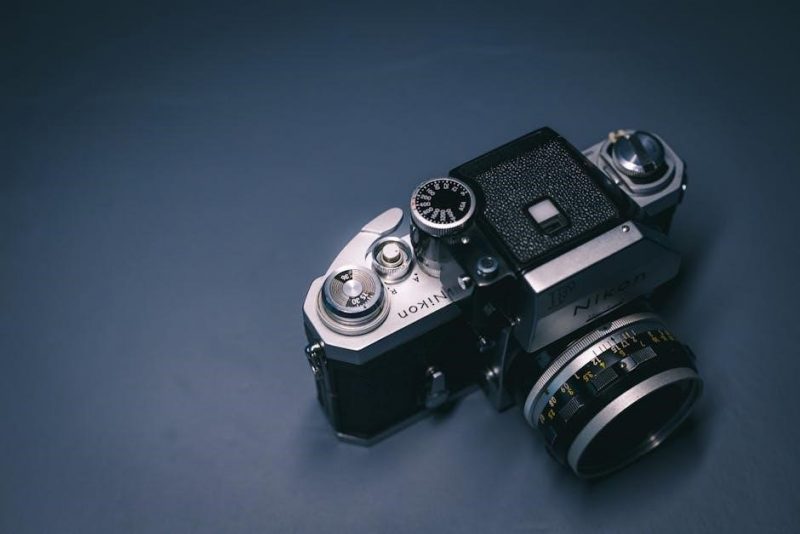
nikon coolpix manual
Lost your Nikon Coolpix manual? Find free, downloadable PDF manuals for all Coolpix models right here! Get back to snapping amazing photos fast. ✨
Nikon Coolpix Manual: A Comprehensive Guide
Navigating the Nikon Coolpix ecosystem requires a detailed manual, especially considering recent issues like dead batteries in refurbished Z9 cameras․
Understanding compatibility – like AF-S lenses with D40 models – is crucial, alongside exploring features from the 1960s․
The Nikon Coolpix series represents a long-standing commitment to accessible photography, evolving significantly since the lens evaluation criteria shifts of the 1960s․ From early models to the latest iterations like the Z9, Coolpix cameras offer diverse features․
Understanding compatibility – such as AF-S lenses with the D40 – is key․ Recent reports of battery issues in refurbished models highlight the need for comprehensive guidance, ensuring users maximize their Coolpix experience․
Understanding Your Coolpix Model
Identifying your specific Coolpix model is the first step to unlocking its full potential․ Nikon’s range is vast, with variations in features and specifications․ Issues like focus shift in older lenses (e․g․, 50mm f/1․4) demonstrate the importance of model-specific knowledge․
Knowing your camera’s capabilities, and potential quirks, ensures optimal performance and troubleshooting, especially with newer Z series cameras․
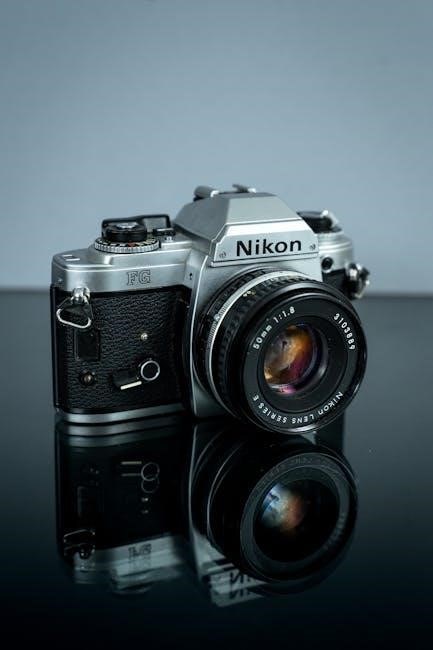
Identifying Your Specific Coolpix Model Number
Locating your Coolpix model number is essential for accessing the correct manual and support resources․ It’s typically found on a label on the camera’s bottom or inside the battery compartment․ This number differentiates between variations, impacting lens compatibility (like AF-S with D40) and feature sets․ Accurate identification avoids confusion and ensures proper troubleshooting․
Key Features and Specifications by Model
Coolpix models vary significantly in features; some prioritize zoom range (like the absent wider zooms in Z mount), while others focus on low-light performance (f/1․8 vs․ f/1․4 lenses)․ Specifications include megapixel count, zoom capabilities, and video resolution․ Understanding these differences—and potential issues like focus shift—guides optimal usage and informed purchasing decisions․
Getting Started: Initial Setup
Initial setup is vital for a smooth experience․ Begin by inserting batteries and a compatible memory card․ Powering on reveals initial configuration options – date, time, and language․ Be aware of potential battery issues, as reported with refurbished Z9 cameras, requiring immediate testing upon unboxing to ensure functionality․
Inserting Batteries and Memory Cards
Proper insertion ensures reliable operation․ Locate the battery compartment and insert batteries according to the polarity markings․ Similarly, insert the memory card – typically SD or microSD – until it clicks into place․ Recent reports highlight battery issues; verify functionality immediately after insertion, as seen with some refurbished Z9 units․
Powering On and Initial Configuration
Press the power button to initiate startup․ The Coolpix will prompt for language, date, and time settings․ Ensure accurate configuration for correct image timestamps․ Be mindful of potential display issues, as reported with some Z9 cameras upon arrival; a functioning display is vital for initial setup completion․
Basic Camera Operations
Mastering core functions unlocks the Coolpix’s potential․ Explore Auto mode for simplicity, then venture into Scene modes for tailored results․ For advanced control, utilize Manual mode, remembering potential focus shifts observed in older Nikon lenses like the 50mm f/1․4, requiring careful adjustment․
Shooting Modes: Auto, Scene, and Manual
The Coolpix offers versatile shooting options․ Auto mode simplifies picture-taking, while Scene modes optimize settings for specific situations․ Manual mode grants full control, though be mindful of potential focus inaccuracies, as seen with some Nikon lenses, necessitating fine-tuning for optimal sharpness at varying apertures․
Focusing Techniques: Auto and Manual Focus
Coolpix cameras employ both auto and manual focusing systems․ Auto focus is convenient, but older lenses, like some Nikon 50mm variants, can exhibit focus shift, requiring adjustments․ Manual focus provides precision, especially when auto-focus struggles or for creative control, ensuring sharpness despite potential lens quirks․
Navigating the Menu System
The Coolpix menu system organizes settings into logical categories for ease of use․ While initially puzzling to newcomers, understanding its structure is key to customization․ Nikon’s interface, though sometimes complex, allows fine-tuning of features, mirroring the evolution of photographic criteria since the 1960s․
Understanding Menu Categories

Coolpix menus are divided into sections like Shooting, Flash, and Setup․ These categories streamline adjustments, though Nikon’s system can feel complex to those unfamiliar with the brand․ Compatibility considerations, such as AF-S lens usage on D40 models, influence available options within each category, demanding careful exploration․
Customizing Camera Settings
Personalize your Coolpix by adjusting settings within the menu․ Focus fine-tuning, crucial for lenses like the 50mm f/1․4, impacts image sharpness․ Explore options for flash intensity and white balance․ Remember, older lenses may require adjustments for optimal performance, mirroring the evolution of photographic criteria since the 1960s․
Understanding Image Quality Settings
Mastering image quality begins with resolution and file formats․ Choose between JPEG for convenience or RAW for editing flexibility․ Consider how settings impact file size and detail․ Like evaluating lenses since the 1960s, criteria evolve; higher resolution isn’t always superior, depending on your needs and intended use․
Resolution and Image Size
Resolution, measured in megapixels, dictates image detail․ Higher resolutions create larger files, suitable for prints or cropping․ Conversely, lower resolutions conserve storage space․ Like the focus shift observed in some Nikon lenses, optimal settings depend on the situation – prioritize detail or efficiency based on your photographic goals․
File Formats: JPEG vs․ RAW
JPEG offers convenience with compressed files, ready for sharing, but loses data․ RAW captures all sensor data, providing maximum editing flexibility – akin to fine-tuning focus for optimal results․ Like the evolution of lens evaluation criteria, choosing a format depends on your post-processing needs and desired image quality․
Zoom and Image Stabilization
Nikon Coolpix cameras utilize both optical and digital zoom; optical preserves image quality, while digital interpolates pixels․ Image stabilization combats blur, crucial when using zoom, especially given the limited wider zoom options currently available in the Z mount system․ Stable shots enhance clarity, mirroring reliable lens performance․
Optical vs․ Digital Zoom
Optical zoom utilizes the lens’s physical focal length for magnification, maintaining image integrity․ Conversely, digital zoom crops and enlarges the image, potentially reducing quality․ While convenient, digital zoom isn’t a substitute for optical zoom’s clarity․ Understanding this distinction is vital for achieving sharp, detailed photographs with your Coolpix․
Utilizing Image Stabilization Features
Nikon Coolpix cameras often feature image stabilization to minimize blur caused by camera shake․ This is particularly useful in low-light conditions or when using higher zoom levels․ Explore your model’s settings to activate this feature, ensuring sharper images and smoother video recordings․ Proper use enhances overall image quality significantly․
Flash Photography
The Nikon Coolpix offers versatile flash modes – Auto, Fill-Flash, and Red-Eye Reduction – to enhance your photos in various lighting scenarios; Experiment with these settings to achieve optimal results․ Consider external flashes like Yongnuo for cost-effective alternatives to Nikon’s speedlights, offering comparable performance and features․
Flash Modes: Auto, Fill-Flash, Red-Eye Reduction
Auto flash intelligently determines when flash is needed, while Fill-Flash brightens subjects in harsh sunlight․ Red-Eye Reduction minimizes the red-eye effect in portraits․ Understanding these modes is key to better photos․ Remember, Nikon speedlights, though pricier, offer reliable performance, but Yongnuo provides viable alternatives․
Adjusting Flash Intensity
Fine-tuning flash intensity allows for creative control over your images․ Lowering intensity softens shadows, while increasing it provides more illumination․ Consider that older lenses, like the 50mm f/1․4, may require focus adjustments for optimal results at varying intensities․ Experiment to achieve the desired effect!

Video Recording
The Nikon Coolpix offers versatile video capabilities, with options for different resolutions and frame rates․ Ensure stable footage by utilizing the camera’s image stabilization features․ Audio recording quality is also adjustable; consider external microphones for enhanced sound․ Remember recent Nikon issues, like battery failures, may impact recording time․

Video Resolution and Frame Rates
Nikon Coolpix cameras typically support various video resolutions, including 1080p Full HD and potentially 4K depending on the model․ Frame rates commonly offered are 24fps, 30fps, and 60fps, influencing video smoothness․ Higher frame rates are ideal for action, while lower rates suit cinematic looks․ Battery life, as noted with the Z9, impacts recording duration․
Audio Recording Options
Coolpix cameras generally feature built-in microphones for video audio, though external microphone compatibility varies by model․ Users can often adjust audio recording levels for optimal sound quality․ Considering Yongnuo flash systems demonstrate cost-effective alternatives, similar external audio solutions exist․ Ensure sufficient battery power, as experienced with the Z9, for extended recording․
Connectivity and Transferring Images

Nikon Coolpix cameras offer several methods for image transfer․ Standard USB connectivity allows direct connection to computers, while many models support wireless transfer via Wi-Fi or Bluetooth․ Addressing potential issues, like those seen with the Z9’s initial setup, ensure proper cable connections or network configurations for seamless data transfer․
Connecting to a Computer via USB
Utilizing a USB cable, connect your Nikon Coolpix to a computer․ Ensure the camera is powered on and set to ‘USB Connection’ mode within the settings․ The computer should recognize the camera as a removable drive, allowing direct file transfer․ Troubleshooting may involve checking cable integrity or updating drivers, mirroring solutions for Z9 issues․
Wireless Transfer Options (Wi-Fi, Bluetooth)
Modern Coolpix models offer Wi-Fi and Bluetooth for wireless image transfer․ Download the Nikon SnapBridge app to your smartphone or tablet․ Pair the devices, and configure auto-transfer settings․ Consider Yongnuo flash systems as alternatives if Nikon speedlights prove costly, reflecting a broader trend of adaptable photographic solutions․
Troubleshooting Common Issues
Encountering problems? A dead battery, as reported with refurbished Z9 cameras, is a primary concern – ensure proper charging․ Memory card errors can occur; verify card compatibility․ Focus issues, like those with 50mm lenses, may require AF fine-tuning․ Consult Nikon’s support website for further assistance and solutions․
Battery Problems and Solutions
Experiencing battery issues? Recent reports detail dead batteries in new Nikon Z9 cameras, indicating potential manufacturing defects․ First, confirm the charger (MH-33) functions correctly, observing the indicator light․ Try charging both in-camera and with the charger․ If problems persist, contact Nikon support immediately for a replacement․
Memory Card Errors
Encountering memory card issues? Ensure compatibility with your Coolpix model․ Corrupted cards can occur, so try reformatting (back up data first!)․ If errors persist, test with a different, known-good card; Consider the card’s speed class; slower cards may limit camera functions․ Contact Nikon support if problems continue․
Lens Care and Maintenance
Protecting your Coolpix lens is vital for image quality․ Regularly clean the lens surface with a microfiber cloth to remove dust and fingerprints․ Avoid harsh chemicals or abrasive materials․ Store your camera in a protective case when not in use, shielding it from damage and environmental factors․
Cleaning the Lens
Gentle cleaning preserves optimal image clarity․ Use a blower to remove loose particles, then a microfiber cloth in circular motions․ For stubborn smudges, apply lens cleaning fluid sparingly to the cloth, never directly to the lens․ Avoid excessive pressure, which can scratch the coating․ Regular cleaning prevents buildup․
Protecting the Lens from Damage
Safeguarding your Coolpix lens is vital for longevity․ Employ a lens cap when not in use, and consider a protective filter for added security against scratches and impacts․ Avoid touching the lens surface with fingers․ Store the camera in a padded case, shielding it from dust and extreme temperatures․
Advanced Features and Techniques
Unlock your Coolpix’s full potential with creative exploration! Master scene modes for varied conditions, and experiment with built-in filters to achieve unique artistic effects․ Consider Yongnuo flashes for cost-effective lighting solutions, bypassing expensive Nikon speedlights․ Fine-tune autofocus for optimal sharpness, addressing potential focus shift issues․
Using Scene Modes Effectively
Nikon Coolpix scene modes simplify complex settings for optimal results․ Leverage these presets for landscapes, portraits, sports, and night scenes․ Remember that even with auto settings, understanding the scene mode’s impact on exposure and focus is key․ Explore how these modes adapt to varying conditions, enhancing your photography․
Exploring Creative Filters
Nikon Coolpix cameras offer a range of creative filters to instantly transform your images․ Experiment with options like Vivid, Pop, and Nostalgia to achieve unique artistic effects․ These filters provide a quick way to enhance mood and style, though understanding their impact on image quality is vital for optimal results․
Resources and Support
For comprehensive assistance, Nikon’s official support website is an invaluable resource․ Beyond that, numerous online forums and communities dedicated to Nikon photography offer troubleshooting advice and shared experiences․ These platforms can help resolve issues like battery problems or memory card errors, fostering a collaborative learning environment․
Nikon’s Official Support Website
Nikon’s official website provides direct access to downloadable manuals, FAQs, and troubleshooting guides specifically for your Coolpix model․ It’s the primary source for firmware updates, ensuring optimal camera performance․ Users can also find contact information for direct support, addressing concerns about issues like malfunctioning batteries or lens compatibility․
Online Forums and Communities
Numerous online forums and communities dedicated to Nikon photography offer valuable peer-to-peer support for Coolpix users․ These platforms are excellent for discussing specific model quirks, troubleshooting errors (like memory card issues), and sharing advanced techniques․ Experienced users often provide insights beyond the official manual, aiding in lens selection and focus adjustments․