
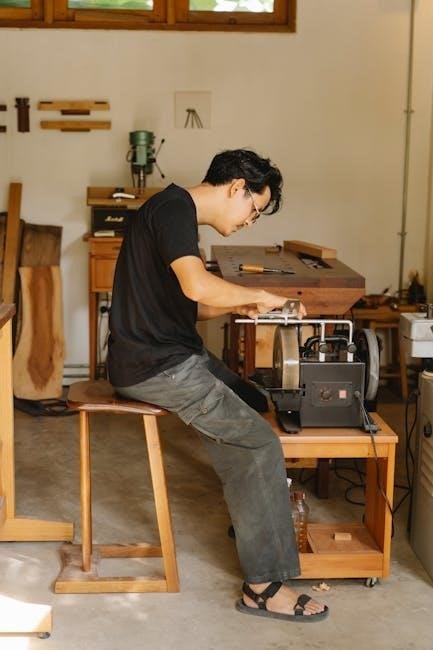
manual moulding machine
Need help with your manual moulding machine? We've got the manuals you're looking for! Download & troubleshoot easily. Your go-to resource for **manual moulding machine** info.
Manual Moulding Machine: A Comprehensive Overview (12/22/2025 06:35:55)
Manual moulding machines, vital for prototyping and low-volume runs, utilize operator force for injection; they range from
simple hand-operated models to benchtop versions, offering cost-effective plastic component production.
Manual injection moulding machines represent a foundational technology in plastics processing, offering a hands-on approach to shaping molten materials. These machines distinguish themselves by relying heavily on the operator’s physical effort to drive the injection process, contrasting with the automated systems prevalent in high-volume manufacturing. Historically, they served as the primary method for plastic part creation before the advent of sophisticated, computer-controlled machinery.
Today, manual machines retain relevance for prototyping, small-scale production, and educational settings. Their simplicity allows for quick mold changes and experimentation, making them ideal for customized designs and limited production runs. They are often employed where automation isn’t economically justifiable or when specialized, intricate parts are required; Understanding their operation is crucial for anyone involved in plastics engineering or manufacturing.
Historical Development of Manual Injection Moulding
The origins of manual injection moulding trace back to the late 19th and early 20th centuries, coinciding with the initial commercialization of plastics like Bakelite. Early iterations were rudimentary, often involving hand-operated plungers to force molten material into simple molds. These pioneering machines were largely bespoke, crafted to meet specific production needs.
Post-World War II, demand for plastic products surged, driving refinements in manual machine design. While automation began to emerge, manual machines remained dominant for many applications due to their lower cost and accessibility. Throughout the mid-20th century, improvements focused on enhancing clamping force and injection control. Even with the rise of automated systems, manual machines continue to be utilized, particularly in niche applications and educational contexts, representing a vital link to the origins of plastics processing.
Components of a Manual Moulding Machine
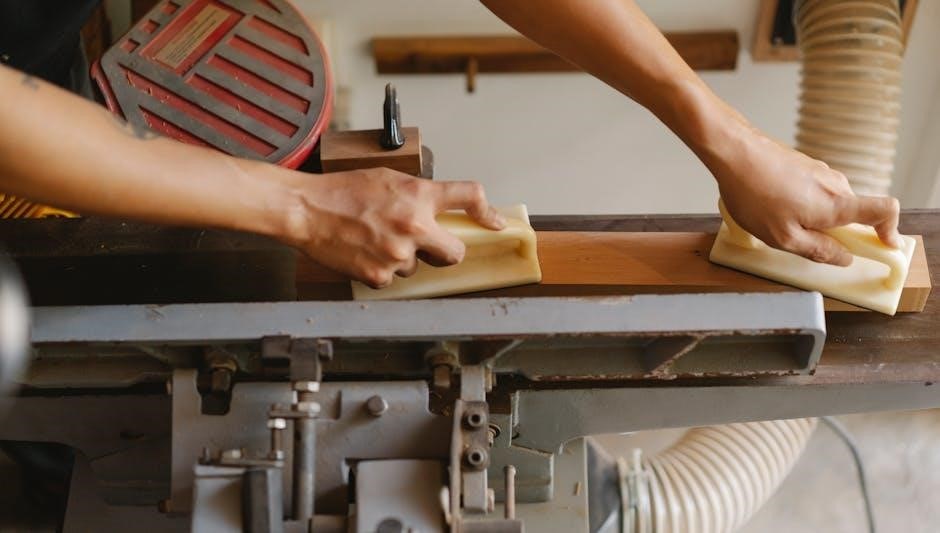
Key components include the mould (defining part shape), injection unit (barrel, screw, nozzle), clamping unit (platens, tie bars), and a manual or hydraulic power source.
Mould Design and Materials
Mould design is paramount in manual injection moulding, directly influencing part quality and production efficiency. Considerations include gating systems – how material enters the mould – and venting, allowing air to escape.
The mould itself is typically constructed from tool steels, chosen for their hardness, wear resistance, and thermal conductivity. Aluminium moulds are suitable for shorter production runs due to their lower cost and easier machinability.
Material selection depends on the desired part properties and production volume. Complex geometries often necessitate multi-part moulds, increasing manufacturing costs. Proper mould maintenance, including cleaning and lubrication, is crucial for extending its lifespan and ensuring consistent part production. The material of the mould must align with the moulding machine’s capabilities.
Injection Unit: Barrel, Screw & Nozzle
The injection unit in a manual machine comprises three key components: the barrel, screw, and nozzle. The barrel, a heated cylinder, houses the plastic material. The screw, rotating within the barrel, serves a dual purpose – conveying the plastic forward and applying pressure for melting and homogenization. Manual operation requires the operator to physically rotate the screw, controlling the injection rate.
The nozzle, positioned at the barrel’s end, directs the molten plastic into the mould’s sprue. Maintaining consistent temperature control within the barrel is vital for optimal material flow. The screw’s design – its length and compression ratio – impacts processing efficiency. Proper alignment between the nozzle and sprue is essential to prevent leakage and ensure a clean fill.
Clamping Unit: Platens and Tie Bars
The clamping unit securely holds the mould halves together during the injection process. It primarily consists of platens – large, flat steel plates – and robust tie bars. Manual machines typically employ manual clamps, requiring the operator to physically tighten and secure both mould halves onto the platens. Precise alignment is crucial to prevent flash and ensure part accuracy.
Tie bars, positioned vertically, withstand the substantial clamping forces. The clamping force must exceed the injection pressure to prevent mould opening during material injection. The strength and rigidity of the platens and tie bars directly influence the machine’s capacity and the size of moulds it can accommodate. Regular inspection of these components is vital for safe operation.
Hydraulic System in Manual Machines
While often simpler than in automated systems, hydraulic systems in manual injection moulding machines provide the necessary force for clamping and injection. These systems utilize a hand-operated pump to generate hydraulic pressure, stored within an accumulator. This pressurized fluid then drives the injection ram and clamping mechanism.
Electro-hydraulic hybrid systems are also found, combining manual operation with electric control for enhanced precision. The hydraulic fluid transmits force to the injection unit, forcing molten plastic into the mould. Maintaining hydraulic fluid levels and regularly inspecting hoses and seals are crucial for optimal performance and preventing leaks. Proper maintenance ensures consistent clamping and injection pressures.

The Manual Injection Moulding Process
Manual injection moulding involves preparing material, manually loading it, operating the injection cycle, cooling the part, and finally, ejecting the finished component from the mould.
Material Preparation and Loading
Material preparation for manual injection moulding is a crucial initial step, demanding careful attention to detail. Typically, plastic resins, often in pellet form, require drying to eliminate moisture which can cause defects. This drying process is usually achieved using a desiccant dryer or a dedicated resin dryer, ensuring optimal material consistency.
Once dried, the material is then manually loaded into the hopper of the manual moulding machine. The hopper feeds directly into the barrel, where the plastic is gradually melted by a heating element. Precise control over the heating profile is essential to prevent degradation or incomplete melting. Operators must carefully monitor the material level in the hopper, consistently replenishing it to maintain a continuous injection cycle. Proper material handling prevents contamination and ensures consistent part quality throughout the production run.
Injection Cycle: Step-by-Step Guide

The manual injection moulding cycle begins with clamping – securing the mould halves tightly within the machine. Next, the operator initiates the injection phase, manually forcing molten plastic from the barrel into the mould cavity via a plunger or screw. Maintaining consistent pressure and speed is vital.
Following injection, a holding pressure is applied to compensate for material shrinkage during cooling. The cooling stage allows the plastic to solidify, dictated by the material’s properties and mould temperature. Finally, the ejection phase, also manually operated, releases the finished part. Each step requires skilled operator control, influencing part quality and cycle time. Repeating these steps yields consistent production.
Cooling and Ejection of Moulded Parts
Cooling is a critical phase in manual injection moulding, allowing the plastic to solidify within the mould cavity. Sufficient cooling time depends on material type, part thickness, and mould temperature – often relying on ambient air or simple cooling methods. Insufficient cooling leads to warping or defects.
Once solidified, ejection is performed manually, utilizing ejector pins or plates to release the part from the mould. Careful operation prevents damage to both the part and the mould. Skilled operators ensure clean removal, minimizing stress and maintaining dimensional accuracy. Post-ejection, parts may require deflashing or finishing before use, completing the cycle.
Types of Manual Moulding Machines
Manual machines vary from simple hand-operated units to benchtop models and small specialized machines, each suited for specific production needs and volumes.
Hand-Operated Injection Moulding Machines
Hand-operated injection moulding machines represent the most basic form of this technology, relying entirely on manual force to drive the injection process. These machines typically feature a simple lever mechanism that the operator uses to push the plasticized material into the mould cavity.
Often constructed with manual clamps securing the mould halves to the platens, they demand significant operator skill and physical effort. While offering minimal automation, these machines are incredibly cost-effective for very low-volume production, prototyping, or educational purposes.
They are ideal for small, simple parts where precision isn’t paramount and the production rate is not a critical factor. The simplicity of their design also makes them easy to maintain and repair, further contributing to their appeal in resource-constrained environments.
Benchtop Manual Injection Moulding Machines
Benchtop manual injection moulding machines offer a step up in capability from purely hand-operated models, providing a more controlled and repeatable injection process. Designed for laboratory or small-scale workshop use, these compact machines typically incorporate a hand-powered screw mechanism for injecting the molten plastic.
They often feature a small hydraulic system to assist with clamping force, enhancing mould closure and part quality. While still requiring manual operation for key steps, benchtop machines offer improved precision and reduced operator fatigue compared to fully manual options.
These are frequently utilized for prototyping, research and development, and producing limited runs of small plastic components, offering a balance between affordability and functionality.
Small Injection Moulding Machines for Specific Applications
Small injection moulding machines cater to niche manufacturing needs, often focusing on specialized materials or component geometries. These machines, including those handling PET materials with features like intelligent moulding lines for automotive lightweighting, demonstrate adaptability.
Applications range from adding soft-touch finishes to knobs to producing components requiring precise material control. Machines with electro-hydraulic hybrid systems offer enhanced performance. Manual hand moulding machines remain relevant for simple tasks.
These compact systems are ideal for producing small batches, customized parts, or components where automation isn’t economically viable, offering targeted solutions for diverse industries.
Applications and Industries
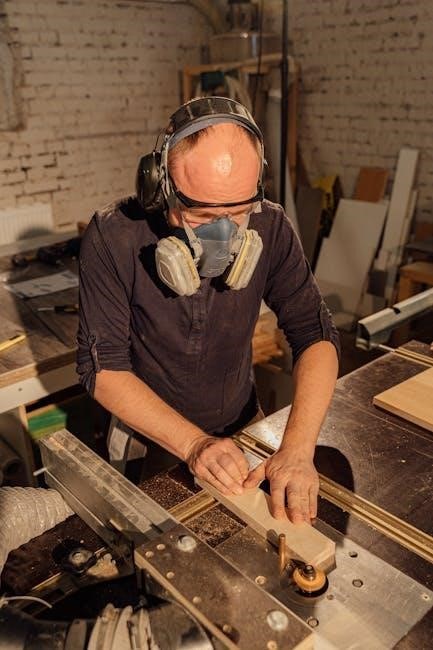
Manual moulding machines excel in prototyping, educational settings, research, and the production of small plastic components, offering flexibility for diverse industrial needs.
Prototyping and Low-Volume Production
Manual injection moulding machines are exceptionally well-suited for prototyping new plastic parts and facilitating low-volume production runs. Their inherent flexibility allows for rapid iteration of designs without the substantial investment required for automated systems. This makes them ideal for testing market viability and refining product specifications before committing to large-scale manufacturing.
The cost-effectiveness of manual machines further enhances their appeal for small batches, where the expense of tooling and setup can be quickly offset by the reduced machine costs. Businesses and researchers can efficiently create customized molds and produce limited quantities of specialized components, catering to niche markets or specific project requirements. This capability bridges the gap between initial concept and full-scale production, offering a practical solution for diverse manufacturing needs.

Educational and Research Purposes
Manual injection moulding machines serve as invaluable tools within educational institutions and research laboratories. They provide students and researchers with a hands-on understanding of the plastic injection moulding process, encompassing material science, mould design, and process control. Unlike automated systems, manual machines allow for direct observation and manipulation of each stage, fostering a deeper comprehension of the underlying principles.
These machines facilitate experimentation with different materials, mould configurations, and process parameters, enabling research into novel polymers and moulding techniques. The relatively low cost and simplified operation make them accessible for academic budgets and student projects. This practical experience is crucial for developing skilled engineers and scientists prepared for careers in the plastics industry and related fields.
Manufacturing of Small Plastic Components
Manual moulding machines excel in the production of small, intricate plastic components where high volumes aren’t required. They are particularly suited for manufacturing parts like knobs with soft-touch overlays, or specialized components for lightweight automobile applications, demonstrating versatility. Businesses benefit from their ability to quickly adapt to changing designs without substantial retooling costs associated with larger, automated systems.
These machines are ideal for creating prototypes, testing designs, and fulfilling niche market demands. The ability to produce parts in limited quantities makes them a cost-effective solution for specialized applications. While production rates are lower, the precision and control offered by manual operation ensure high-quality results for these smaller-scale manufacturing needs.
Advantages and Disadvantages
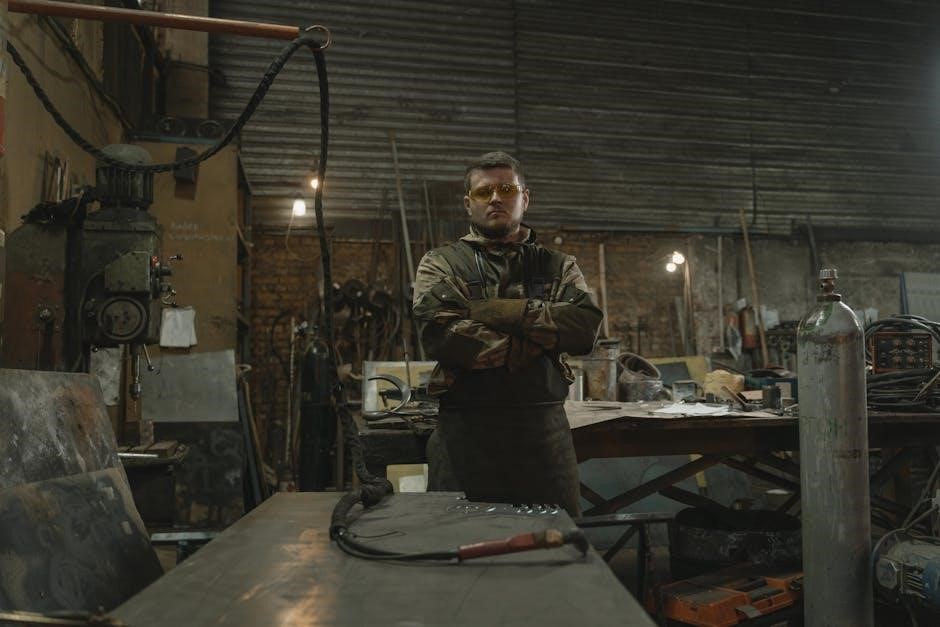
Manual machines offer cost-effectiveness and design flexibility, but suffer from limited production capacity and require skilled operators for consistent, safe operation.
Cost-Effectiveness of Manual Machines
Manual moulding machines represent a significantly lower initial investment compared to their automated counterparts, making them exceptionally appealing for startups, educational institutions, and small-scale production environments. The reduced complexity translates directly into lower purchase prices, and ongoing operational costs are also minimized due to decreased energy consumption and simpler maintenance requirements.
Furthermore, the absence of sophisticated control systems and automation features reduces the need for specialized training, lowering labor costs. This affordability extends to tooling; manual machines often accommodate simpler, less expensive mould designs. For prototyping or producing limited quantities of parts, the cost-benefit ratio of a manual machine is often far superior to that of a fully automated system, providing a viable pathway to bring ideas to fruition without substantial capital expenditure.
Limitations in Production Capacity and Complexity

Manual moulding machines inherently possess limitations in production capacity due to their reliance on operator intervention for each injection cycle. This manual operation significantly restricts output compared to automated systems, making them unsuitable for high-volume manufacturing. Furthermore, complex part geometries or intricate mould designs present considerable challenges.
Maintaining consistent quality across larger production runs can be difficult, as variations in operator technique can impact the final product. The physical exertion required also limits sustained production periods. Consequently, manual machines are best suited for simpler parts and smaller batches where speed and automation aren’t paramount, and operator skill is crucial for achieving acceptable results.
Safety Considerations and Operator Skill Requirements
Manual moulding machines demand a heightened awareness of safety protocols due to the direct operator involvement with heated components and pressurized materials. Potential hazards include burns from the hot barrel and mould, and injuries from moving parts during the injection and clamping processes. Proper personal protective equipment (PPE), such as heat-resistant gloves and safety glasses, is essential.
Significant operator skill is required to consistently produce quality parts. This includes precise material preparation, accurate pressure control, and adeptness at recognizing and addressing process deviations. Thorough training on machine operation, emergency procedures, and mould handling is paramount to prevent accidents and ensure safe, efficient production.