

quince size guide
Struggling with quince sizing? Our comprehensive guide takes the guesswork out of finding clothes that *actually* fit! Charts, tips & more – shop with confidence! ✨ **Quince Size Guide**
Quince Size Guide: A Comprehensive Overview (Updated 12/22/2025)
Today’s date is 12/22/2025․ This guide explores quince dimensions, weight, and variety differences, impacting cooking and preserving—from jam to membrillo․
What is a Quince?
Quince (Cydonia oblonga) is a pome fruit, often described as resembling a cross between an apple and a pear, though harder and more aromatic․ Unlike its smoother relatives, quinces are typically yellowish and have a rough, fuzzy texture․ Historically significant and artistically represented, they’re not commonly eaten raw due to their astringency and hardness․
These knobbly fruits, often overlooked, possess a unique, intensely fragrant aroma—a blend of tropical vanilla bean, guava, jasmine, and pear․ Sylvia Inwood’s mother used them for still-life paintings, valuing their vibrant yellow color and irregular shape․ Preparing quince is a labor of love, but yields rewarding results in jams, jellies, and the traditional membrillo (quince paste)․ Their size varies considerably by variety and growing conditions, a key focus of this guide․

Quince Varieties and Their Size Differences
Quince varieties exhibit significant size variations․ ‘Smyrna,’ ‘Pineapple,’ ‘Aromatnaya,’ and ‘Portugal’ are among the most popular, each with distinct characteristics․ While a general average exists, individual fruit size is heavily influenced by factors beyond genetics․ ‘Portugal’ quinces, for example, are known for being larger and more consistently sized than some other varieties․
Understanding these differences is crucial for culinary applications․ Larger quinces, like those from the ‘Portugal’ type, may be preferable for making large batches of membrillo․ Smaller, intensely aromatic varieties, such as ‘Aromatnaya,’ might be ideal for jellies where concentrated flavor is paramount․ This guide will detail the typical size ranges for each prominent variety, aiding in informed selection for your specific needs․
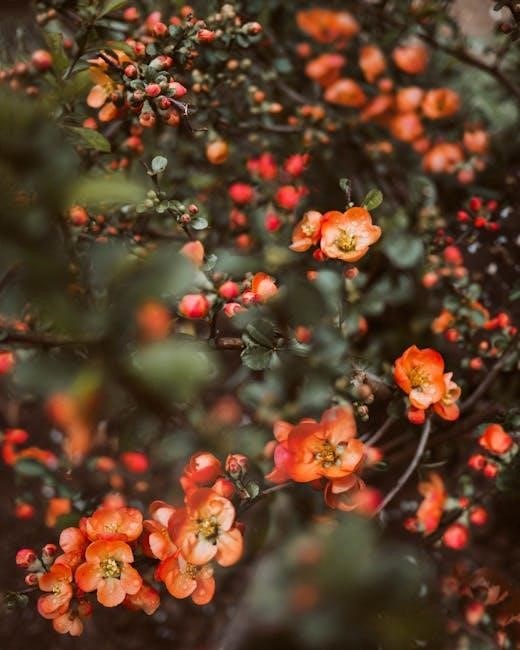
Average Quince Size: Weight and Dimensions
Generally, a mature quince ranges from 7 to 12 centimeters (2․8 to 4․7 inches) in diameter․ Weight can vary considerably, but typically falls between 150 to 300 grams (5․3 to 10․6 ounces)․ However, these are averages; larger ‘Portugal’ quinces can exceed 300 grams, while smaller varieties may be closer to 100 grams․
The shape is often irregular, resembling a cross between an apple and a pear – rarely perfectly round․ Dimensions are not standardized, contributing to the weight variation․ Assessing size isn’t solely about weight; the fruit’s density also plays a role․ Understanding these typical ranges provides a baseline for evaluating individual quinces and predicting yield for preserves․
Factors Influencing Quince Size
Several key elements dictate the ultimate size of a quince․ Climate and growing conditions are paramount; sufficient sunlight, adequate rainfall, and well-drained soil are crucial․ Tree age and rootstock also play a significant role, with mature trees generally producing larger fruit․
Furthermore, successful pollination and fruit set are essential․ Insufficient pollination leads to smaller, fewer quinces․ The health of the tree, nutrient availability, and pruning practices all contribute․ Even seasonal variations can impact size – a particularly warm, sunny summer might yield larger fruit than a cooler, wetter one․ These interconnected factors determine the potential size of each quince․
Climate and Growing Conditions
Quince trees thrive in temperate climates with warm, dry summers and mild, wet winters․ They require substantial sunlight – at least six to eight hours daily – for optimal growth and fruit development․ Well-drained soil is critical, as quinces are susceptible to root rot in soggy conditions․
Adequate rainfall is necessary, particularly during the growing season, but excessive moisture can be detrimental․ Protection from strong winds is also beneficial, as they can damage blossoms and developing fruit․ The ideal temperature range for quince cultivation is between 60°F and 80°F (15°C and 27°C), influencing both size and quality․
Tree Age and Rootstock
A quince tree’s age significantly impacts fruit size and yield․ Younger trees, typically within their first three to five years, produce smaller fruit as they establish their root systems and allocate energy to vegetative growth․ As the tree matures – beyond seven years – fruit size generally increases, reaching peak production around 10-15 years․
The chosen rootstock also plays a crucial role․ Dwarfing rootstocks restrict tree size, resulting in earlier fruiting but potentially smaller quinces․ Vigorous rootstocks promote larger trees and larger fruit, though fruiting may be delayed․ Selecting the appropriate rootstock is vital for managing orchard space and desired fruit characteristics․
Pollination and Fruit Set
Successful pollination is paramount for optimal quince size and quantity․ Quince trees are generally not self-pollinating, requiring cross-pollination from a different quince variety․ Insufficient pollination leads to poor fruit set – fewer quinces developing – and smaller individual fruits due to limited resource allocation․
Bee activity is crucial during the flowering period․ Factors like weather conditions (rain, wind) can hinder bee flight and pollination․ Ensuring adequate pollinator presence, potentially through managed beehives, enhances fruit set․ A good fruit set, where a high percentage of flowers develop into quinces, directly correlates with larger, well-developed fruit at harvest․

Quince Size by Variety
Quince varieties exhibit significant size differences․ ‘Smyrna’ quinces are known for being larger, often exceeding 8 ounces, and are favored for processing․ ‘Pineapple’ quinces, despite their name, are typically medium-sized, averaging 6-7 ounces, with a distinct aroma․ ‘Aromatnaya’ tends towards smaller fruit, around 4-5 ounces, prized for intense fragrance․
‘Portugal’ quinces represent a common, medium-to-large size, generally 7-9 ounces․ These variations impact culinary uses; larger quinces are better for slicing and stewing, while smaller ones excel in jams and jellies․ Understanding these size distinctions helps select the appropriate variety for desired recipes and preserves․
‘Smyrna’ Quince Size
‘Smyrna’ quinces are consistently among the largest varieties available․ Typically, a ‘Smyrna’ quince will weigh between 8 and 12 ounces, with some exceptional specimens exceeding a pound․ Their shape is often more rounded than pear-shaped, and they boast a vibrant golden-yellow hue when ripe․ This substantial size makes them ideal for applications where fruit presence is desired, such as poaching or creating impressive baked goods․

The larger volume also translates to a higher juice content, beneficial for making quince paste (membrillo) and other preserves․ Due to their size, fewer ‘Smyrna’ quinces are needed to yield a comparable amount of finished product compared to smaller varieties․
‘Pineapple’ Quince Size
The ‘Pineapple’ quince earns its name not from flavor, but from its distinctive shape and aroma․ These quinces are generally medium to large in size, averaging between 6 and 10 ounces in weight․ They exhibit a more elongated, pear-like form, often with subtle ribbing․ Their skin develops a beautiful golden-yellow color with a blush of pink or red when fully mature, adding to their visual appeal․
While slightly smaller than ‘Smyrna’ quinces, ‘Pineapple’ varieties still offer a generous yield of pulp and juice․ The unique aromatic profile—hints of guava, jasmine, and pear—intensifies with size, making larger fruits particularly prized for culinary use․ They are excellent for both sweet and savory preparations․
‘Aromatnaya’ Quince Size
‘Aromatnaya’ quinces, originating from Russia, are celebrated for their exceptional fragrance and flavor․ Typically, these quinces fall into the medium size range, weighing approximately 5 to 8 ounces․ They possess a classic quince shape – broadly pyriform (pear-shaped) – but often display a more symmetrical and refined form compared to other varieties․ The skin transitions from green to a vibrant golden-yellow as it ripens․
Despite their moderate size, ‘Aromatnaya’ quinces are incredibly aromatic, delivering a potent floral scent․ This intense aroma translates directly into the finished product, making them ideal for jams, jellies, and preserves where a strong quince flavor is desired․ Their size is well-suited for individual portions․
‘Portugal’ Quince Size
The ‘Portugal’ quince is arguably the most widely cultivated variety globally, known for its large size and robust flavor․ These quinces are substantial, frequently weighing between 8 and 12 ounces, and sometimes exceeding a pound․ They exhibit a distinctly asymmetrical, often lumpy, shape, differentiating them from the smoother ‘Aromatnaya’ variety․ Their color shifts from a bright green to a rich golden-yellow upon maturation․
Due to their larger size, ‘Portugal’ quinces require longer cooking times to achieve desired tenderness․ They are exceptionally well-suited for making membrillo (quince paste) due to their high pectin content and substantial flesh yield․ Their size also makes them excellent for poaching and baking, providing generous portions․
Measuring Quince Size: A Practical Guide
Accurately assessing quince size involves both weight and dimensions․ Utilize a kitchen scale to determine weight in ounces or grams – larger varieties like ‘Portugal’ typically range from 8-12 ounces․ For dimensional measurements, employ a ruler or calipers․ Measure the quince’s length (from stem to blossom end) and its widest diameter․ Record these measurements in inches or centimeters․
Note the irregular shape; average these measurements for a representative size․ Consistent recording allows tracking growth and comparing varieties․ This data is crucial for recipe scaling, especially when adapting traditional methods․ Remember, size isn’t solely indicative of maturity; firmness and aroma are equally important indicators․
Quince Size and Maturity: What to Look For
While size offers a clue, true quince maturity extends beyond dimensions․ A ripe quince transitions from bright green to a pale yellow hue․ Gently press near the stem; a slight give indicates readiness․ Crucially, assess the aroma – a fragrant, floral scent reminiscent of guava, jasmine, and pear signals peak ripeness․ Don’t rely solely on size; even larger quinces can be unyieldingly hard and tart if immature․
Consider the variety; ‘Smyrna’ and ‘Pineapple’ may reach different sizes at maturity․ A fully ripe quince will detach easily from the branch with a gentle twist․ Remember, quinces are notoriously hard when raw, requiring cooking to become palatable․
Using Quince Size for Cooking and Preserving
Quince size directly influences its culinary application․ Larger fruits are ideal for membrillo (quince paste), requiring substantial pulp․ Medium-sized quinces excel in jams and jellies, offering a balanced fruit-to-sugar ratio․ Smaller, intensely flavored quinces can be poached or stewed whole, retaining their shape․ Remember, all quinces benefit from cooking due to their inherent hardness and tartness․
Larger quinces yield more juice, perfect for vibrant jellies․ Smaller fruits may require additional pectin for setting․ The size also impacts cooking time; larger pieces need longer to soften․ Preparing quince is a labor of love, but the aromatic reward is well worth the effort!
Quince Size and Jam Making
Medium-sized quinces (roughly baseball-sized) are optimal for jam production․ They provide a good balance between pulp yield and manageable cooking time․ Larger quinces can be used, but may require longer simmering to achieve the desired consistency․ Smaller quinces, while intensely flavored, yield less pulp, potentially necessitating larger batches or combining with other fruits․
The fruit’s pectin content, crucial for jam setting, isn’t directly tied to size, but larger quinces generally contain more overall pectin․ Regardless of size, proper preparation – peeling, coring, and chopping – is essential․ Remember, quince jam benefits from a high sugar content to balance its tartness and achieve a beautiful, translucent finish․
Quince Size and Jelly Production
For clear, vibrant quince jelly, selecting uniformly ripe, medium-to-large sized fruits is beneficial․ These provide ample juice for extraction, crucial for achieving a good set․ While size doesn’t directly impact pectin levels, larger quinces generally yield more juice, simplifying the process․ Avoid overly ripe or bruised quinces, as these can cloud the jelly․
Jelly relies on strained juice, so the fruit’s texture is less critical than for jam․ However, larger quinces offer more usable pulp before straining․ A key step is ensuring thorough juice extraction through simmering and straining through muslin․ The resulting clear juice, combined with sugar, creates the classic quince jelly—a testament to the fruit’s aromatic intensity․
Quince Size and Paste/Membrillo
Creating membrillo, the classic Spanish quince paste, benefits significantly from larger, firm quinces․ Their substantial flesh content is essential for the long, slow cooking process required to achieve the dense, sliceable texture․ Smaller quinces, while usable, necessitate a greater quantity to yield a comparable amount of paste․
The fruit’s size influences cooking time; larger quinces require extended simmering to fully soften and break down․ A good membrillo relies on high pectin levels, naturally present in quinces, and larger fruits often contain a proportionally higher amount․ The resulting paste, a beautiful amber color, showcases the quince’s unique flavor—a labor of love well worth the effort․
Quince Size vs․ Other Fruits: A Comparison
Quinces generally exceed the size of many common fruits, though comparisons aren’t always straightforward due to variety differences․ Compared to apples, a typical quince—especially varieties like ‘Portugal’—is often larger and more irregularly shaped․ While an average apple might weigh around 150-200 grams, a quince can easily reach 200-300 grams or more․
Pears tend to be similar in size to quinces, but quinces are usually denser and harder․ Peaches are considerably smaller, averaging 100-150 grams․ The knobbly, sometimes asymmetrical form of a quince distinguishes it visually․ Considering its robust structure, a quince feels heavier than it looks, a key characteristic when assessing ripeness and suitability for various culinary uses․
Quince vs․ Apples
When directly comparing quinces to apples, size is a significant differentiator, though it varies by specific cultivar․ A standard apple typically weighs between 150 and 200 grams, offering a familiar handheld size․ However, many quince varieties, particularly ‘Portugal’ and ‘Smyrna’, frequently surpass this weight, reaching 200-300 grams or even more for exceptionally large specimens․
Beyond weight, quinces exhibit a more irregular, often pear-like shape, contrasting with the generally rounder form of apples․ The texture also differs; quinces are notably harder and denser․ This density contributes to the perception of greater weight․ Visually, the vibrant yellow hue of ripe quinces further distinguishes them from the broader color spectrum of apples․

Quince vs․ Pears
Comparing quinces to pears reveals subtle yet important size distinctions․ While both fruits share a similar pyriform (pear-shaped) silhouette, quinces generally present a more robust and compact build․ A typical pear averages around 178 grams, offering a sweet, juicy bite․ Quinces, however, often exceed this weight, commonly ranging from 200 to 350 grams, depending on the variety and growing conditions․
The texture is a key differentiator; pears are known for their softer, more granular flesh, while quinces are remarkably firm and dense, even when ripe․ This density contributes to the quince’s perceived heft․ Furthermore, quinces tend to be smaller in overall length compared to many pear varieties, presenting a wider, more rounded base․
Quince vs․ Peaches
A size comparison between quinces and peaches highlights significant differences in both weight and form․ Peaches, celebrated for their delicate sweetness, typically weigh between 130 and 170 grams, boasting a rounded shape with a distinct groove․ Quinces, conversely, are considerably heavier, frequently ranging from 200 to 350 grams, and exhibit a more irregular, often asymmetrical form․
Peaches are characterized by their fuzzy skin and relatively fragile structure, while quinces possess a tough, smooth rind and a dense, hard flesh․ This textural contrast directly impacts perceived size; a quince feels larger due to its solidity․ The average peach measures around 7-9 cm in diameter, whereas quinces can reach 8-12 cm, further emphasizing the size disparity․
The Impact of Quince Size on Flavor and Texture
Quince size profoundly influences both its flavor development and final texture when cooked․ Larger quinces generally contain a higher concentration of pectin, a natural thickening agent crucial for jams, jellies, and membrillo․ This results in firmer set preserves․ Smaller quinces, while still flavorful, may yield softer, less structured results․
The aromatic profile intensifies with size; larger fruits exhibit brighter floral notes of guava, jasmine, and pear․ The dense flesh of larger quinces requires longer cooking times to fully soften, allowing complex sugars to develop․ Conversely, smaller quinces cook faster, potentially retaining a slightly tart edge․ Ultimately, size dictates the balance between sweetness, tartness, and textural integrity․
Briar Jungle Build Guide (League of Legends Patch 25․24) ― Relevance to Fruit Size
The comparison to quince size highlights Briar’s engaging, yet fragile, nature․ Like a smaller, less-developed quince, Briar lacks inherent durability, necessitating a build focused on “life steal” and defensive stats․ Prioritizing offense without sufficient health mirrors using underripe quince – a tart, unsatisfying experience․
Optimal Briar builds, mirroring the need for pectin in quinces for structure, balance damage with survivability․ A “quince-sized” build emphasizes sustained fighting, avoiding overextension․ Analyzing millions of League of Legends matches reveals a 51․3% win rate for Briar, demonstrating the importance of balanced stats, much like a perfectly sized quince yields the best flavor․
Optimal Jungle Paths for Briar (and Quince-Sized Considerations)
Briar’s jungle pathing, like selecting quinces for preservation, requires strategic consideration․ Her low base durability demands efficient clearing, mirroring the need to process quinces quickly before they spoil․ Optimal routes prioritize early game scaling, avoiding prolonged engagements – akin to handling delicate, slightly unripe quinces․
Successful paths focus on securing early objectives and minimizing risky encounters; This parallels choosing quinces free from blemishes, ensuring a quality end product․ Counter-jungling, while tempting, risks overextension, similar to attempting to force ripen a hard quince․ Prioritize safe, consistent farm, building momentum like a well-structured quince preserve recipe․
Briar Build Runes and Items
Selecting runes and items for Briar, much like assessing quince for specific uses, demands a nuanced approach․ Given her low base durability, prioritizing defensive stats—life steal and armor—is crucial, mirroring the need to protect delicate quince during processing․ Lethality builds offer offensive power, but require careful balancing, similar to adjusting sugar levels in quince jam․
Runes should focus on sustain and damage amplification․ Itemization revolves around building tankiness while maintaining sufficient damage output․ This parallels choosing quinces based on size and firmness for different recipes – larger, firmer quinces for paste, smaller for jellies․ Adaptability is key, mirroring the versatility of quince in the kitchen․
Briar Skill Order
Prioritizing skills with Briar, like selecting quinces at peak ripeness, requires understanding their impact․ Maximizing her ‘Blood Frenzy’ (Q) early is vital for sustained damage and healing, akin to choosing quinces with vibrant color for optimal flavor․ Following this, enhancing ‘Restful Growth’ (W) provides crucial survivability, mirroring the protective skin of a ripe quince․
‘Crimson Curse’ (E) should be leveled strategically, balancing utility and damage․ This parallels the careful peeling and coring of quinces – a precise process․ Skill order adaptation is key, much like adjusting recipes based on quince size and variety․ Mastering this order maximizes Briar’s potential, just as proper quince preparation unlocks its culinary possibilities․
Briar Jungle Counters
Just as certain quince varieties resist bruising better than others, Briar faces specific jungle counter-picks․ Rammus, Trundle, and Jax present significant challenges, mirroring the difficulty of working with overly firm or damaged quinces․ These champions exploit Briar’s lower durability, similar to how improper quince handling can lead to spoilage․
Teemo also poses a threat, disrupting her engage potential – akin to pests affecting quince orchards․ Understanding these matchups is crucial, like recognizing optimal quince harvest times․ Adapting your strategy, much like adjusting a quince recipe based on fruit quality, is key to success․ Counter-picking effectively minimizes Briar’s weaknesses, ensuring a fruitful outcome․
Briar Jungle Win Rate and Tier (Emerald Rank)
Similar to how quince size impacts yield and usability, Briar’s performance in Emerald rank is quantifiable․ Currently, Briar Jungle boasts a 51․3% win rate with a 3․6% pick rate, placing her in A tier․ This data, derived from analyzing over 69,883 matches, reflects her viability – much like assessing a quince harvest’s potential based on fruit size and quality․

A win rate above 50% suggests a strong champion, comparable to a bountiful quince crop․ However, the pick rate indicates she isn’t overwhelmingly popular, perhaps due to her specific playstyle, mirroring the niche appeal of quince preserves․ Understanding these statistics aids strategic champion selection, just as knowing quince characteristics informs culinary choices․
Quince Aroma and Flavor Profile
Just as assessing a quince’s size hints at its maturity, its aroma reveals its flavor potential․ A ripe quince offers a strikingly bright and floral scent, reminiscent of tropical vanilla bean, guava, jasmine, and pear – a complex profile․ This captivating fragrance is a “siren call” for chefs, much like a perfectly sized quince attracts attention in an orchard․
The flavor, however, is tart and astringent when raw, requiring cooking to unlock its sweetness․ This transformation parallels how understanding quince characteristics—size, aroma—guides preparation․ Sylvia Inwood’s mother valued quinces visually, but the true reward lies in the cooked fruit’s aromatic depth, a testament to its unique qualities․
Historical and Artistic Significance of Quince
Throughout history, the quince has held cultural weight beyond its culinary uses, often linked to love and beauty․ While not always consumed directly, its aesthetic qualities were highly prized, as exemplified by Sylvia Inwood’s mother, who used quinces in still-life paintings for their vibrant yellow color and irregular shape․ This artistic appreciation reflects a long-standing recognition of the fruit’s unique form—its size and texture contributing to its visual appeal․
The quince’s presence in art suggests a symbolic value, perhaps representing refinement or a hidden sweetness, mirroring the transformation needed to enjoy its flavor․ Its historical significance underscores that appreciating a quince involves more than just its size; it’s about recognizing its cultural legacy․