

manual folding wheelchair
Need a manual folding wheelchair? ♿ Our guide simplifies everything – from choosing the right features to understanding maintenance. Get rolling with confidence!
Manual folding wheelchairs provide mobility solutions‚ offering adjustable features like removable arms and varying seat heights for user comfort.
These chairs balance functionality with portability‚ typically weighing between 35-43 pounds‚ and cater to diverse needs.
Standard models are affordable‚ while complex options offer extensive customization for optimal positioning and pressure management.
What is a Manual Folding Wheelchair?
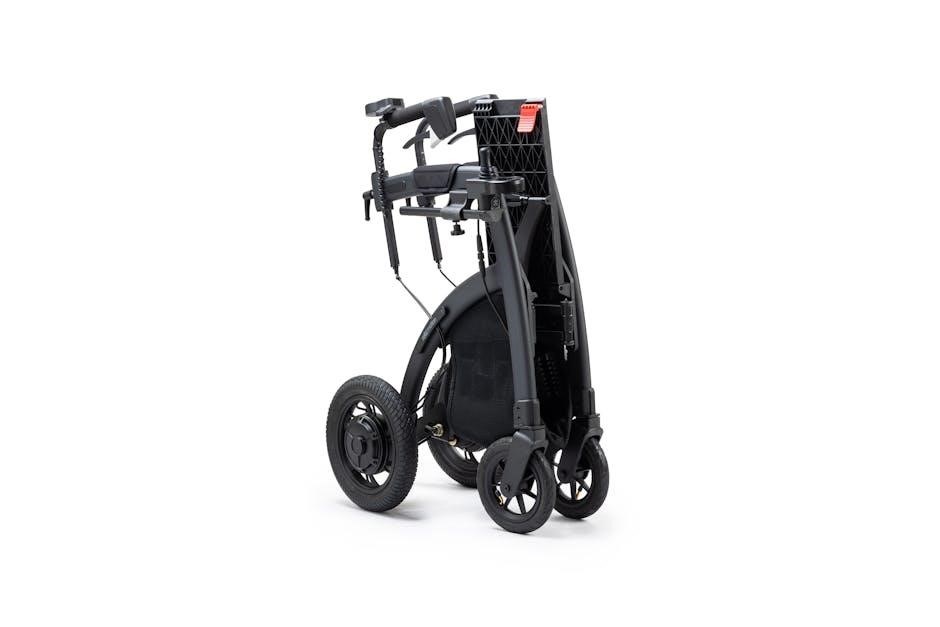
Manual folding wheelchairs are mobility devices propelled by the user or an attendant‚ distinguished by their ability to fold for convenient transport and storage.
Unlike powered wheelchairs‚ they rely on upper body strength for self-propulsion‚ utilizing handrims on the wheels.
These chairs come in various designs – standard‚ lightweight‚ heavy-duty‚ and tilt-in-space – each catering to different user needs and activity levels. They feature adjustable components like armrests and footrests‚ enhancing user comfort and functionality.
Folding mechanisms prioritize portability‚ making them suitable for travel and everyday use.
Benefits of Using a Manual Wheelchair
Manual wheelchairs offer numerous benefits‚ promoting independence and enhancing quality of life for individuals with mobility limitations.
They provide a cost-effective mobility solution compared to powered options‚ with standard models being particularly affordable.
Their folding design ensures easy transport and storage‚ facilitating travel and daily activities.
Self-propulsion strengthens upper body muscles‚ contributing to overall fitness. Customizable features‚ like adjustable heights and removable parts‚ maximize comfort and cater to individual needs.
Types of Manual Folding Wheelchairs
Manual folding wheelchairs vary from standard‚ lightweight‚ and heavy-duty models to tilt-in-space options‚ each designed for specific user needs and activity levels.
Standard Manual Wheelchairs
Standard manual wheelchairs represent a foundational mobility solution‚ generally being the most affordable option available. These chairs are built for durability and are suitable for users who require a reliable wheelchair without needing highly specialized features.
Typically featuring smaller rear wheels‚ around 30cm in diameter‚ they are best suited for indoor use and smooth‚ even surfaces.
While offering less customization than other types‚ standard models provide essential functionality for everyday mobility needs.
Lightweight Manual Wheelchairs
Lightweight manual wheelchairs prioritize portability and ease of maneuvering‚ typically weighing between 35-38 pounds. Constructed with lighter materials‚ often aluminum‚ they are ideal for users who need to frequently transport their wheelchair or self-propel over varied terrains.
These chairs offer a balance between durability and reduced weight‚ making them a practical choice for active individuals.
While potentially costing more than standard models‚ the added convenience is often worthwhile.
Heavy-Duty Manual Wheelchairs
Heavy-duty manual wheelchairs are engineered for users requiring increased support and durability. These chairs boast reinforced frames‚ typically constructed from steel‚ and higher weight capacities to accommodate individuals with larger builds or those needing substantial stability.
While heavier than standard or lightweight models‚ they provide enhanced robustness and longevity.
Features often include larger wheels and reinforced components‚ ensuring reliable performance and user safety.
Tilt-in-Space Manual Wheelchairs
Tilt-in-space manual wheelchairs offer a unique feature: the ability to recline the seat while maintaining hip and knee angles. This functionality is crucial for users needing pressure redistribution‚ postural support‚ or assistance with managing tone.
These chairs are highly customizable‚ allowing for tailored positioning options.
They are often preferred for individuals with significant physical challenges‚ providing enhanced comfort and preventing pressure sores.

Key Features to Consider
Selecting a manual folding wheelchair requires evaluating frame material‚ wheel size‚ seat dimensions‚ backrest type‚ and armrest adjustability for optimal fit and function.
Frame Material (Steel vs. Aluminum)
Manual wheelchair frames commonly utilize steel or aluminum‚ each offering distinct advantages. Steel frames provide robust durability and are generally more affordable‚ making them suitable for everyday use and heavier individuals.
However‚ steel is significantly heavier than aluminum.
Aluminum frames offer a lighter weight‚ enhancing maneuverability and ease of transport‚ but typically come at a higher price point.
The choice depends on balancing budget‚ weight considerations‚ and desired durability.
Wheel Size and Type
Manual wheelchair wheel size impacts performance and usability. Larger rear wheels (24-26 inches) facilitate easier self-propulsion‚ particularly over varied terrains and obstacles‚ demanding greater upper body strength.
Smaller wheels (around 30cm diameter) are typical for transit wheelchairs‚ designed for attendant propulsion.
Wheel types include spoked wheels‚ offering a balance of weight and strength‚ and composite wheels‚ prioritizing lightweight design.
Tire material—pneumatic or solid—also influences ride comfort and maintenance.
Seat Width and Depth
Seat width and depth are crucial for comfort and preventing pressure sores. Incorrect sizing can lead to discomfort or skin breakdown. Width should allow approximately 2 inches of clearance on each side of the user’s hips.
Seat depth is measured from the back of the hip to the back of the knee‚ avoiding pressure on the popliteal area.
Adjustable seat dimensions are available on many models‚ offering customized support.
Proper fit promotes efficient propulsion and overall well-being.
Backrest Height and Type
Backrest height significantly impacts postural support and user comfort. Lower backrests promote independence with transfers‚ while higher backrests offer increased trunk stability.
Backrest types include solid‚ adjustable‚ and folding options.
Adjustable backrests allow for customized positioning‚ accommodating varying needs and preferences.
Flexible backrests enhance comfort and promote natural movement.
Selecting the appropriate height and type is vital for optimal support and preventing fatigue.
Armrest Options (Fixed‚ Adjustable‚ Removable)
Armrest options greatly influence user comfort and functionality. Fixed armrests provide stability but limit adjustability;
Adjustable armrests allow for height and width modifications‚ accommodating individual needs and facilitating transfers.
Removable armrests offer maximum flexibility‚ simplifying lateral transfers and enabling access to tables or desks.
Consider the user’s upper body strength and transfer needs when selecting armrests.
Customization ensures optimal support and independence.
Footrest Adjustability
Footrest adjustability is crucial for proper leg support and circulation‚ preventing pressure sores and fatigue. Many manual wheelchairs offer adjustable footrests in height and angle.
Some models feature removable or swing-away footrests‚ simplifying transfers and accommodating different body types.
Elevating leg rests can reduce swelling‚ while proper positioning promotes comfort during prolonged sitting.
Consider the user’s leg length and range of motion when selecting footrest options.
Customization enhances comfort and prevents complications.

Propulsion Methods
Manual wheelchairs offer self-propulsion via handrims‚ or attendant-propulsion for those needing assistance.
Dual handrims aid users with limited strength‚ enhancing maneuverability and independence.
Self-Propelled Wheelchairs
Self-propelled manual wheelchairs empower users with independent mobility‚ utilizing handrims attached to the wheels for forward and backward movement.
These chairs require sufficient upper body strength and coordination to navigate effectively.
Users actively engage their arms and shoulders to propel themselves‚ fostering physical activity and a sense of control.
The design allows for personalized speed and direction‚ adapting to various terrains and environments. Regular use can contribute to improved upper body fitness and overall well-being.
Transit Wheelchairs (Attendant-Propelled)
Transit wheelchairs‚ also known as attendant-propelled wheelchairs‚ are designed for users who lack the upper body strength or coordination to self-propel.
These chairs feature smaller rear wheels‚ typically around 30cm in diameter‚ and are intended to be pushed by a caregiver or attendant.
They prioritize ease of maneuverability for the attendant‚ offering a comfortable and safe transportation experience for the user. Transit wheelchairs are commonly found in healthcare settings and for short-term mobility assistance;
They are a practical solution when independent propulsion isn’t feasible.
Dual Handrims for Limited Strength
Manual wheelchairs can be equipped with dual handrims to assist users with limited upper body strength or dexterity.
These handrims feature two concentric rings‚ allowing for easier and more efficient propulsion with less force required per push.
The inner ring provides a smaller diameter for shorter‚ quicker pushes‚ while the outer ring offers a larger diameter for increased distance with each stroke.
This feature enhances independence and reduces fatigue for individuals with weakened grip or limited range of motion.

Folding Mechanisms & Portability
Manual folding wheelchairs prioritize portability with standard or compact folding designs‚ weighing around 41-43 pounds for easier transport and storage.
These features enable convenient travel and adaptability to various environments.
Standard Folding Mechanisms
Standard folding mechanisms in manual wheelchairs typically involve cross-braces that allow the chair to collapse inward‚ reducing its size for transport or storage.
These mechanisms usually feature levers or releases that‚ when activated‚ disengage the locking points‚ enabling the folding action.
While reliable‚ these systems may not achieve the most compact fold‚ but they offer a balance of simplicity and durability‚ making them a common choice for many users.
The ease of use and straightforward design contribute to their widespread adoption in standard manual wheelchair models.
Compact Folding Designs
Compact folding designs prioritize minimizing the wheelchair’s folded dimensions for easier transport and storage in smaller spaces‚ like vehicle trunks.
These designs often utilize more intricate folding mechanisms‚ sometimes involving telescoping frames or specialized hinge points‚ to achieve a significantly reduced footprint.
While potentially lighter‚ these mechanisms may require more careful operation‚ but the convenience of a highly portable wheelchair is a significant benefit for active users.
These designs are ideal for frequent travelers or those with limited storage capacity.
Weight and Transport Considerations
Weight is a crucial factor; standard manual wheelchairs average 41-43 pounds‚ while lightweight models can be around 35-38 pounds‚ impacting portability.
Compact folding designs enhance transportability‚ fitting into car trunks‚ but users must consider lifting weight into vehicles.
Consider the wheelchair’s folded dimensions alongside weight – a compact fold is useless if the chair is too heavy to lift safely.
Assess personal strength and available assistance when choosing a model for frequent travel.
Safety Features
Manual wheelchairs prioritize safety with dual braking systems‚ essential anti-tip wheels‚ and optional seat belts for secure user positioning during movement.
Braking Systems (Dual Brakes)
Dual brake systems are a fundamental safety component of manual folding wheelchairs‚ providing reliable stopping power and enhanced control for both self-propelled users and attendants. These brakes‚ typically located on the rear wheels‚ are easily accessible and operated.
They allow for secure locking of the wheelchair on various surfaces‚ preventing unwanted movement. The dual design offers redundancy‚ ensuring that even if one brake malfunctions‚ the other remains functional.
Regular inspection and maintenance of the braking system are crucial for optimal performance and user safety.
Anti-Tip Wheels
Anti-tip wheels are essential safety features integrated into most manual folding wheelchairs‚ significantly enhancing stability and preventing backward tipping. These small wheels‚ positioned at the rear of the chair‚ engage with the ground when the wheelchair is tilted backward beyond a certain angle.
They provide a crucial safety net‚ particularly when navigating inclines or encountering obstacles.
While they don’t prevent all types of falls‚ anti-tip wheels greatly reduce the risk of serious injury‚ offering peace of mind to users and caregivers alike.
Seat Belts
Seat belts are a vital safety component often included with manual folding wheelchairs‚ providing an additional layer of security for the user. While not always standard‚ they are highly recommended‚ especially for individuals with limited trunk control or those navigating uneven terrain.
Seat belts help prevent the user from sliding forward or falling out of the wheelchair during movement.
They contribute to a more secure and confident experience‚ enhancing overall safety and reducing the risk of potential injuries.
Maintenance and Care
Regular inspection of parts‚ proper tire inflation‚ and consistent cleaning are crucial for maintaining a manual folding wheelchair’s functionality and longevity.
Regular Inspection of Parts
Consistent checks are vital for safe wheelchair operation. Inspect the frame for any cracks or bends‚ paying close attention to welding points. Examine the wheels for wear and tear‚ ensuring spokes are tight and tires are properly inflated.
Verify brake functionality before each use‚ confirming they engage securely. Check armrests‚ footrests‚ and backrest for stability and proper attachment. Inspect seat cushions for damage‚ and ensure all hardware is tightened. Addressing minor issues promptly prevents larger‚ more costly repairs.
Tire Inflation and Maintenance
Proper tire inflation significantly impacts wheelchair performance and user effort. Check tire pressure regularly‚ using a pressure gauge to ensure it matches the manufacturer’s recommendations. Under-inflated tires increase rolling resistance‚ while over-inflated tires can lead to an uncomfortable ride.
Inspect tires for cuts‚ bulges‚ or excessive wear. Clean tires with mild soap and water to remove debris. Consider tire type – pneumatic tires offer a smoother ride but require more maintenance than solid tires.
Cleaning and Disinfection
Regular cleaning is crucial for hygiene and wheelchair longevity. Use a mild soap and water solution to wipe down the frame‚ seat‚ and armrests. Avoid abrasive cleaners that can damage surfaces. Disinfect frequently touched areas‚ like handrims and armrests‚ with an appropriate disinfectant.
Pay attention to upholstery; follow manufacturer’s instructions for cleaning. Ensure thorough drying to prevent mildew. Inspect for damage during cleaning‚ addressing any issues promptly to maintain safety and functionality.
Cost and Budget
Manual wheelchair prices vary widely‚ with standard models being more affordable. Costs depend on features‚ materials‚ and customization‚ potentially covered by insurance.
Average Price Ranges
Manual folding wheelchairs exhibit a broad price spectrum‚ influenced by features and build quality. Basic‚ standard models typically range from $200 to $800‚ offering essential functionality for everyday use. Lightweight wheelchairs‚ prioritizing portability and ease of maneuverability‚ generally fall between $600 and $1‚500.
Heavy-duty options‚ designed for increased durability and higher weight capacities‚ can cost $800 to $2‚000 or more. Highly customizable and complex manual wheelchairs‚ incorporating advanced pressure management and positioning features‚ may exceed $2‚500‚ reflecting their specialized design and benefits.
Factors Affecting Cost
Manual wheelchair pricing is significantly impacted by several key factors. Frame material – steel being more affordable than aluminum – plays a role. Advanced features like tilt-in-space functionality‚ adjustable components‚ and specialized cushions increase the price.
Brand reputation and customization options also contribute to the overall cost. Weight capacity requirements‚ with heavy-duty chairs commanding higher prices‚ are also important. Finally‚ the complexity of the folding mechanism and included accessories influence the final price point.
Insurance Coverage Options
Insurance coverage for manual folding wheelchairs varies greatly depending on your plan and medical necessity. Most policies‚ including Medicare and Medicaid‚ require a prescription and documentation from a healthcare professional.
Coverage often depends on demonstrating the wheelchair is medically necessary for mobility‚ not just for convenience. Private insurance plans may have specific requirements‚ such as pre-authorization or limitations on covered features. Thoroughly investigate your policy details and explore potential supplemental benefits.
Choosing the Right Wheelchair
Selecting a manual folding wheelchair requires assessing user needs‚ abilities‚ and consulting with professionals like physical or occupational therapists for a proper trial and fitting.
Assessing User Needs and Abilities
Carefully evaluate the user’s physical strength‚ endurance‚ and range of motion. Determine if self-propulsion is feasible or if an attendant-propelled (transit) wheelchair is more appropriate.
Consider the user’s daily activities and the environments they’ll navigate – will the chair be used primarily indoors‚ outdoors‚ or both?
Assess the need for specific features like adjustable armrests‚ headrests‚ or pressure management cushions based on individual comfort and postural support requirements.
Understanding these factors ensures a suitable and effective wheelchair selection.
Professional Consultation (Physical Therapist/Occupational Therapist)
Seeking guidance from a Physical Therapist (PT) or Occupational Therapist (OT) is crucial. They conduct comprehensive assessments to determine the most appropriate wheelchair type and features.
Professionals evaluate the user’s functional abilities‚ body measurements‚ and specific needs‚ considering factors like propulsion method and seating requirements.
They can recommend customized adjustments and accessories to optimize comfort‚ support‚ and independence.
Their expertise ensures a safe‚ effective‚ and personalized wheelchair solution.
Trial and Fitting
A thorough trial and fitting process is essential before purchasing a manual folding wheelchair. This involves testing different models and configurations to assess suitability.
Users should practice maneuvering the wheelchair in various environments‚ including indoors and outdoors‚ to evaluate its handling and maneuverability.
Professionals will adjust seat height‚ backrest angle‚ and armrest position for optimal comfort and support.
Proper fitting minimizes the risk of pressure sores and maximizes functional independence.

Top Brands and Models (as of 12/22/2025)
INTCO Medical YK9132 stands out‚ integrating dual brakes‚ anti-tip wheels‚ and a flexible backrest for enhanced safety and comfort.
Other popular brands offer diverse features.
INTCO Medical YK9132
The INTCO Medical YK9132 is a steel manual wheelchair designed with user safety and practicality in mind. It features a robust construction‚ incorporating essential safety elements like dual braking systems for reliable stopping power and anti-tip wheels to prevent rearward tipping.
A flexible backrest enhances user comfort during extended periods of use.
This model is particularly noted for its integration of these features‚ providing a dependable and secure mobility solution for everyday needs. It’s a solid choice for those seeking a standard‚ reliable wheelchair.
Other Popular Brands
Beyond INTCO Medical‚ several brands consistently receive positive reviews in the manual folding wheelchair market. These include Sunrise Medical‚ known for its Quickie line offering customizable options and lightweight designs.
Permobil provides robust‚ durable chairs‚ while Pride Mobility focuses on affordability and accessibility.
Each brand caters to different needs‚ offering varying levels of customization‚ weight capacity‚ and specialized features‚ ensuring a wide range of choices for potential buyers.

Weight Capacity and Dimensions
Manual wheelchairs generally weigh 35-43 pounds and boast maximum weight capacities varying by model. Seat and back dimensions are customizable for optimal user fit.
Average Weight of Manual Wheelchairs (35-43 pounds)
Manual wheelchairs exhibit a range of weights‚ typically falling between 35 and 43 pounds. Standard models generally lean towards the higher end of this spectrum‚ offering robust durability.
However‚ lightweight designs prioritize portability‚ often achieving weights around 35-38 pounds.
This weight difference significantly impacts transport and maneuverability‚ influencing user independence.
Consider the user’s strength and transportation needs when selecting a wheelchair‚ as lighter options are easier to lift and store.
Maximum Weight Capacity
Manual folding wheelchairs boast varying weight capacities‚ crucial for user safety and chair longevity. Standard models commonly support up to 250 pounds‚ accommodating a broad range of individuals.
However‚ heavy-duty wheelchairs are engineered for higher capacities‚ often exceeding 300 pounds‚ providing stability for larger users.
Always verify the wheelchair’s specified maximum weight limit before use‚ ensuring it aligns with the user’s weight.
Exceeding this limit compromises structural integrity and increases the risk of malfunction.
Seat and Back Dimensions
Manual folding wheelchair seat widths typically range from 16 to 20 inches‚ while seat depths vary between 16 and 19 inches‚ catering to diverse body sizes.
Backrest heights also differ‚ commonly spanning from 16 to 24 inches‚ offering varying levels of back support.
Proper seat and back dimensions are vital for comfort‚ posture‚ and pressure distribution;
Customizable options allow for adjustments to accommodate individual needs‚ ensuring optimal positioning and preventing pressure sores.

Customization Options
Manual wheelchairs offer diverse customization‚ including removable arms‚ headrests‚ and adjustable seat heights‚ maximizing comfort and adapting to individual user requirements.
Removable Arms and Headrests
Removable arms on manual folding wheelchairs significantly enhance transfer ease‚ allowing users to move independently from the chair to beds or other surfaces without obstruction.
This feature is particularly beneficial for individuals with limited upper body strength or those requiring assistance with transfers.
Similarly‚ adjustable or removable headrests provide crucial support and comfort‚ catering to varying postural needs and preventing fatigue during prolonged seating.
These options contribute to a more personalized and functional wheelchair experience.
Adjustable Seat Heights
Adjustable seat heights are a vital customization feature in manual folding wheelchairs‚ enabling users to comfortably reach surfaces and participate in daily activities.
This adaptability is crucial for foot propulsion‚ ensuring proper leg positioning and efficient movement.
Lower seat heights facilitate easier transfers‚ while higher settings allow for better visibility and interaction with the environment.
Optimizing seat height minimizes strain and maximizes independence‚ contributing to a more ergonomic and functional wheelchair experience.
Pressure Management Cushions
Pressure management cushions are essential accessories for manual folding wheelchairs‚ significantly reducing the risk of pressure sores and enhancing long-term comfort.
These cushions redistribute weight‚ minimizing pressure on vulnerable areas like the ischial tuberosities and sacrum.
Various cushion types‚ including foam‚ gel‚ and air-filled options‚ cater to different needs and risk levels.
Proper cushion selection‚ based on individual requirements‚ promotes skin integrity and overall well-being for wheelchair users.