the modern herbal dispensatory a medicine making guide
Unlock the ancient power of plants! This guide to The Modern Herbal Dispensatory makes creating your own natural medicines easy & accessible. Start healing today!
Article Plan: The Modern Herbal Dispensatory ⎻ A Medicine Making Guide
This comprehensive guide bridges herbal knowledge and practical application, detailing methods for potent remedies. It’s a trusted resource
for both beginners and experienced herbalists seeking effective, safe preparations.
Embarking on the path of herbal medicine making is a return to ancient wisdom, a reconnection with the potent healing power of the natural world. This journey transcends simply brewing teas; it’s about understanding how to unlock an herb’s full therapeutic potential.
The Modern Herbal Dispensatory serves as your foundational guide, moving beyond introductory blends to consistent, potent formulas. It addresses the common frustration of remedies that don’t deliver, emphasizing that method is paramount. This isn’t merely about what herbs you use, but how you prepare them.
Whether you’re a beginner eager to expand your skills, an herbalist seeking refinement, or a healthcare practitioner integrating plant-based care, this resource provides the essential techniques and knowledge to create truly effective medicine at home.
Method matters profoundly in herbalism; mastering extraction techniques unlocks an herb’s healing power, transforming knowledge into tangible, effective medicinal preparations.
II. Understanding the Importance of Method
The efficacy of herbal medicine isn’t solely dependent on the herbs themselves, but crucially, on how they are prepared. Simply possessing quality botanicals isn’t enough; unlocking their full therapeutic potential requires a deep understanding of extraction methods. Many aspiring herbalists find themselves frustrated with lackluster results, often because the preparation technique doesn’t align with the herb’s chemical constituents.
This guide emphasizes that the method is paramount. Different herbs yield their medicinal properties best through various processes – decoctions for tough roots, infusions for delicate flowers, and tinctures for concentrated extraction. Ignoring these nuances can lead to weak or ineffective remedies. Consistent, potent formulas are achievable through meticulous attention to detail and a grasp of the underlying principles of herbal preparation, as highlighted by experienced clinical herbalists.
III. Core Principles of Herbal Preparations
Effective herbal preparations rest upon several foundational principles. Firstly, understanding the plant’s constituents – alkaloids, flavonoids, resins – dictates the appropriate extraction method. Secondly, solvent choice is critical; alcohol, water, glycerin, or vinegar each possess unique extractive capabilities. Thirdly, proper ratios of herb to solvent ensure optimal potency and preservation.
Furthermore, timing and temperature play significant roles. Gentle infusions preserve volatile compounds, while prolonged decoctions release tougher constituents. The Modern Herbal Dispensatory stresses the importance of standardization, aiming for consistent strength in each batch. Finally, mindful intention and a connection to the plant itself contribute to the overall energetic quality of the remedy, transforming herbal knowledge into genuinely healing medicine.
Unlock the full healing potential of herbs! This guide emphasizes that how you prepare medicine is as vital as what herbs you utilize.
IV. Materia Medica Foundations
A robust Materia Medica is central to effective herbalism. This section delves into understanding individual herbs – their properties, actions, and traditional uses. Beyond simple identification, we explore detailed profiles encompassing botanical descriptions, chemical constituents, and energetic qualities. The Modern Herbal Dispensatory emphasizes knowing each plant intimately, moving beyond rote memorization to cultivate a deep, experiential relationship.
We’ll cover key considerations for sourcing high-quality herbs, recognizing adulteration, and understanding the impact of growing conditions on herbal potency. This foundation empowers you to confidently select herbs tailored to specific health concerns, building personalized and effective formulas. Learning to discern subtle nuances within each herb’s profile is paramount for successful clinical application.
V. Herbal Energetics & Constitution
Understanding herbal energetics – whether an herb is warming or cooling, drying or moistening – is crucial for personalized medicine; This section explores these qualities and how they interact with individual constitutions. The Modern Herbal Dispensatory stresses that effective herbalism isn’t about treating diseases, but rather balancing the individual’s unique energetic profile.
We’ll delve into constitutional typing, helping you assess your own or a client’s inherent tendencies. Learning to match herbal energetics to constitutional imbalances allows for targeted remedies that address the root cause of disharmony. This nuanced approach maximizes therapeutic benefit and minimizes unwanted side effects, fostering lasting wellness through individualized plant-based care.
Herbal medicine making demands precision; method profoundly impacts efficacy. This guide unlocks herbal power through detailed techniques and preparations for potent remedies.
VI. Extraction Methods: An Overview
Choosing the right extraction method is paramount in herbalism, directly influencing the potency and therapeutic profile of the final remedy. This section provides a foundational understanding of diverse techniques, moving beyond simple infusions to encompass more sophisticated approaches; We’ll explore how different solvents – water, alcohol, glycerin, vinegar, and oil – interact with plant constituents, selectively drawing out desired compounds.
Decoctions, infusions, tinctures, glycerites, and fluid extracts each offer unique advantages depending on the herb and intended use. More advanced methods like percolation and spagyric techniques will also be introduced, offering a glimpse into the alchemical side of herbalism. Understanding these nuances empowers herbalists to create truly effective and personalized medicines, maximizing the healing potential of each botanical.
VII. Decoctions: The Art of Hot Water Extraction
Decoctions represent a time-honored extraction method, ideal for drawing out constituents from dense plant materials like roots, barks, and hard seeds. This process involves prolonged simmering in water, gently breaking down cellular structures to release medicinal compounds. Unlike infusions, decoctions utilize heat over an extended period, making them suitable for tougher plant parts.
Proper ratios of herb to water and simmering times are crucial for optimal extraction. The Modern Herbal Dispensatory emphasizes method, detailing specific guidelines for various herbs. Decoctions are particularly effective for creating remedies targeting deep-seated conditions, offering a robust and concentrated herbal action. Mastering this technique unlocks a powerful pathway to plant medicine.
VIII. Infusions: Gentle Extraction for Delicate Herbs
Infusions, often referred to as herbal teas, are a gentle extraction method best suited for delicate plant parts like leaves, flowers, and aerial stems. This technique utilizes hot water to release volatile oils and water-soluble constituents without the harshness of prolonged simmering. The Modern Herbal Dispensatory highlights the importance of temperature control; avoiding boiling preserves the integrity of sensitive compounds.
Proper infusion times are also key, typically ranging from 15-20 minutes, allowing for complete extraction. Infusions are ideal for creating daily tonics and remedies addressing milder conditions. They offer a readily accessible and palatable way to experience the benefits of herbal medicine, embodying a simple yet effective preparation method.
Unlock herbal power through precise methods! This guide emphasizes that how you prepare medicine is crucial, impacting its effectiveness and healing potential.
IX. Tinctures: Alcohol-Based Extraction
Tinctures represent a cornerstone of herbalism, utilizing alcohol – typically ethanol – as a solvent to extract medicinal compounds from plant materials. The Modern Herbal Dispensatory details the nuances of tincture creation, emphasizing the importance of proper alcohol percentages (proofs) to ensure optimal extraction of diverse plant constituents. This method excels at preserving herbs for extended periods, offering a concentrated and readily administered form of medicine.
Factors like menstruum selection, maceration time, and plant-to-solvent ratios are thoroughly explored. The guide clarifies how to adjust these variables based on the specific herb and desired therapeutic effect. Understanding the polarity of plant compounds and matching it with the appropriate alcohol strength is paramount for a potent final product. Tinctures offer a convenient and effective way to harness the full healing potential of herbs.
X. Glycerites: Alcohol-Free Extraction Alternatives
For those seeking alcohol-free herbal preparations, glycerites offer a viable and effective alternative to traditional tinctures. The Modern Herbal Dispensatory provides detailed instructions on crafting glycerites using vegetable glycerin as the solvent. While glycerin is less efficient at extracting certain compounds compared to alcohol, it’s particularly well-suited for delicate herbs and is ideal for use with children, pregnant individuals, or anyone avoiding alcohol.
The guide emphasizes the importance of using high-quality vegetable glycerin and adjusting maceration times to compensate for glycerin’s lower extraction potency. It also discusses techniques for enhancing extraction, such as incorporating a small percentage of alcohol or utilizing heat. Glycerites offer a gentle yet effective way to preserve and administer herbal remedies, broadening accessibility to plant-based healing.
XI. Fluid Extracts: Standardized Herbal Concentrates
The Modern Herbal Dispensatory delves into the creation of fluid extracts, representing a more concentrated form of herbal medicine. These extracts are typically standardized to contain a specific percentage of key active constituents, ensuring consistent potency between batches. The process involves meticulous extraction using a solvent, often a combination of alcohol and water, followed by careful filtration and concentration.
The guide details the equipment and techniques required for producing fluid extracts at home, though it acknowledges the complexity and precision involved. It highlights the benefits of standardization for clinical applications, allowing for predictable dosing. Understanding fluid extract ratios and proper dilution is crucial, and the book provides clear guidance on these aspects, empowering herbalists to create powerful, reliable remedies.
Unlock herbal power through precise methods! The Modern Herbal Dispensatory emphasizes technique, transforming knowledge into effective, homemade remedies for optimal wellness.
XII. Percolation: Continuous Extraction Techniques
Percolation offers a unique, continuous extraction method, differing from maceration or decoction. This technique involves slowly passing a solvent – typically alcohol or a water-alcohol mixture – through a column of powdered herb. As the solvent percolates downwards, it steadily draws out the plant’s constituents.
The Modern Herbal Dispensatory highlights percolation’s efficiency in extracting a broad spectrum of compounds, yielding potent and consistent tinctures. It’s particularly suited for dense roots and barks where other methods might struggle. Mastering percolation requires careful control of flow rate and solvent polarity to optimize extraction. This method, while more involved, provides a standardized approach for serious herbalists aiming for reproducible results and maximum therapeutic benefit from their preparations.
XIII. Spagyric Medicine: Alchemical Herbalism
Spagyric medicine represents a fascinating intersection of herbalism and alchemy, a process detailed within The Modern Herbal Dispensatory. It involves separating a plant into its three primary principles: salt, sulfur, and mercury – representing the body, soul, and spirit, respectively.
This isn’t merely physical separation; it’s a transformative process utilizing fermentation, distillation, and calcination. The resulting essence is then recombined, creating a potentized and balanced remedy. Spagyrics aim to capture the complete energetic signature of the plant, offering a holistic healing approach. While demanding significant skill and time, spagyric preparations are believed to deliver profound therapeutic effects, embodying a deep connection to the plant’s vital force.
XIV. Herbal Oils & Salves: Topical Applications
Herbal oils and salves offer a direct pathway for plant medicine to interact with the body, as expertly outlined in The Modern Herbal Dispensatory. Infused oils, created by macerating herbs in a carrier oil like olive or sunflower, extract beneficial compounds. These oils form the base for salves, solidified with beeswax, creating a protective and nourishing topical remedy.
The choice of oil and herb depends on the desired therapeutic effect – calendula for skin healing, St. John’s Wort for nerve pain, or arnica for bruising. Proper infusion times and techniques, detailed in the guide, are crucial for potency. Salves provide localized relief, offering a gentle yet effective approach to addressing skin conditions, muscle soreness, and more.
Unlock the full healing potential of herbs! The Modern Herbal Dispensatory emphasizes that how you prepare medicine matters just as much as what you use.
XV. Herbal Vinegars: Extraction & Preservation
Herbal vinegars offer a unique extraction method, utilizing the solvent properties of vinegar – typically apple cider vinegar – to draw out plant constituents. This process is particularly well-suited for extracting minerals and certain alkaloids, creating remedies with a long shelf life due to vinegar’s preservative qualities. The Modern Herbal Dispensatory highlights vinegar’s versatility, noting its use for both medicinal and culinary applications.
Preparation involves macerating herbs in vinegar for several weeks, shaking regularly to encourage extraction. The resulting vinegar can be strained and used directly or further concentrated. Herbal vinegars are excellent for tonics, salad dressings, and even as a base for compresses. They represent a gentle yet effective way to harness herbal power, offering a palatable and accessible form of plant medicine.
XVI. Syrups: Sweetening Herbal Remedies
Herbal syrups represent a traditional and palatable method for delivering herbal medicine, particularly beneficial for children or those averse to tinctures. The Modern Herbal Dispensatory emphasizes the importance of a proper sugar-to-herb ratio for effective preservation and extraction. Typically, syrups combine herbal infusions or decoctions with a sweetener, most commonly honey or sugar, creating a viscous liquid.
Syrups are ideal for cough remedies, immune support, and nervines, offering a soothing and enjoyable way to consume herbs. The sugar acts as a preservative, extending the shelf life, while also contributing to the remedy’s demulcent properties, coating and soothing irritated tissues. Careful attention to ingredient quality and proper preparation techniques, as detailed in the guide, ensures a potent and stable final product.
XVII. Powders & Capsules: Convenient Dosage Forms
Powders and capsules offer a practical and precise method for administering herbal remedies, particularly when traveling or requiring consistent dosages. The Modern Herbal Dispensatory highlights the necessity of thoroughly drying herbs before powdering to prevent mold growth and ensure stability. High-speed blenders or dedicated herb grinders are recommended for achieving a fine, consistent powder.
Encapsulation provides a convenient, tasteless option, masking potentially bitter flavors and simplifying administration. The guide details appropriate capsule sizes for various herbs and dosages. While convenient, powders can sometimes lack the full extraction benefits of tinctures or syrups; however, they remain a valuable addition to a home dispensary, offering a readily available and easily customizable dosage form.
Mastering herbal medicine requires understanding extraction techniques; this guide empowers you to create effective remedies, unlocking plants’ full healing potential.
XVIII. Compresses & Poultices: Localized Herbal Therapy
Compresses and poultices represent powerful methods for delivering targeted herbal support directly to affected areas. These localized therapies excel at addressing inflammation, pain, and skin conditions; A compress, typically utilizing a warm or cool infusion, gently applies herbal constituents to the skin. Poultices, however, involve a more substantial application – often a mashed or finely chopped herb mixed with a carrier substance like clay or meal, applied thickly and covered.
The Modern Herbal Dispensatory emphasizes the importance of selecting herbs based on their specific actions; for instance, chamomile for soothing inflammation or comfrey for promoting tissue healing. Proper application, including appropriate temperature and duration, is crucial for maximizing therapeutic benefits. These techniques offer a simple yet profoundly effective way to harness the healing power of plants for localized relief and support.
XIX. Herbal Baths & Sitz Baths: Hydrotherapy
Herbal baths and sitz baths leverage the synergistic effects of water and plant medicine, offering a relaxing and therapeutic experience. The Modern Herbal Dispensatory highlights how water enhances herbal absorption, promoting both physical and emotional well-being. Full body herbal baths are ideal for systemic support, utilizing herbs like lavender for relaxation or Epsom salts for muscle soreness. Sitz baths, shallower and focused on the pelvic region, are particularly beneficial for postpartum recovery or addressing localized discomfort.
Careful herb selection is key; consider chamomile for soothing irritation or calendula for wound healing. Temperature control and duration are also vital – warm (not hot) water and a 20-30 minute soak are generally recommended. These hydrotherapeutic approaches provide a gentle yet effective way to integrate herbal healing into self-care routines.
XX. Elixirs & Oxymels: Complex Herbal Formulas
Elixirs and oxymels represent sophisticated herbal preparations, blending multiple herbs with unique mediums for enhanced palatability and efficacy. The Modern Herbal Dispensatory details how elixirs utilize alcohol, honey, and glycerin to create potent, long-lasting tonics. Oxymels, conversely, combine herbs with vinegar and honey, offering a refreshing and accessible alternative, particularly for acute conditions.
These formulas allow for synergistic combinations, addressing complex health concerns with layered herbal actions. Mastering these techniques requires understanding herbal interactions and proper ingredient ratios. They are excellent for preventative care or targeted support, offering a delicious and effective way to experience the full spectrum of herbal healing.
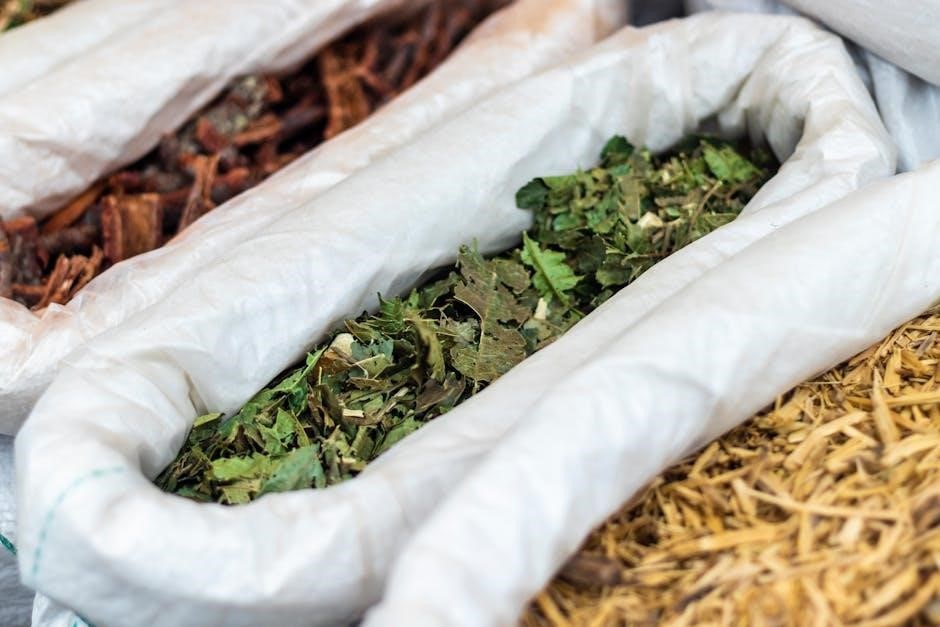
Unlock the full healing potential of herbs! This guide emphasizes that how you prepare medicine is crucial, not just what you use.
XXI. Quality Control & Sourcing of Herbs
Ensuring herbal quality begins with mindful sourcing. Prioritize herbs from reputable suppliers who practice sustainable harvesting and offer transparent information about origin and cultivation methods. Look for organic certification whenever possible, minimizing pesticide exposure. Proper identification is paramount; misidentification can lead to ineffective or even harmful remedies.
Assess the herb’s appearance, aroma, and texture; Fresh herbs should be vibrant and fragrant, while dried herbs should be free from mold or discoloration. Consider purchasing whole herbs over pre-ground powders to preserve potency. Establish relationships with local growers when feasible, fostering a direct connection to your herbal allies. Rigorous quality control isn’t merely a suggestion; it’s the bedrock of effective herbalism.
XXII. Dosage & Administration Guidelines
Determining appropriate dosage is a nuanced art, influenced by individual constitution, herbal energetics, and the specific condition being addressed. Begin with lower doses, observing the body’s response before gradually increasing as needed. Consider factors like age, weight, and overall health when calculating dosage.
Administration methods vary depending on the preparation. Tinctures are typically measured in drops, while powders can be encapsulated or mixed with liquids. Pay attention to timing; some herbs are best taken with food, while others are more effective on an empty stomach. Consistent adherence to a well-considered regimen maximizes therapeutic benefits. Always prioritize individualized assessment over generalized rules.
XXIII. Safety Considerations & Contraindications
Herbal medicine, while natural, isn’t without potential risks. Thoroughly research each herb before use, noting potential contraindications with medications or existing health conditions. Pregnancy and breastfeeding necessitate extra caution, as many herbs are not suitable during these times. Allergic reactions, though rare, can occur; start with small doses to assess tolerance.
Be mindful of potential herb-drug interactions. Some herbs can amplify or diminish the effects of pharmaceutical medications. Proper identification of herbs is crucial to avoid toxicity from misidentified plants. When in doubt, consult a qualified healthcare professional or clinical herbalist before embarking on any herbal treatment plan.
Unlock the full healing potential of herbs through precise methods, transforming knowledge into effective, homemade medicine for wellness and vitality.
XXIV. Building Your Home Herbal Dispensatory
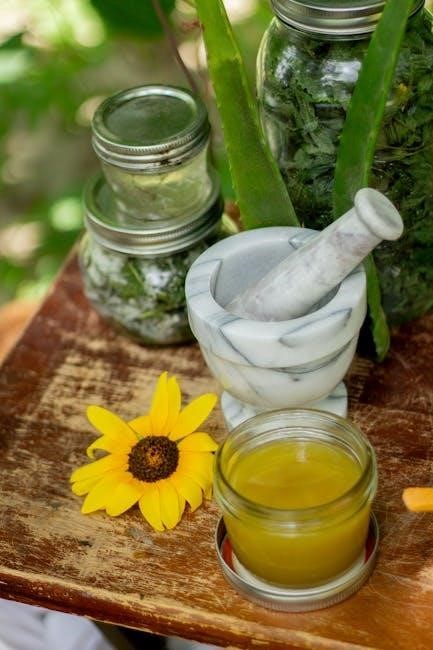
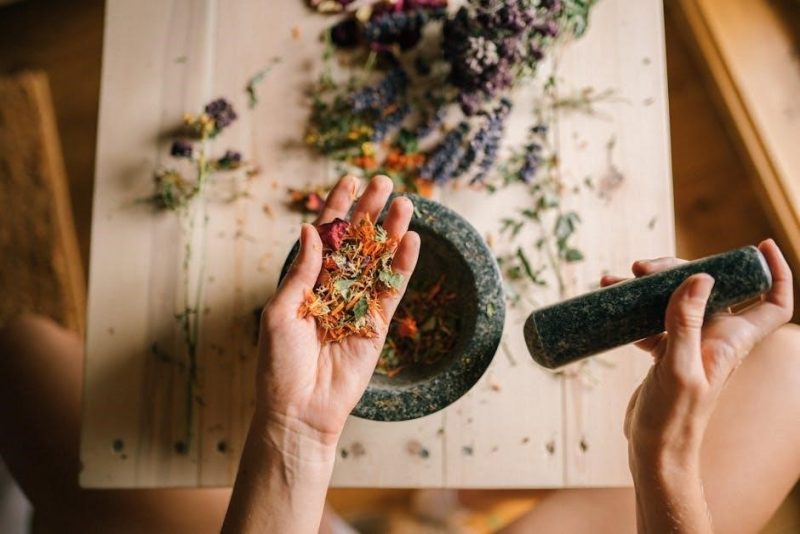
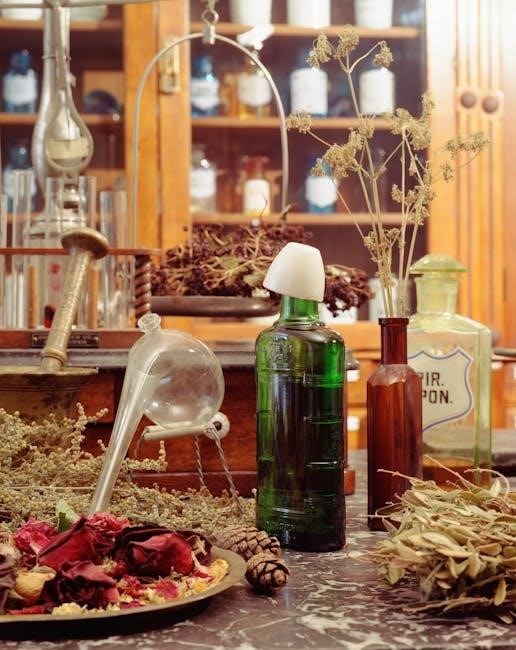
Creating a functional home dispensary is about more than just storage; it’s cultivating a dedicated space for herbal practice. Begin with clean, labeled containers – glass is preferred – to protect herbs from light and moisture. Organize by herbal action or body system for easy access. Essential tools include a dedicated mortar and pestle, measuring spoons and cups, funnels, strainers, and amber glass bottles for tinctures.
Consider a designated workspace, even a small corner, for medicine making. Prioritize quality sourcing, opting for reputable suppliers offering ethically harvested herbs. Maintain detailed records of your preparations, including dates, ingredients, and dosages. Remember safety – clearly label all remedies and store them out of reach of children and pets. A well-organized dispensary empowers consistent, effective herbal care.