
manual transmission to automatic conversion
Thinking of ditching the stick shift? Our UK guide breaks down manual to automatic transmission conversions – costs, benefits & everything in between! Get informed.
Manual to Automatic Transmission Conversion: A Comprehensive Guide
Converting from a manual to an automatic transmission is a complex undertaking, involving significant cost and intricate mechanical adjustments for optimal vehicle performance.
This guide details the process, exploring compatibility, costs, and potential challenges, ensuring a smooth and informed conversion experience for your vehicle.
Understanding the Conversion Process
Transitioning from a manual to an automatic transmission isn’t simply swapping gears; it’s a comprehensive overhaul impacting numerous vehicle systems. The process begins with a thorough assessment of your vehicle’s compatibility, as not all models readily accommodate an automatic.
Removing the existing manual transmission, clutch, and related components is the initial step. Subsequently, installing the automatic transmission requires modifications to the drivetrain, including the driveshaft and potentially the differential, to ensure proper alignment and function.

Crucially, the vehicle’s Electronic Control Unit (ECU) demands remapping to synchronize with the automatic transmission’s control systems. This involves intricate wiring and electronic adjustments. Furthermore, the pedal assembly must be modified, eliminating the clutch pedal and integrating necessary controls for the automatic shifter. Expect a significant undertaking, demanding expertise and careful planning.
Is a Manual to Automatic Conversion Right for You?
Deciding to switch from a manual to an automatic transmission is a personal choice with significant implications. Consider your driving preferences – do you prioritize convenience and ease of use over driver engagement? An automatic simplifies daily commutes and reduces driver fatigue, particularly in heavy traffic.
However, be aware of the potential drawbacks. Automatic transmissions are generally more expensive to repair than manuals, and can sometimes offer reduced fuel efficiency. The conversion process itself is costly, potentially ranging from several thousand dollars, and can impact the vehicle’s resale value.
Evaluate your mechanical skills and budget realistically. If you’re not comfortable with complex automotive work, professional installation is essential, adding to the overall expense. Carefully weigh the benefits against the costs before committing to this substantial modification.
Vehicle Compatibility and Considerations
Not all vehicles are suitable candidates for a manual to automatic transmission conversion. Older vehicles, particularly those predating extensive electronic engine controls, often present fewer compatibility issues. However, newer cars with integrated systems require careful evaluation.

The engine control unit (ECU) plays a crucial role; it must be remapped or replaced to communicate effectively with the automatic transmission. Vehicles with complex CAN bus systems may necessitate extensive wiring modifications. Consider the availability of conversion kits specifically designed for your make and model.
Furthermore, assess the structural integrity of the transmission tunnel and mounting points. Modifications may be needed to accommodate the larger automatic transmission. Thorough research and consultation with a qualified mechanic are vital to determine feasibility and potential challenges.
Cost Breakdown: Parts and Labor
The financial investment in a manual to automatic transmission conversion varies significantly. The automatic transmission itself can range from $1,000 to $3,000, depending on whether it’s new, used, or remanufactured; A complete conversion kit, if available, may cost between $2,000 and $5,000, encompassing essential components.
Labor costs are substantial, typically ranging from $3,000 to $8,000, or even $20,000 with ECU remapping and complex wiring. ECU remapping/wiring/electronics alone can be $8,000 to $20,000. Miscellaneous components like mounts and coolers add to the expense. Expect additional costs for a driveshaft adjustment and potential differential changes.
Ultimately, a complete conversion can easily exceed $6,000 and potentially reach $15,000 or more, depending on the vehicle and the complexity of the installation. Careful budgeting and obtaining multiple quotes are crucial.
Transmission Options: New, Used, or Remanufactured
Selecting the right automatic transmission is a critical decision impacting both cost and reliability. A new transmission offers the longest lifespan and typically comes with a comprehensive warranty, but represents the highest upfront investment, potentially exceeding $3,000.
Used transmissions are the most affordable option, often available for under $1,000, but carry inherent risks. Their history is often unknown, and they may have limited remaining life, potentially leading to premature failure. Thorough inspection is vital.
Remanufactured transmissions strike a balance between cost and reliability. These units have been disassembled, inspected, and rebuilt with new or reconditioned parts, typically costing between $1,500 and $2,500. They often include a limited warranty, offering peace of mind. Consider mileage and the remanufacturer’s reputation.

Conversion Kits: What’s Included?
Automatic transmission conversion kits aim to simplify the process, bundling essential components. A typical kit includes the automatic transmission itself, a compatible torque converter, and a new shifter assembly with necessary cables; However, contents vary significantly between manufacturers and vehicle applications.
Many kits also provide a flexplate (replacing the flywheel), a transmission mount, and potentially a modified driveshaft or adapter plate. Crucially, most kits do not include the ECU remapping or wiring harness modifications, which are often required for proper operation.
Carefully review the kit’s description to understand exactly what’s included, and identify any additional parts you’ll need to purchase separately. Some kits may require specialized tools for installation, adding to the overall cost.
Essential Components Required for Conversion
Beyond the automatic transmission itself, a successful conversion demands several key components. A correctly matched torque converter is paramount, ensuring efficient power transfer from the engine. The shifter assembly and accompanying cables are vital for driver control, replacing the manual shift mechanism.
A flexplate, designed to work with the automatic, replaces the manual flywheel. A new transmission mount is necessary to securely position the automatic within the chassis. Depending on the vehicle, modifications to the driveshaft may be needed to accommodate the length difference.
Don’t overlook seemingly small items like new transmission fluid, filters, and cooler lines. Proper ECU remapping and wiring harness integration are also essential, often requiring professional expertise.
The Automatic Transmission Itself
Selecting the right automatic transmission is crucial; compatibility with your engine and vehicle model is non-negotiable. Options range from new units – offering maximum reliability but at a higher cost – to used or remanufactured transmissions. Used units are the most affordable, but carry inherent risk regarding their condition and remaining lifespan.
Remanufactured transmissions offer a balance, being rebuilt with new components and typically backed by a warranty. Consider the transmission’s gear ratios; matching them to your vehicle’s intended use (city driving, highway cruising, towing) optimizes performance.
Ensure the transmission includes all necessary hardware, or factor in the cost of acquiring missing parts. Thoroughly research the seller and inspect the unit (if possible) before purchase.
Torque Converter Selection
The torque converter is a vital link between the engine and the automatic transmission, replacing the clutch in a manual system. Selecting the correct torque converter is paramount for efficient power transfer and smooth operation. Stall speed is a key specification; it dictates how much the converter allows the engine to rev before fully engaging the transmission;
Lower stall speeds are ideal for street driving and fuel economy, while higher stall speeds benefit performance applications like drag racing. Consider your vehicle’s engine characteristics and intended use when choosing a stall speed.
Ensure the torque converter is compatible with both the transmission and the engine’s crankshaft. Matching the torque converter’s size and bolt pattern is essential for a proper fit and function, avoiding costly errors during installation.
Shifter Assembly and Cables
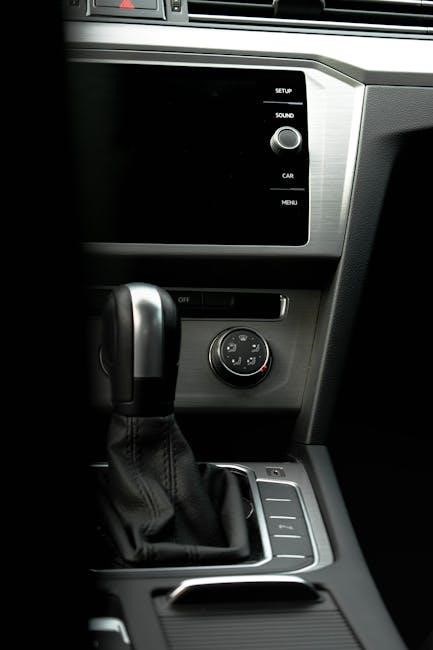
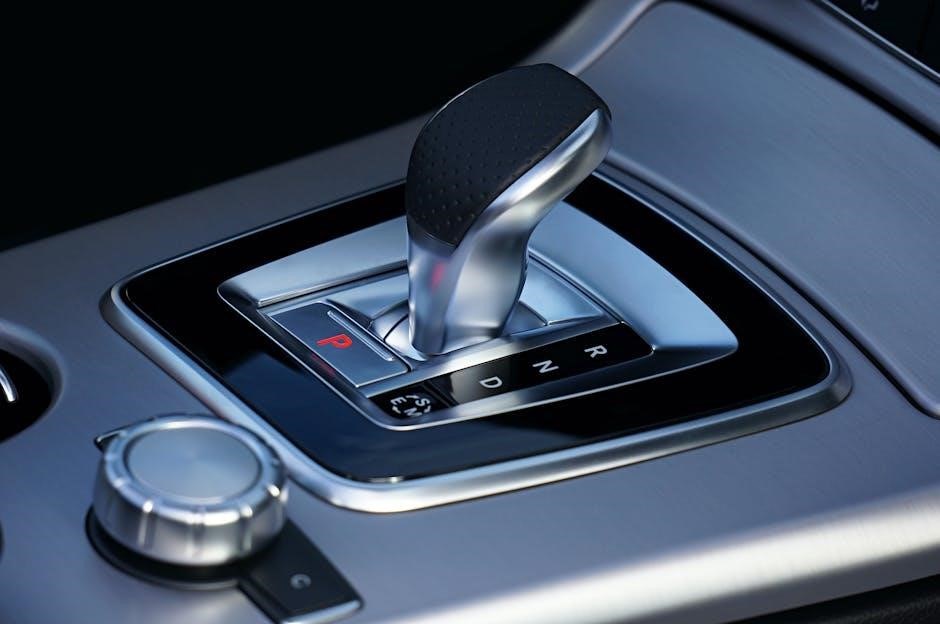
Replacing the manual shifter with an automatic transmission shifter requires careful attention to detail. The new shifter assembly must be compatible with the chosen automatic transmission and fit within the vehicle’s interior console. Often, a complete console swap is necessary, depending on the vehicle model.
Proper cable routing is crucial for accurate gear selection. The shift cables connect the shifter to the transmission, and any binding or misalignment will result in difficulty shifting or incorrect gear engagement. Ensure the cables are securely fastened and free from obstructions.

Consider the type of shifter – column-mounted or floor-mounted – and select a kit accordingly. Quality aftermarket shifter assemblies often provide smoother, more precise shifting compared to basic OEM replacements.
ECU Remapping and Electronic Considerations
Converting to an automatic transmission fundamentally alters the engine control unit’s (ECU) operational parameters. The ECU, originally calibrated for manual operation, needs reprogramming to correctly interpret signals from the automatic transmission.
This remapping is essential for proper torque converter lockup, shift points, and overall engine-transmission synchronization. Failure to do so can result in poor performance, erratic shifting, or even damage to the drivetrain. Expect costs ranging from $8,000 to $20,000 for this crucial step.
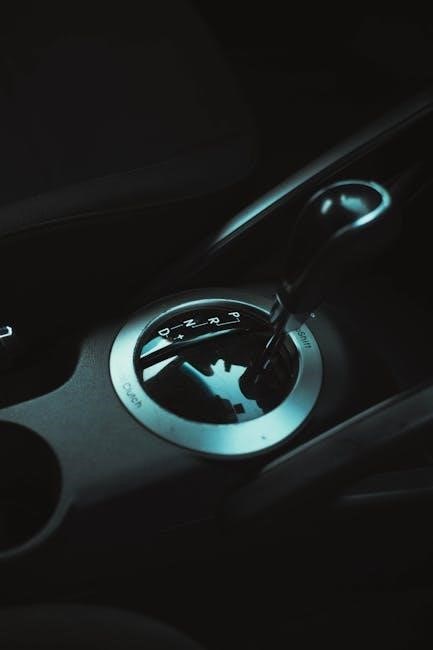
Modern vehicles with integrated transmission control modules (TCM) require careful wiring integration. The ECU and TCM must communicate seamlessly. This often involves custom wiring harnesses and specialized diagnostic tools. Thorough testing is vital post-installation.
Drivetrain Modifications: Adapting to the Automatic
Switching from a manual to an automatic transmission necessitates careful drivetrain adjustments. The driveshaft length will almost certainly require modification, as automatic transmissions often differ in overall length compared to their manual counterparts. Accurate measurement and custom fabrication are crucial for proper function and to avoid vibrations.
Furthermore, the differential may need evaluation. Depending on the vehicle and the final drive ratio of the automatic transmission, a gear change might be necessary to maintain optimal performance and fuel efficiency. Ignoring this can lead to undesirable acceleration characteristics.
Inspect all U-joints and related hardware for wear during the process. Ensuring the entire drivetrain is in good condition prevents premature failure after the conversion is complete.
Driveshaft Adjustments
Driveshaft adjustments are paramount during a manual to automatic transmission conversion, as the differing lengths between the two transmission types directly impact drivetrain geometry. A driveshaft that is too long or too short will cause significant stress on the transmission, differential, and U-joints, leading to premature wear and potential failure.
Accurate measurement is key; compare the lengths of the original driveshaft with the space available after the automatic transmission installation. Often, shortening the driveshaft is required, necessitating a professional welding and balancing service. Simply cutting and re-joining isn’t sufficient – proper balancing eliminates vibrations.
Inspect the slip yoke and U-joints thoroughly; Replacement may be necessary to ensure smooth operation and prevent driveline issues. Ignoring these adjustments compromises the entire conversion’s reliability.
Potential Differential Changes
Converting from a manual to an automatic transmission may necessitate evaluating and potentially changing the vehicle’s differential. This stems from the differing torque multiplication characteristics of each transmission type. Automatic transmissions often provide greater torque multiplication, particularly at lower speeds, which can stress the existing differential.
Assess the differential’s current condition and gear ratio. If the differential is weak or exhibits signs of wear, upgrading to a stronger unit is advisable. Consider the intended use of the vehicle; a more aggressive gear ratio might be beneficial for performance, while a taller ratio enhances fuel economy.
Confirm compatibility between the new transmission, driveshaft, and differential. Mismatched components can lead to vibrations and reduced drivetrain efficiency. Careful planning and component selection are crucial for a successful and reliable conversion.
Cooling System Upgrades
Automatic transmissions generate significantly more heat than manual counterparts due to the fluid coupling and internal friction. Consequently, upgrading the vehicle’s cooling system is often essential during a conversion. Insufficient cooling can lead to premature transmission failure and reduced performance.
Consider installing an auxiliary transmission cooler, especially for vehicles frequently used for towing or in demanding conditions. A larger radiator with increased cooling capacity may also be necessary. Ensure the transmission cooler lines are appropriately sized and routed to avoid restrictions.
Evaluate the existing cooling fan setup. An electric fan with adjustable speed control can provide more precise cooling than a mechanically driven fan. Regularly monitor transmission fluid temperature after the conversion to verify the cooling system’s effectiveness.
Pedal Assembly Modifications
A crucial aspect of a manual to automatic transmission conversion involves modifying the pedal assembly. With a manual, you have a clutch pedal; this becomes redundant with an automatic and must be removed or repurposed. Simply removing it leaves an unsightly hole and potential safety concerns.
Often, a blanking plate or a cover designed to mimic the interior’s aesthetics is installed. Some enthusiasts opt to repurpose the space for other controls or storage. Ensure any modifications are securely fastened and do not interfere with other pedal operation.
Carefully consider the brake pedal’s position. It may need slight adjustment to ensure comfortable and safe operation with the automatic. Thoroughly inspect all connections and ensure proper functionality before driving.
Wiring Harness Integration
Wiring harness integration is arguably the most challenging part of a manual to automatic transmission conversion, particularly in modern vehicles. The automatic transmission requires connections for the torque converter lock-up, transmission control module (TCM), and various sensors – none of which existed in the original manual setup.
Expect extensive wiring, splicing, and potentially, the installation of new wiring segments. A standalone wiring harness or a complete vehicle harness swap might be necessary. Crucially, the engine control unit (ECU) must communicate with the TCM, demanding careful remapping or programming.
Incorrect wiring can lead to transmission malfunctions, engine issues, or even complete vehicle failure. Professional assistance is highly recommended to ensure a safe and reliable integration, avoiding costly errors and potential hazards.
Potential Issues and Troubleshooting
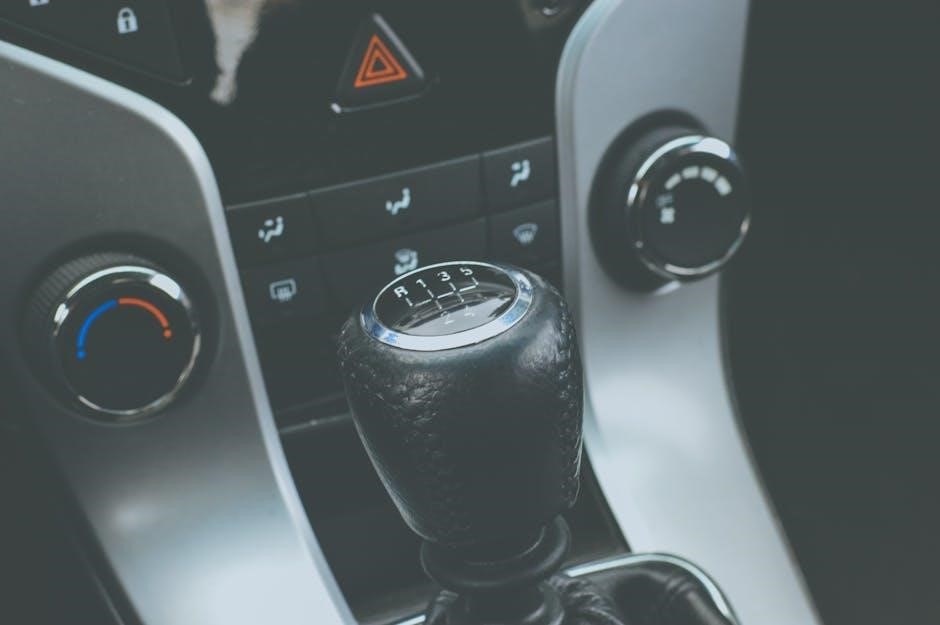
Manual to automatic transmission conversions, while beneficial, aren’t without potential pitfalls. Common issues include incorrect sensor readings, leading to erratic shifting or the transmission remaining stuck in a single gear. Wiring errors are frequent culprits, causing communication failures between the engine control unit (ECU) and the transmission control module (TCM).
Torque converter malfunctions, often manifesting as shuddering or slipping, can also occur. Diagnostic tools are essential for identifying error codes and pinpointing the source of the problem. Fluid leaks, stemming from improperly installed seals or damaged lines, require immediate attention.
Thoroughly check all connections, sensor functionality, and fluid levels. If issues persist, consult a qualified mechanic specializing in transmission work for accurate diagnosis and repair.
Finding a Qualified Mechanic
Manual to automatic transmission conversions demand specialized expertise. Not all mechanics possess the necessary skills for this intricate process. Seek a professional with proven experience in both transmission work and vehicle-specific ECU remapping/wiring. General mechanics may lack the diagnostic capabilities for complex electronic integrations.
Look for certifications from organizations like ASE (Automotive Service Excellence). Online reviews and testimonials can offer valuable insights into a mechanic’s reputation and quality of work. Don’t hesitate to ask detailed questions about their experience with similar conversions.
A qualified mechanic will provide a comprehensive quote, outlining parts, labor, and potential unforeseen costs. They should also clearly explain the conversion process and address any concerns you may have.
Long-Term Maintenance and Reliability
Automatic transmissions, while convenient, are inherently more complex than manuals, demanding diligent long-term maintenance. Regular fluid checks and changes are crucial – follow the manufacturer’s recommended intervals, potentially shortening them given the conversion. Inspect for leaks promptly, as fluid loss can cause severe damage.
Be attentive to shifting patterns; any unusual noises, slipping, or harsh engagement warrants immediate investigation. The converted drivetrain may experience slightly reduced reliability compared to a factory-built automatic vehicle, requiring proactive monitoring.
Consider a transmission cooler upgrade for vehicles frequently subjected to heavy loads or towing. Proper maintenance extends the lifespan and ensures smooth operation of your converted automatic transmission.
Legal and Insurance Implications
Converting a manual transmission to an automatic can have legal ramifications, varying significantly by location. Check your local vehicle codes; some jurisdictions require inspection and approval to ensure the modification meets safety standards. Documentation of the conversion process, including parts used and labor performed, is vital.
Inform your insurance provider immediately. Failure to do so could invalidate your policy in the event of an accident. The modification may affect your premium, potentially increasing it due to the altered vehicle characteristics.
Ensure the conversion doesn’t violate emissions regulations. Maintaining accurate records of all changes is crucial for registration and insurance purposes, safeguarding your legal compliance.