
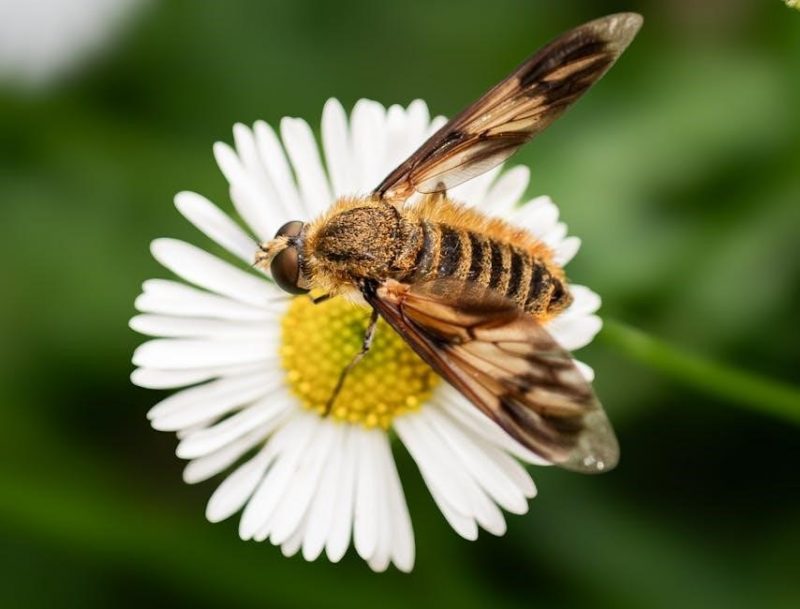
daisy animal observer badge requirements pdf
Earn your Daisy Animal Observer badge with ease! Download the official PDF requirements & get ready for exciting outdoor adventures. Learn about creatures big & small!
Daisy Animal Observer Badge Requirements Plan
Today’s date is 01/23/2026 20:10:13․ This eight-page pamphlet details steps for Daisies to earn their Animal Observer Badge, including a two-page volunteer guide․
The badge itself is sold separately․ The pamphlet is three-hole punched for easy inclusion in binders, aiding in organized learning and tracking progress towards badge completion․
Embark on a fascinating journey into the world of wildlife with the Daisy Animal Observer Badge! This badge encourages young explorers to develop keen observation skills and a deeper appreciation for the creatures around them․ The accompanying eight-page pamphlet, available as a PDF, serves as a comprehensive guide, meticulously outlining the steps needed for Daisy-aged girls to successfully earn this rewarding recognition․

The core of this badge lies in learning how scientists study animals․ It emphasizes utilizing all our senses – sight, hearing, smell, and even touch (with appropriate caution) – to gather information․ The pamphlet introduces the concept that observation isn’t just looking, but actively noticing details and patterns․ It’s about becoming a detective of the natural world, uncovering clues about animal behavior, habitats, and needs․

Beyond simply observing, the badge fosters documentation skills․ Girls will learn to record their findings through both drawing and writing, enhancing their ability to communicate their discoveries effectively․ The included two-page volunteer guide assists leaders in facilitating these activities and ensuring a meaningful learning experience․ This badge isn’t just about animals; it’s about cultivating curiosity, critical thinking, and a lifelong love of nature․
Understanding Observation Skills
The Daisy Animal Observer Badge centers around developing strong observation skills – a cornerstone of scientific inquiry․ The badge’s PDF pamphlet emphasizes that observation goes far beyond simply looking at an animal․ It’s about actively engaging all your senses to gather detailed information about the natural world․ Just like scientists, Daisies will learn to watch, listen, smell, and carefully touch (when safe) to understand animal behavior․
This skill isn’t innate; it requires practice and focus․ The pamphlet guides girls through exercises designed to sharpen their attention to detail․ They’ll learn to identify patterns, notice subtle changes, and differentiate between what they think they see and what is actually happening․ It encourages asking questions – why is the animal behaving this way? What might it be searching for?
Effective observation also involves minimizing distractions․ The guide stresses the importance of quiet focus and patience․ It’s about slowing down, taking the time to truly see and hear the environment, and resisting the urge to jump to conclusions․ These skills aren’t just valuable for animal observation; they’re transferable to all areas of learning and life, fostering critical thinking and a deeper understanding of the world around us․
The Role of Scientists in Animal Observation
The Daisy Animal Observer Badge introduces young girls to the fascinating world of scientific inquiry, specifically highlighting the crucial role of observation in animal studies․ The pamphlet emphasizes that scientists don’t just stumble upon discoveries; they meticulously observe, record, and analyze animal behavior to gain understanding․ This process mirrors the badge’s activities, empowering Daisies to think like real scientists․
Scientists use observation to answer questions about animal life – from their diets and habitats to their communication methods and life cycles․ The PDF resource explains how careful observation helps scientists track populations, understand ecosystems, and develop conservation strategies․ It’s not simply about admiring animals, but about gaining knowledge to protect them․
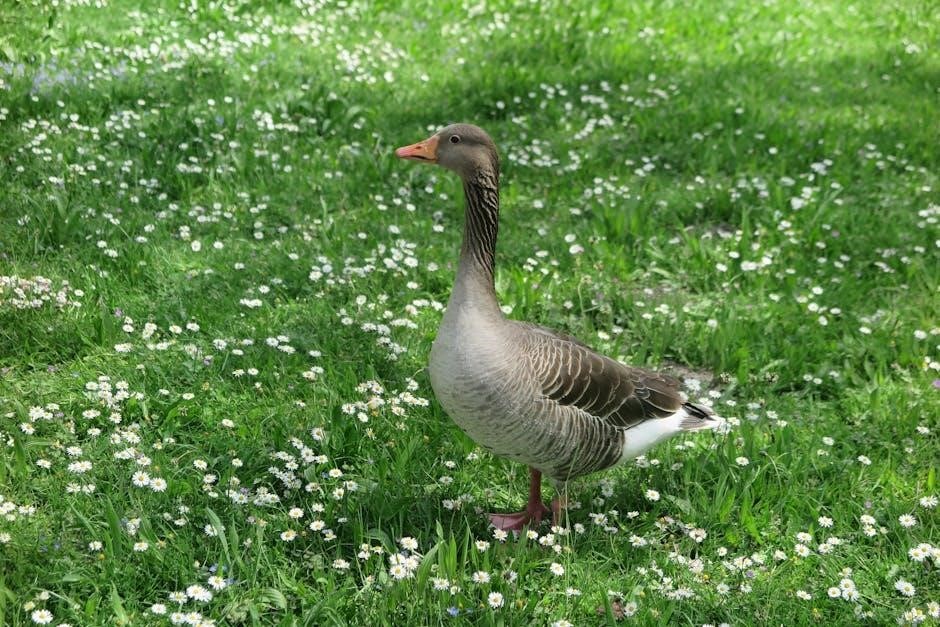
The pamphlet connects this scientific process to everyday life, demonstrating how observation skills are essential in various fields․ It encourages girls to consider the dedication and patience required for scientific research, fostering an appreciation for the work of biologists, zoologists, and other animal experts․ By mimicking scientific methods, Daisies develop critical thinking and problem-solving abilities․
Using Your Senses for Observation
The Daisy Animal Observer Badge pamphlet strongly emphasizes the importance of utilizing all five senses – sight, hearing, smell, touch (with caution), and even taste (though discouraged for safety reasons) – during animal observation․ Just like scientists, Daisies are encouraged to become keen observers, noticing details others might miss․ The PDF resource details how each sense contributes to a more complete understanding of an animal and its environment․

The pamphlet explains that scientists rely on their senses to gather data, and the badge activities are designed to replicate this process․ For example, listening for bird songs, watching for animal tracks, or carefully observing an insect’s movements all require focused sensory attention․ It highlights that observation isn’t just about seeing an animal, but about experiencing its world․
The resource stresses the importance of careful recording of sensory observations․ Daisies are prompted to describe what they see, hear, and smell, fostering descriptive language skills and attention to detail․ The guide also includes safety reminders, particularly regarding touch, emphasizing respectful distance and avoiding interaction with potentially dangerous animals․
Eyesight in Animal Observation
The Daisy Animal Observer Badge PDF places significant emphasis on eyesight as a primary tool for observation․ It explains how careful visual observation can reveal crucial information about an animal’s behavior, health, and environment․ Daisies are encouraged to practice “slow looking,” taking time to truly notice details like fur patterns, body language, and subtle movements․
The pamphlet suggests specific activities to hone visual observation skills, such as identifying different bird species by their markings or observing how an animal camouflages itself within its habitat․ It highlights the importance of noting color, shape, and size, and encourages Daisies to compare and contrast what they see․
The resource also touches upon the limitations of human eyesight compared to other animals․ It prompts discussion about how different animals perceive the world visually, fostering an understanding of diverse perspectives․ The PDF stresses the importance of patience and persistence, as animals may be shy or move quickly, requiring focused attention to capture meaningful observations․
Hearing and Animal Observation
The Daisy Animal Observer Badge requirements PDF underscores the vital role of auditory observation in understanding animal life․ It explains that animals communicate extensively through sounds – calls, songs, chirps, and more – providing clues to their behavior, location, and emotional state․ Daisies are guided to develop their listening skills, focusing on identifying different animal sounds and interpreting their meanings․
The pamphlet suggests activities like closing their eyes and solely relying on sound to identify nearby birds or insects․ It encourages noting the pitch, volume, and rhythm of sounds, and how these characteristics might indicate different messages․ The resource emphasizes the importance of quiet observation, minimizing distractions to better detect subtle auditory cues․
The PDF also prompts consideration of how animal hearing differs from human hearing․ It sparks discussion about animals that use echolocation or can detect frequencies beyond human range, broadening understanding of sensory perception․ It stresses the need for respectful listening, avoiding loud noises that could disturb animals during observation․

Smell and Animal Observation
The Daisy Animal Observer Badge requirements PDF highlights the often-overlooked importance of smell in animal observation․ It explains that many animals rely heavily on their sense of smell for finding food, identifying mates, detecting predators, and marking territory – a world vastly different from our human-centric olfactory experience․ Daisies are encouraged to consider how animals perceive their environment through scent․
The pamphlet suggests observing how animals react to different smells, noting any changes in behavior when exposed to specific scents․ It prompts discussion about how animals use scent trails to communicate and navigate․ The resource emphasizes that while humans may not be able to detect all the scents animals do, we can still observe the effects of smell on their actions․
The PDF cautions against directly approaching or disturbing animal scents, prioritizing respectful observation from a distance․ It encourages thinking about how wind direction might carry scents and influence animal movement․ It also sparks curiosity about animals with particularly acute senses of smell, like dogs or bears, and how they utilize this ability․
Touch (with Caution) in Animal Observation
The Daisy Animal Observer Badge requirements PDF strongly emphasizes that touch should be the least utilized sense during animal observation, and only considered under very specific, controlled circumstances․ It prioritizes the safety and well-being of the animal above all else, stressing that approaching and touching wild animals is generally unsafe and disruptive․ The document clearly states that disturbing an animal’s natural behavior is detrimental to observation․
The pamphlet explains that even seemingly harmless touch can cause stress or injury to an animal․ It suggests that, in rare instances – such as with a permitted wildlife rehabilitation center – supervised handling might be possible, but only with expert guidance․ Daisies are encouraged to focus on observing textures from a distance, like the bark of a tree an animal might rub against, rather than the animal itself․
The PDF reinforces the importance of respecting an animal’s personal space․ It prompts discussion about why animals might react negatively to being touched and the ethical considerations involved․ It highlights that observation should never come at the expense of an animal’s comfort or safety, and emphasizes responsible wildlife stewardship․
Choosing an Animal to Observe
The Daisy Animal Observer Badge requirements PDF guides girls in selecting an appropriate animal for observation, prioritizing accessibility and ethical considerations․ It advises against choosing wild animals that might be easily frightened or disturbed, instead suggesting common backyard visitors like birds, squirrels, or insects as excellent starting points․ The pamphlet encourages observing pets, with parental permission and ensuring the animal’s comfort isn’t compromised․
The document stresses the importance of selecting an animal that can be observed repeatedly over time․ This allows for tracking behavior patterns and noticing subtle changes․ It discourages focusing on rare or elusive creatures, as consistent observation becomes impractical․ The PDF prompts Daisies to consider what interests them – do they enjoy watching how birds build nests, or how squirrels gather food?
The guide also emphasizes responsible observation․ It cautions against choosing animals that are known to be dangerous or protected species requiring special permits․ It encourages girls to research their chosen animal to understand its basic needs and behaviors, fostering a deeper appreciation for wildlife and responsible observation practices․
Safe Animal Observation Practices
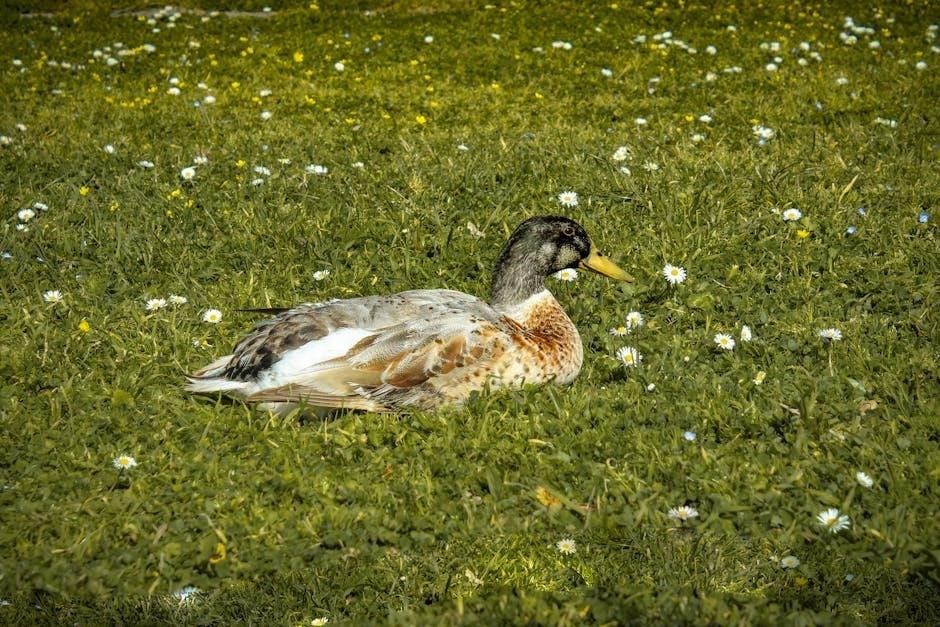
The Daisy Animal Observer Badge requirements PDF places paramount importance on safety during animal observation․ It explicitly advises against approaching or attempting to touch wild animals, emphasizing that even seemingly harmless creatures can bite or scratch when feeling threatened․ Maintaining a respectful distance is crucial, allowing animals to behave naturally without interference․
The pamphlet strongly recommends adult supervision for all observation activities, particularly when observing animals outdoors․ Adults can help identify potential hazards and ensure the girl’s safety․ It also cautions against disturbing animal habitats – leaving nests, dens, or feeding areas undisturbed is vital for the animal’s well-being․
Regarding pets, the PDF stresses the importance of gentle interaction and respecting the animal’s boundaries․ Never force an animal to interact if it appears scared or uncomfortable․ Handwashing after any contact with animals, even pets, is mandatory to prevent the spread of germs․ The guide promotes responsible observation that prioritizes both the observer’s and the animal’s safety and welfare․
Observing Animals in Their Natural Habitat
The Daisy Animal Observer Badge requirements PDF highlights the value of observing animals where they naturally live, rather than in zoos or captivity․ This allows for a more authentic understanding of their behaviors and interactions within their ecosystem․ The pamphlet encourages girls to explore local parks, gardens, and even their own backyards as potential observation sites․
It emphasizes the importance of being patient and quiet while observing, minimizing disturbance to the animals and their surroundings․ Blending into the environment – wearing neutral colors and moving slowly – can help avoid startling wildlife․ The guide suggests observing from a distance, using binoculars if necessary, to avoid disrupting natural behaviors․
The PDF also encourages girls to consider the habitat itself, noting the types of plants, water sources, and shelter available․ Understanding the habitat provides context for the animal’s behavior and helps appreciate its needs․ Observing animals in their natural habitat fosters a deeper connection with nature and promotes responsible stewardship of the environment․
Documenting Your Observations: Drawing
The Daisy Animal Observer Badge requirements PDF strongly advocates for documenting observations through drawing as a key component of the badge․ This isn’t about artistic perfection, but about careful observation and translating what is seen onto paper․ The pamphlet suggests focusing on key features – shape, size, color, and patterns – rather than attempting a highly detailed rendering․
Drawing encourages girls to slow down and truly see the animal, noticing details they might otherwise miss․ It’s a valuable skill for developing observational skills and enhancing memory․ The guide suggests starting with basic shapes and gradually adding details, emphasizing that sketches don’t need to be realistic to be informative․
The PDF encourages labeling drawings with observations, such as the animal’s posture, actions, and any notable features․ This combines visual documentation with written notes, creating a comprehensive record of the observation․ Drawing provides a creative and engaging way to capture and share discoveries about the animal world․
Documenting Your Observations: Writing
The Daisy Animal Observer Badge requirements PDF highlights written documentation as crucial alongside drawing․ It emphasizes that clear and concise writing helps solidify observations and allows for easy sharing of findings․ The pamphlet encourages girls to record what they see, when they see it, and where they observe the animal․
Detailed notes should include descriptions of the animal’s behavior, such as how it moves, what it eats, and how it interacts with its environment․ The guide suggests using descriptive language – colors, textures, sounds – to paint a vivid picture for the reader․ Focusing on factual observations, rather than interpretations, is key․
The PDF recommends keeping a dedicated observation journal or notebook to compile all written records․ This creates a lasting record of the observation process and allows for easy review and comparison of findings over time․ Combining written descriptions with drawings creates a comprehensive and informative record of animal observations, fulfilling badge requirements․
Animal Behavior Patterns to Observe
The Daisy Animal Observer Badge requirements PDF suggests focusing on several key behavior patterns․ Observing how animals find food – their foraging techniques – is a primary focus․ This includes noting what they eat, how they obtain it, and where they search for sustenance․
Another important pattern is social interaction․ Does the animal live alone or in a group? How does it communicate with others of its kind? Observing play behavior, if present, can also reveal valuable insights into an animal’s personality and well-being․ The pamphlet encourages noting any patterns in these interactions․
Resting and sleeping habits are also valuable observations․ When and where does the animal rest? How long does it sleep? Finally, observing movement patterns – how the animal walks, runs, flies, or swims – provides clues about its physical capabilities and adaptation to its environment․ Detailed notes on these behaviors contribute to fulfilling the badge’s requirements․
Identifying Animal Tracks and Signs
The Daisy Animal Observer Badge requirements PDF highlights the importance of recognizing animal tracks as evidence of their presence․ Learning to identify footprints – the size, shape, and pattern – is a crucial skill․ Different animals leave distinct impressions, offering clues about their species and size․
Beyond footprints, the pamphlet encourages observation of other signs․ These include scat (animal droppings), which can reveal dietary information, and rub marks on trees, indicating territorial behavior․ Nests, burrows, and chewed vegetation are also valuable indicators of animal activity․
Understanding the context of these signs is key․ Where were they found? What type of habitat is it? Combining track identification with other signs creates a more complete picture of the animal’s life and movements․ Careful documentation, including sketches or photographs, is recommended for fulfilling the badge requirements and enhancing observational skills․
Understanding Animal Habitats
The Daisy Animal Observer Badge requirements PDF emphasizes that animals don’t live just anywhere; they inhabit specific environments called habitats․ A habitat provides everything an animal needs to survive – food, water, shelter, and space․ Recognizing these essential elements is fundamental to understanding animal behavior․
Different animals thrive in different habitats․ Forests offer shelter and diverse food sources, while grasslands provide open spaces for grazing․ Aquatic habitats, like ponds and streams, support a unique array of life․ The pamphlet encourages Daisies to consider why an animal lives in a particular place․
Observing the habitat itself is crucial․ What types of plants are present? Is there a water source nearby? What is the climate like? These factors influence which animals can survive there․ Documenting the habitat alongside animal observations provides valuable context and demonstrates a deeper understanding of the animal’s world․
Animal Diets and Feeding Habits
The Daisy Animal Observer Badge requirements PDF highlights the importance of understanding what animals eat and how they obtain their food․ Animal diets vary dramatically, ranging from herbivores (plant-eaters) to carnivores (meat-eaters) and omnivores (those who eat both)․ Observing feeding habits provides insights into an animal’s role within its ecosystem․
Daisies are encouraged to investigate the types of food available in the animal’s habitat․ Are there berries, seeds, insects, or other animals present? How does the animal locate and capture its food? Does it forage, hunt, or scavenge? Careful observation can reveal fascinating details about an animal’s feeding strategies․
Documenting feeding behaviors is key․ Note the time of day the animal feeds, the specific foods it consumes, and any unique techniques it employs․ This information contributes to a comprehensive understanding of the animal’s lifestyle and its interactions with its environment․ Understanding diets helps appreciate the interconnectedness of life․
Animal Communication Methods
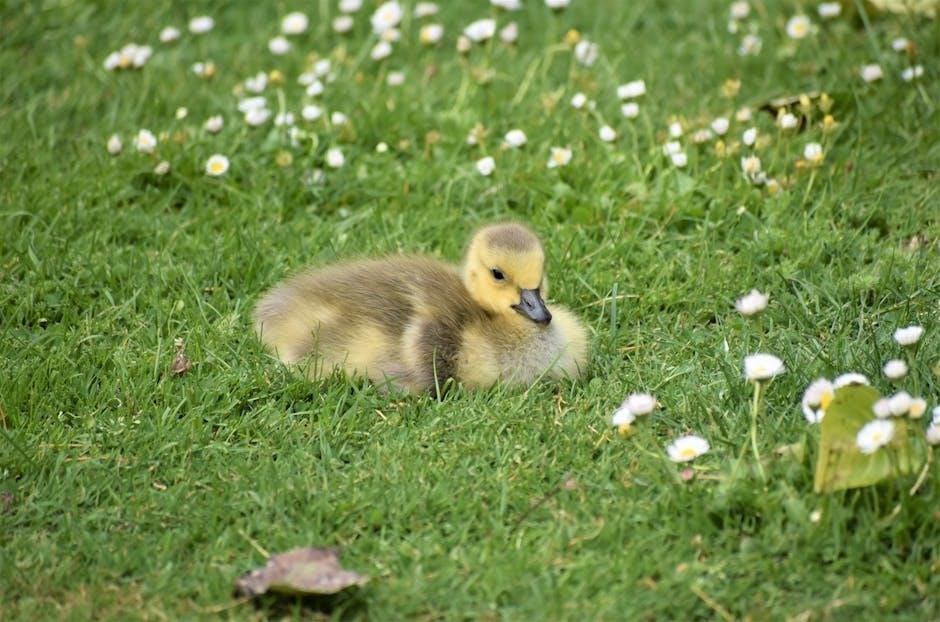
The Daisy Animal Observer Badge requirements PDF emphasizes that animals “talk” to each other, but not always with words! Communication is vital for survival, encompassing a wide range of signals․ Observing these methods reveals a hidden layer of animal behavior and social interaction․
Daisies are prompted to identify different communication techniques․ These can include vocalizations – like bird songs or mammal calls – as well as visual cues such as body language, displays of color, or specific movements․ Some animals even communicate through scent marking or tactile signals like grooming․
Careful observation is crucial․ What message is the animal trying to convey? Is it signaling danger, attracting a mate, establishing territory, or simply maintaining social bonds? Documenting the context of the communication – the surrounding environment and the animal’s behavior – is essential for accurate interpretation․ Recognizing these signals fosters a deeper connection with the natural world․
Animal Life Cycles
The Daisy Animal Observer Badge requirements PDF introduces the concept of life cycles – the stages of growth and development an animal goes through from birth to reproduction․ Understanding these cycles provides insight into an animal’s needs at different points in its life and its role within the ecosystem․
Daisies are encouraged to research and document the life cycle of their chosen animal․ This includes identifying the stages – birth, growth, reproduction, and death – and observing any significant changes that occur during each phase․ Consider metamorphosis, like a caterpillar transforming into a butterfly, or the gradual growth of a mammal․
Observing animal life cycles requires patience and attention to detail․ Look for evidence of different stages, such as nests, eggs, young animals, or changes in behavior․ Documenting these observations through drawings or written notes helps to build a comprehensive understanding of the animal’s journey through life and its connection to the environment․

Comparing and Contrasting Animal Behaviors
The Daisy Animal Observer Badge requirements PDF challenges girls to move beyond simple observation and begin analyzing animal behaviors; This involves identifying similarities and differences in how various animals respond to similar situations or fulfill the same needs, like finding food or protecting themselves․
Comparing behaviors helps to understand why animals have evolved specific traits and strategies․ For example, observing how a squirrel and a bird both gather nuts, but using different methods, highlights their unique adaptations․ Consider contrasting the hunting techniques of a predator with the defense mechanisms of its prey;
Documenting these comparisons is crucial․ Daisies can create charts or tables listing behaviors and noting similarities and differences․ This analytical skill fosters critical thinking and a deeper appreciation for the diversity of the animal kingdom․ The PDF encourages thoughtful consideration of why animals behave in certain ways, linking observation to understanding․
Sharing Your Observations with Others
The Daisy Animal Observer Badge requirements PDF emphasizes that learning isn’t complete until knowledge is shared․ This step encourages girls to communicate their findings about animal behaviors and habitats to peers, family, or even the wider community․
Effective communication can take many forms․ Daisies might create presentations, posters, or written reports detailing their observations․ They could also share their drawings and journal entries, bringing their experiences to life for others․ Storytelling is a powerful tool – recounting a particularly interesting animal encounter can captivate an audience․
The PDF promotes respectful and accurate sharing of information․ It’s important to present observations honestly and avoid exaggerating or making assumptions․ Encouraging questions and discussion fosters a collaborative learning environment․ Sharing builds confidence and reinforces the value of scientific inquiry, solidifying the lessons learned throughout the badge process․
The Importance of Respecting Wildlife
The Daisy Animal Observer Badge requirements PDF strongly underscores the ethical responsibility of observing animals without causing disturbance․ Respect for wildlife is paramount, emphasizing a “look, but don’t touch” approach whenever possible, prioritizing the animal’s well-being above all else․
This includes maintaining a safe distance, avoiding loud noises, and refraining from feeding animals․ Feeding can alter natural behaviors and create dependency․ The PDF highlights the importance of understanding that animals are wild creatures with their own needs and routines, deserving of undisturbed observation․
Respect extends to their habitats as well․ Daisies are encouraged to leave no trace of their presence, avoiding littering or damaging the environment․ The document promotes a sense of stewardship, fostering an appreciation for the interconnectedness of all living things and the importance of conservation efforts․ Observing with respect ensures future generations can enjoy the wonders of the natural world․
Animal Conservation and Observation
The Daisy Animal Observer Badge requirements PDF connects observation with a broader understanding of animal conservation․ It emphasizes that careful observation isn’t just about learning about animals, but also about recognizing potential threats to their survival and contributing to their protection․
The pamphlet encourages Daisies to consider how human actions impact animal habitats and populations․ This includes discussions about pollution, habitat loss, and the importance of responsible resource management․ Observing animal behaviors and habitats firsthand fosters a deeper connection and motivates conservation efforts․
The PDF suggests simple actions Daisies can take to help, such as reducing waste, planting native plants to support local wildlife, and educating others about conservation․ It frames observation as a crucial first step towards becoming advocates for animals and their environments, promoting a lifelong commitment to protecting biodiversity and ensuring a healthy planet for all․
Badge Requirements Checklist
The Daisy Animal Observer Badge requirements PDF includes a comprehensive checklist to guide girls through each step of earning the badge․ This checklist ensures all necessary components are completed, fostering a sense of accomplishment and organized learning․
Key checklist items include demonstrating observation skills using all five senses, choosing an animal to observe, documenting observations through drawings and written notes, and identifying animal tracks or signs․ It also requires understanding animal habitats, diets, communication, and life cycles․
The checklist further prompts Daisies to compare and contrast animal behaviors, share their observations with others, and discuss the importance of respecting wildlife․ A final section focuses on animal conservation, reinforcing the connection between observation and responsible stewardship․ Completing each item on the checklist signifies a thorough understanding of the badge’s core concepts and prepares Daisies for sharing their newfound knowledge․
Resources for Further Learning
Beyond the core Daisy Animal Observer Badge requirements PDF, numerous resources enhance the learning experience and foster a deeper appreciation for the natural world․ Online platforms offer supplementary materials, including interactive games, videos showcasing animal behaviors, and printable activity sheets․
Local libraries provide a wealth of books on animal identification, habitats, and conservation efforts․ Nature centers and zoos offer guided tours and educational programs, providing opportunities for firsthand observation and expert insights․ Websites dedicated to wildlife conservation, such as those of the National Geographic Society and the World Wildlife Fund, offer valuable information and engaging content․
Encouraging Daisies to explore these resources cultivates a lifelong love of learning and empowers them to become informed advocates for animal welfare․ Utilizing these tools expands their understanding beyond the badge requirements, fostering a sense of responsibility towards protecting our planet’s biodiversity and promoting sustainable practices․