

orpheus and eurydice story pdf
Dive into the heartbreaking tale of Orpheus's journey to the Underworld for his beloved Eurydice. Download the complete story as a free PDF and explore this classic myth!
Orpheus and Eurydice: A Comprehensive Overview
Orpheus, a gifted musician, tragically loses Eurydice to a snakebite shortly after their wedding, initiating a perilous journey to the Underworld․
He attempts to retrieve her, showcasing themes of love, loss, and faith, as detailed in numerous analyses and modern adaptations of this classic myth․
The Myth’s Origins and Historical Context
The tale of Orpheus and Eurydice deeply roots itself in ancient Greek mythology, emerging from a cultural landscape brimming with poetic tradition and complex beliefs about life, death, and the afterlife․ While a definitive single “source” doesn’t exist, fragments appear in the writings of poets like Pindar and Callimachus, and are significantly elaborated upon by Roman authors such as Virgil and Ovid․
These retellings, spanning centuries, demonstrate the myth’s enduring appeal and adaptability․ The earliest iterations likely existed as oral traditions, passed down through generations before being committed to writing․ The story reflects the ancient Greek understanding of the cosmos, particularly the separation between the world of the living and the shadowy realm of Hades․
Furthermore, Orpheus himself was considered a historical figure – a legendary musician and prophet – whose abilities were believed to transcend the mortal realm․ The myth, therefore, isn’t simply a fantastical narrative, but a reflection of cultural anxieties and aspirations surrounding mortality, artistic power, and the boundaries of human experience within the ancient world․
Ancient Greek Beliefs About the Underworld
Central to understanding the Orpheus and Eurydice myth is grasping ancient Greek conceptions of the Underworld, known as Hades․ It wasn’t viewed as a singular place of punishment, but rather a complex realm divided into various regions․ Elysium offered a paradise for heroes and the virtuous, while Tartarus served as a pit of torment for the wicked․
Most souls, however, existed as shades – faint echoes of their former selves – in the Asphodel Meadows, a neutral and somewhat melancholic space․ The Underworld was ruled by Hades and his queen, Persephone, with Cerberus, the multi-headed dog, guarding its entrance․
Crossing the River Styx required payment to Charon, the ferryman, and navigating this realm demanded respect for its deities․ Belief in the necessity of proper burial rites was paramount, as it ensured a soul’s safe passage․ Orpheus’s journey highlights the perceived possibility – albeit rare and challenging – of traversing this boundary and potentially altering fate, even within the dominion of the gods․
Orpheus: The Legendary Musician and Poet
Orpheus was revered throughout ancient Greece as the greatest musician and poet who ever lived․ Son of Apollo and the muse Calliope, his talent was divinely inspired․ He possessed the extraordinary ability to charm all living creatures – and even inanimate objects like stones – with his lyre and voice․
His music wasn’t merely entertainment; it held immense power, capable of soothing savage beasts and altering the course of nature․ Stories abound of his influence over rivers, trees, and mountains․ Orpheus’s skill extended to prophecy and religious rituals, making him a significant figure in Orphic mysteries․
He represented the pinnacle of artistic expression and the power of music to transcend boundaries․ This exceptional gift is crucial to understanding his audacious attempt to retrieve Eurydice from the Underworld, as it was his music that ultimately granted him an audience with Hades and Persephone․
Eurydice: Her Life Before Orpheus
Before her tragic fate and union with Orpheus, Eurydice is depicted as a beautiful and graceful nymph, celebrated for her virtue and gentle nature․ While details of her life prior to meeting Orpheus are often scarce in ancient accounts, she is consistently portrayed as a figure of idyllic beauty and happiness․
She lived amongst the nymphs and enjoyed a peaceful existence, embodying the harmony of the natural world․ Her character is often defined in relation to her love for Orpheus and the devastating impact of her premature death․
The story primarily focuses on the aftermath of her loss, rather than a detailed exploration of her individual life․ However, her initial happiness underscores the profound grief experienced by Orpheus and highlights the tragedy of their short-lived bliss, making her loss all the more poignant․
The Love Story and Tragic Loss
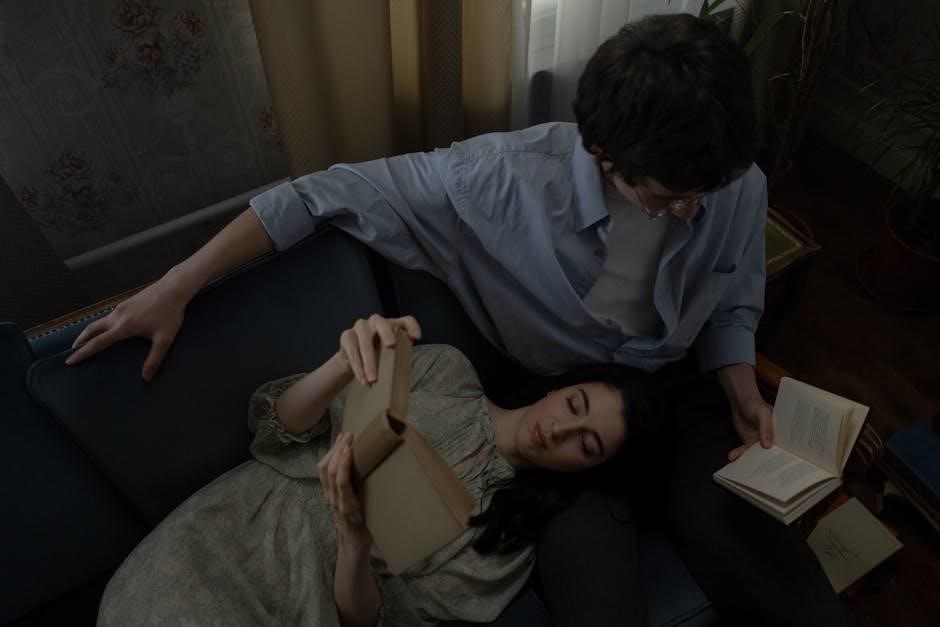
Orpheus and Eurydice experienced a brief, idyllic marriage, quickly shattered by tragedy when Eurydice suffered a fatal snakebite during their early happiness․
The Wedding of Orpheus and Eurydice
The union of Orpheus and Eurydice was celebrated as a testament to perfect harmony, mirroring the beautiful music Orpheus created․ He, the legendary musician and poet, captivated all with his enchanting melodies, and Eurydice, a maiden of exceptional grace, reciprocated his profound love․ Their wedding was a joyous occasion, filled with music, dancing, and the blessings of nymphs and woodland creatures․
The ceremony itself was a spectacle of natural beauty, held amidst lush meadows and flowing rivers, reflecting the couple’s deep connection to the natural world․ Accounts suggest their love blossomed quickly, with Orpheus serenading Eurydice with songs that echoed through the valleys, solidifying their bond․ This period represented a pinnacle of happiness for Orpheus, a time of complete fulfillment before the devastating events that would soon unfold, forever altering his destiny and inspiring countless retellings of their story․
Eurydice’s Death: The Snakebite Incident
Tragedy struck swiftly following the joyous wedding of Orpheus and Eurydice․ While enjoying their newfound happiness, Eurydice was pursued by Aristaeus, a minor deity known for his beekeeping and olive growing․ In her attempt to evade his unwanted advances, she fled across the Thracian countryside, unknowingly running into grave danger․
As she hurried through the meadows, Eurydice inadvertently stepped on a venomous snake, concealed within the tall grass․ The snake bit her ankle instantly, injecting a deadly poison into her system․ Despite Orpheus’s desperate attempts to save her, the venom proved too potent, and Eurydice succumbed to its effects, dying in his arms․ This sudden and heartbreaking loss plunged Orpheus into profound grief, setting in motion his perilous descent into the Underworld, driven by an unwavering desire to reclaim his beloved wife from the clutches of death․
Orpheus’s Grief and Initial Reaction
Devastated by Eurydice’s untimely death, Orpheus was consumed by an inconsolable grief that echoed throughout Thrace and beyond․ His sorrow was so profound that it surpassed any mortal lament, a testament to the depth of his love for his lost bride․ He refused solace, rejecting the comfort offered by nymphs and fellow musicians, utterly lost in his despair․

Initially paralyzed by anguish, Orpheus eventually resolved to defy the natural order and venture into the Underworld, the realm of Hades, to plead for Eurydice’s return․ Driven by an unwavering devotion, he believed his extraordinary musical talent – capable of charming even inanimate objects – might sway the hearts of the gods․ This audacious decision marked the beginning of his harrowing journey, a testament to the power of love and the lengths one would go to overcome even death itself, fueled by his immense loss․

The Descent to the Underworld

Orpheus embarked on a treacherous journey, utilizing his music to navigate the dark realms of Hades, hoping to reach Persephone and Hades and plead for Eurydice’s release․
The Journey Through the Realms of Hades
Orpheus’s descent into the Underworld was fraught with peril, a harrowing passage through layers of darkness and spectral guardians․ He skillfully navigated the treacherous landscape, his lyre his only companion and defense․ The journey began at the entrance, guarded by Cerberus, the multi-headed dog, whom Orpheus lulled into a peaceful slumber with his enchanting music․
He then traversed the fields of Asphodel, where the shades of ordinary mortals wandered aimlessly, and bypassed the river Styx, ferried by the grim Charon, offering a golden branch as payment․ The air grew heavy with sorrow and despair as he approached the palace of Hades and Persephone, a realm of eternal shadows and silent judgment․ Throughout this arduous journey, Orpheus’s unwavering love for Eurydice fueled his determination, his music echoing through the desolate lands, a beacon of hope in the heart of darkness․
Persuading Hades and Persephone
Orpheus, reaching the throne of Hades and Persephone, unleashed the full power of his music, a lament so profound and beautiful it moved even the gods of the Underworld․ His lyre wept with sorrow, recounting his love for Eurydice and the unbearable pain of her loss․ The melody resonated with the very essence of grief, a sound so captivating it stilled the hearts of the normally implacable rulers․
Hades, typically stern and unyielding, found himself touched by the depth of Orpheus’s despair, while Persephone, remembering her own forced abduction, empathized with his plight․ The music transcended the boundaries of life and death, appealing to their sense of justice and compassion․ Ultimately, they yielded to his plea, granting Eurydice’s return under one crucial condition – a test of faith that would determine their reunion․
The Condition for Eurydice’s Return
Hades, moved by Orpheus’s impassioned plea and enchanting music, agreed to release Eurydice from the Underworld, but imposed a single, agonizing condition․ Orpheus was permitted to lead Eurydice back to the world of the living, however, he must not look back at her until they both had fully emerged into the sunlight․
This stipulation served as a test of Orpheus’s faith and trust․ Any glance backward, fueled by doubt or impatience, would result in Eurydice being irrevocably returned to the shadows, lost forever․ The journey was to be undertaken in complete darkness and reliance on faith alone․ Orpheus, burdened by this immense pressure, reluctantly accepted the terms, desperate to reclaim his beloved, knowing a single moment of weakness could shatter his hopes․

The Ascent and the Fatal Mistake
Orpheus, nearing the mortal world, succumbed to doubt and anxiously glanced back at Eurydice, tragically causing her immediate and final descent back into the Underworld․
The Rules of the Return Journey
Hades, moved by Orpheus’s extraordinary musical talent and profound grief, agreed to release Eurydice, but under a single, crucial condition that tested the limits of faith and trust․ Orpheus was permitted to lead Eurydice out of the Underworld, back to the land of the living, but he was strictly forbidden from looking back at her until they both had fully emerged into the sunlight․
This condition was not merely a test of obedience; it represented a fundamental challenge to Orpheus’s ability to relinquish control and surrender to the unknown․ The journey was arduous, a slow and agonizing ascent through the dark and winding passages of the Underworld․ Orpheus, walking ahead, could hear Eurydice’s footsteps behind him, but he dared not confirm her presence with a glance, fearing the consequences of disobedience․
The silence and uncertainty were almost unbearable, fueling his anxieties and eroding his confidence with each step․ The rule underscored the themes of fate and the delicate balance between hope and despair, setting the stage for the tragic climax of the myth․
Orpheus’s Doubt and the Look Back
As Orpheus neared the exit to the mortal world, the agonizing suspense became overwhelming․ Though he could still faintly hear Eurydice’s footsteps, doubt began to consume him․ Was she truly following? Had Hades deceived him, allowing only the sound of her presence to torment him? The uncertainty gnawed at his resolve, amplifying his fear of losing her again․
Driven to the brink by his anxiety, and just before fully stepping into the sunlight, Orpheus succumbed to temptation․ He glanced back, desperate for visual confirmation of his beloved’s presence․ In that fleeting moment, his hope shattered․ Eurydice was indeed there, but the act of looking back instantly severed her connection to the world of the living․
The myth emphasizes this as a pivotal moment, a tragic consequence of human fallibility․ Orpheus’s lack of faith, his inability to trust in the process, resulted in the irreversible loss of his wife, solidifying the story’s enduring message about the power of doubt․
Eurydice’s Second Death and Disappearance
The instant Orpheus turned to gaze upon Eurydice, she began to fade․ It wasn’t a violent or dramatic demise, but a gradual dissolution, as if she were a dream dissolving with the dawn․ Her form flickered, becoming translucent, and a mournful whisper escaped her lips – a final, heartbreaking farewell carried on the winds of the Underworld․
She didn’t cry out in pain or accuse him of betrayal; instead, a profound sadness enveloped her as she slipped back into the shadows․ With each passing second, she receded further, drawn inexorably back into the realm of Hades, this time without any hope of return․
Her disappearance was complete and absolute․ No trace remained, no lingering echo of her presence․ Orpheus was left standing alone, enveloped in darkness, the sound of her fading footsteps the last vestige of his lost love, a chilling reminder of his fatal mistake and enduring grief․

Aftermath and Orpheus’s Fate
Orpheus, consumed by grief after losing Eurydice again, wandered the earth lamenting his loss․ He ultimately met a violent end at the hands of the Maenads․
Orpheus’s Lament and Wandering
Following Eurydice’s second and final disappearance, Orpheus was utterly devastated, his grief echoing through the lands․ He abandoned all societal connections, rejecting the company of humans and choosing instead to wander the wilds, a solitary figure consumed by sorrow․ His music, once filled with joy celebrating his love, transformed into haunting laments, expressing his profound loss and despair․
He roamed across Thrace, Illyria, and even as far as Italy, his lyre his only companion․ The melodies he played were so sorrowful and moving that they could bring even the fiercest beasts to tears and compel trees to weep sap․ Rivers altered their course to listen to his mournful songs, and mountains echoed with his pain․
Orpheus’s wandering wasn’t merely aimless; it was a desperate attempt to escape the pain, to find solace in isolation, and perhaps, a way to reconnect with the lost echo of his beloved Eurydice․ He rejected the advances of those who offered comfort, for none could fill the void she left behind․
His Death: The Maenads and Dismemberment
Orpheus’s rejection of women, stemming from his inconsolable grief over Eurydice, ultimately led to his tragic demise․ He spurned the advances of the Maenads, the frenzied female followers of Dionysus, enraging them with his disdain․ During their ecstatic, wild rituals, fueled by wine and divine madness, the Maenads turned their fury upon the wandering musician․
Driven into a frenzy, they tore Orpheus apart limb from limb, his body scattered across the landscape․ His head, still reciting mournful verses even in death, and his lyre, were cast into the river Hebrus, carried downstream to the sea․ The riverbank where his body was dismembered was said to forever weep․

This brutal end, a consequence of his unwavering devotion and sorrow, highlights the dangers of unchecked passion and the consequences of rejecting the divine forces of nature․ It’s a stark and violent conclusion to the tale of the legendary musician․
The Reunion of Orpheus and Eurydice in Elysium
Despite the agonizing finality of Eurydice’s second death, the story doesn’t entirely end in despair․ Following Orpheus’s violent demise at the hands of the Maenads, both he and Eurydice were ultimately reunited, not in the world of the living, but in the blissful fields of Elysium․

Elysium, reserved for heroes and the virtuous, offered a haven of peace and eternal happiness․ Here, the gods granted Orpheus and Eurydice the lasting companionship they were denied in life․ Their shared suffering and unwavering love earned them a place amongst the blessed, a testament to the power of their bond․
This reunion provides a glimmer of hope within the tragedy, suggesting that even in the face of loss and heartbreak, true love can transcend death․ It’s a comforting resolution, affirming the enduring nature of their connection in the afterlife, a reward for their devotion․

Interpretations and Modern Adaptations
Orpheus and Eurydice’s tale explores themes of love, loss, and faith, inspiring psychological analyses and contemporary retellings like the 2024 film adaptation;
Themes of Love, Loss, and Faith
The myth of Orpheus and Eurydice profoundly explores the devastating power of loss and the enduring strength of love․ Orpheus’s descent into the Underworld isn’t merely a rescue mission; it’s a testament to his unwavering devotion to Eurydice, a love so profound it compels him to challenge the boundaries between life and death․
However, the story also grapples with the fragility of hope and the inevitability of fate․ Despite Hades’s concession, the condition imposed – not looking back – highlights the importance of faith and trust․ Orpheus’s ultimate failure, driven by doubt, underscores the destructive nature of insecurity and the painful consequences of succumbing to fear․
Furthermore, the narrative delves into the complexities of grief and the lengths to which individuals will go to reclaim what has been lost․ Orpheus’s lament and subsequent wandering symbolize the enduring pain of bereavement and the search for solace in a world forever altered by loss․ The myth resonates because it taps into universal human experiences, offering a poignant reflection on the enduring power of love, the sting of loss, and the necessity of faith, even in the face of overwhelming despair․
Psychological Interpretations of the Myth
Psychologically, the tale of Orpheus and Eurydice offers rich ground for analysis․ Orpheus’s journey can be viewed as an externalization of internal struggles with grief, anxiety, and the fear of abandonment․ His music represents a creative outlet for processing intense emotions, a way to momentarily control a chaotic world․
Eurydice’s death and subsequent retrieval symbolize the attempt to resurrect lost aspects of the self or to deny the reality of loss․ The condition of not looking back embodies the anxieties surrounding trust and the fear of confronting painful truths․ Orpheus’s fatal glance can be interpreted as a self-sabotaging act, driven by an unconscious need to confirm his fears․
Furthermore, the myth explores themes of obsession and the dangers of fixating on the past․ Orpheus’s inability to move forward after losing Eurydice highlights the destructive nature of unresolved grief․ Modern psychological readings often frame the story as a cautionary tale about the importance of acceptance, self-compassion, and the necessity of letting go to achieve emotional healing and find peace․
Modern Retellings: Film (2024) and Literature
The enduring power of the Orpheus and Eurydice myth continues to inspire contemporary adaptations across various media․ The 2024 film, while retaining core elements, reinterprets the story within a modern context, often focusing on themes of loss, memory, and the complexities of relationships․ These retellings frequently explore the psychological toll of grief and the challenges of navigating the underworld of personal trauma․
In literature, numerous novels and poems reimagine the myth, offering fresh perspectives on the characters and their motivations․ Some adaptations shift the narrative focus to Eurydice, giving voice to her experience and challenging traditional interpretations․ Others explore alternative outcomes, questioning the inevitability of tragedy․
These modern versions demonstrate the myth’s adaptability and its continued relevance to contemporary audiences, proving its capacity to resonate with universal human experiences․ They often serve as allegories for navigating personal struggles and confronting the inevitability of change and loss, ensuring the story’s longevity․