patagonia alpine guide pants
Conquer any trail with Patagonia Alpine Guide Pants! Durable, weather-resistant, and designed for peak performance. Find your perfect fit & explore the outdoors!
Patagonia Alpine Guide Pants: A Comprehensive Review
Patagonia’s Alpine Guide Pants are highly regarded for mountaineering and various alpine pursuits, offering a blend of durability and weather protection.
Many users praise their quick-drying capabilities, as demonstrated during snowshoeing and even accidental stream immersions!
Considering alternatives, Mountain Equipment and Haglofs trousers receive positive mentions, while Arcteryx faces criticism regarding glue usage and European warranty support.
Mammut stands out for its extensive sizing options, catering to diverse body types with both length and waist-specific fits.
Patagonia’s Alpine Guide Pants represent a cornerstone in their technical apparel line, designed specifically for demanding alpine environments. These trousers aren’t merely hiking pants; they’re engineered for serious mountaineering, ice climbing, and backcountry adventures where performance and protection are paramount.
User feedback highlights their versatility, suitable for everything from snowshoeing to winter camping. The pants aim to bridge the gap between softshell flexibility and hardshell weather resistance. Many appreciate the quick-drying properties, crucial when facing unpredictable mountain conditions.
Choosing the right alpine pants involves careful consideration, and the Patagonia model consistently appears in discussions alongside competitors like Arcteryx, Rab, and Mountain Equipment.
What are Alpine Guide Pants and Why Choose Them?
Alpine Guide Pants are specialized softshell trousers built for technical mountain terrain. They prioritize freedom of movement, breathability, and weather resistance – crucial for activities like mountaineering and ice climbing. Unlike standard hiking pants, they often feature articulation and reinforcement in high-wear areas.
Choosing them means prioritizing performance over casual comfort. Users seek quick-drying fabrics and durable construction, as evidenced by positive experiences with Patagonia’s model in snowy and wet conditions. Avoiding overly narrow leg designs is key, ensuring ample space for layering and high-stepping.
Key Features of the Patagonia Alpine Guide Pants
Patagonia’s pants boast durable materials, articulated fits for mobility, and strategic reinforcement. Key aspects include water resistance, breathability, and a thoughtfully designed pocket configuration for accessibility.
Material Composition and Durability
Patagonia Alpine Guide Pants prioritize robust construction for demanding conditions. While specific material details weren’t explicitly provided, user feedback suggests a focus on durable fabrics capable of withstanding rugged terrain. Some users prefer alternatives like Mountain Equipment or Haglofs, noting slight quality advantages, but Patagonia maintains a strong reputation.
The pants are designed to endure abrasion and repeated use, essential for alpine activities. Avoiding excessively narrow leg designs is crucial, ensuring freedom of movement and the ability to layer thermal wear underneath. Overall, the material composition aims for a balance between weight, durability, and performance.
Water Resistance and Breathability
Patagonia Alpine Guide Pants demonstrate commendable water resistance, as evidenced by user experiences involving snow and accidental submersion in streams – drying remarkably quickly. While not explicitly waterproof, the fabric effectively sheds moisture, crucial for alpine environments. Breathability is also a key consideration, preventing overheating during high-exertion activities.
Comparing to competitors, Arcteryx’s Alpha Comp and Sigma AR models are highlighted for varied wet and colder conditions. Achieving optimal balance between water resistance and breathability is vital, allowing for comfort during diverse alpine pursuits.
Articulated Fit for Mobility
Patagonia Alpine Guide Pants prioritize freedom of movement with their articulated fit, essential for technical alpine climbing and traversing rugged terrain. A crucial warning emphasizes avoiding overly narrow leg designs, as these can restrict high-stepping and layering with thermal underwear.
Mobility is paramount; the pants must accommodate a full range of motion without binding. User feedback suggests a comfortable and unrestricted experience, enabling efficient movement during demanding activities. Considering alternatives, proper fit is key – trying on various sizes is recommended.
Reinforced Areas for Enhanced Protection
Patagonia Alpine Guide Pants likely incorporate reinforced areas – though specifics aren’t detailed in provided text – to withstand abrasion from rock, ice, and rugged terrain. Durability is a key consideration when selecting alpine apparel, and reinforced zones contribute significantly to longevity.
Compared to competitors like Mountain Equipment, quality may vary slightly, but reinforced areas are crucial. Avoiding pants with excessive glue, like some Arcteryx models, might also indicate better construction. Protection against the elements and wear-and-tear is vital for alpine adventures.
Design and Functionality
Patagonia’s pants feature a practical pocket configuration – hip, rear, and thigh pockets – enhancing accessibility. Avoiding narrow leg designs is crucial for freedom of movement during high steps.
Pocket Configuration and Accessibility
Patagonia Alpine Guide Pants boast a thoughtfully designed pocket system catering to alpine needs. Users consistently highlight the presence of two accessible hip pockets, providing convenient storage for essential items during activity. A rear pocket offers secure space for smaller valuables, while a single thigh pocket adds versatility for maps or tools.
This configuration balances practicality with streamlined design, ensuring gear remains readily available without hindering movement. The pocket placement considers layering and harness compatibility, a crucial aspect for mountaineering and climbing applications. Accessibility is clearly a priority in the pants’ overall functionality.
Waist Adjustment System
Patagonia Alpine Guide Pants feature a robust waist adjustment system designed for a secure and comfortable fit, even with varying layers. While specific details aren’t extensively detailed in available user feedback, the importance of a well-fitting waist is emphasized when considering alpine trousers generally.
Users advise ensuring a snug, yet unrestricted, fit to avoid issues during high-stepping or when wearing thermal base layers. A functional waist adjustment is critical for maintaining freedom of movement and preventing slippage during strenuous activity. Proper fit is paramount, as noted in sizing discussions.
Ankle Adjustments and Boot Compatibility
Patagonia Alpine Guide Pants’ functionality hinges on effective ankle adjustments and seamless boot compatibility, crucial for alpine pursuits. User feedback highlights a critical warning: beware of excessively narrow leg designs. These can hinder high-stepping and restrict layering thermal underwear underneath – essential for cold-weather climbing.
A well-designed ankle adjustment system allows a secure fit over mountaineering boots, preventing snow ingress and ensuring optimal movement. The ability to customize the fit around the boot cuff is vital for comfort and performance in challenging alpine environments.
Gusseted Crotch for Freedom of Movement
Patagonia Alpine Guide Pants prioritize unrestricted movement with a strategically designed gusseted crotch. This feature is paramount for activities demanding a full range of motion, such as scrambling, climbing, and traversing steep terrain. A gusset eliminates binding and chafing, enhancing comfort during dynamic movements.
User experiences emphasize the importance of avoiding overly restrictive pant designs. The gusseted construction ensures the ability to high-step effectively, a critical skill in alpine environments, and accommodates layering without compromising mobility.
Comparing Patagonia Alpine Guide Pants to Competitors
Patagonia faces competition from brands like Arcteryx, Rab, Mountain Equipment, Norrona, and Mammut, each offering unique features and fits for alpine pursuits.
Patagonia vs. Arcteryx Alpine Pants
Arcteryx alpine pants, like the Alpha Comp and Sigma AR, are frequently compared to Patagonia’s offerings. However, some users express reservations about Arcteryx, specifically citing excessive glue application in their construction.
More critically, concerns have been raised regarding the quality of Arcteryx’s warranty service within Europe, potentially impacting long-term ownership satisfaction. While Arcteryx provides technical features, the perceived warranty limitations and construction details differentiate it from Patagonia’s approach;
Ultimately, the choice depends on individual priorities regarding warranty support and construction preferences.
Patagonia vs. Rab Alpine Pants
Rab alpine pants, while generally considered good quality, have recently faced criticism regarding inconsistent sizing. Some users report that Rab’s sizing has become unpredictable, making it difficult to find a reliable fit. This contrasts with Patagonia’s generally more consistent sizing charts.
Despite this, Rab trousers remain a viable option for many, but potential buyers should be prepared for possible sizing challenges. The fit issues noted suggest a need for careful consideration and potentially ordering multiple sizes for comparison.
Patagonia vs. Mountain Equipment Alpine Pants
Mountain Equipment (ME) alpine pants are frequently mentioned as a strong competitor to Patagonia, often praised for offering a good balance of performance and value. While Patagonia is lauded for its overall quality, some find Mountain Equipment trousers to be a more affordable alternative without significant compromise.
However, it’s noted that the quality of Mountain Equipment pants might be slightly less refined than Patagonia’s. Despite this, ME pants remain a popular choice, particularly for those seeking a reliable option at a lower price point.
Patagonia vs. Norrona Alpine Pants
Norrona alpine pants are recognized for their excellent quality, but they present sizing challenges for some individuals. A common issue is that Norrona’s sizing tends to run larger and is geared towards taller body types, potentially leaving those with average builds struggling to find a proper fit.
Compared to Patagonia, which generally offers a more standardized and accessible fit, Norrona requires more careful consideration and potentially alterations. Despite their superior construction, this sizing limitation can deter some buyers.
Patagonia vs. Mammut Alpine Pants
Mammut distinguishes itself with a remarkably inclusive sizing system, offering pants not only in varying lengths but also categorized by waist width – 30, 32, 34 inches, and beyond – instead of relying solely on standard S/M/L designations. This granular approach caters to a wider range of body types, a significant advantage over Patagonia’s more conventional sizing.
Users appreciate Mammut’s ability to provide a precise fit, exemplified by a 5’10”, 165lb individual comfortably wearing a 32 regular. Mammut also boasts excellent quality construction.
Sizing and Fit Considerations
Patagonia sizing requires careful attention; Mammut offers more granular waist sizing (30, 32, 34 inches) alongside length options for a precise fit.
Understanding Patagonia’s Sizing Chart
Patagonia’s sizing can be tricky, often prompting recommendations to try on multiple sizes, even within the same style. Unlike Mammut’s specific waist measurements (30, 32, 34 inches), Patagonia primarily uses S/M/L designations, which can vary significantly.
It’s crucial to consult their official sizing chart, paying close attention to both waist and inseam measurements. Some users find Patagonia runs slightly small, suggesting sizing up, especially if layering with thermal base layers. Considering length, options typically include regular, short, and long, catering to different heights.
However, a common suggestion is to purchase a well-fitting pair during a sale, then acquire another for redundancy, highlighting potential sizing challenges and the value of having a backup.
Fit for Different Body Types
Patagonia Alpine Guide Pants aim for an articulated fit, accommodating movement, but individual body types require consideration. Those with broader builds might find the standard fit restrictive, potentially needing to size up for comfortable layering. Conversely, slimmer individuals may prefer a more tailored look, potentially requiring alterations.
A common concern is leg width; avoid excessively narrow cuts hindering high-stepping or thermal wear. Individuals around 5’10” and 165lbs, like one user, may find a 32 regular from brands like Mammut suitable, suggesting Patagonia’s sizing might differ.
Prioritizing trying on various sizes is vital for optimal fit.
Length Options and Adjustments
Patagonia Alpine Guide Pants typically offer varying inseam lengths – regular, short, and long – to accommodate different heights. However, finding the perfect length can be tricky, as noted with Norrona trousers often being suited for taller individuals.
Users suggest checking sizing charts carefully, as brands like Mammut provide more granular options, including waist and length specifications (e.g., 30, 32, 34 waist).
Ankle adjustments are crucial for a secure fit over boots, preventing snow entry and ensuring freedom of movement during alpine activities.
Real-World Performance and User Experiences
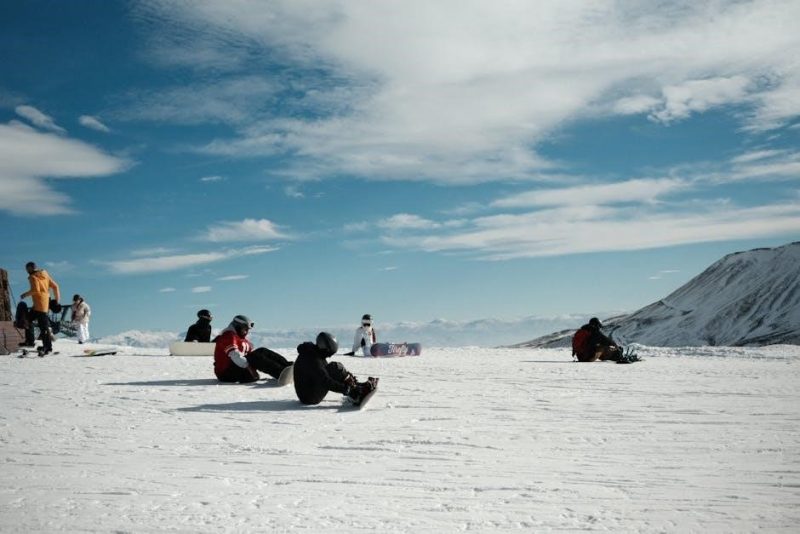
Patagonia Alpine Guide Pants excel in snowy and wet conditions, quickly shedding moisture and providing reliable protection during activities like snowshoeing and winter camping.
Performance in Snow Conditions
Patagonia Alpine Guide Pants demonstrate exceptional performance when navigating snowy environments. User feedback consistently highlights their ability to effectively shed snow, preventing moisture buildup and maintaining warmth. This is crucial for activities like mountaineering, ice climbing, and backcountry skiing where exposure to snow is inevitable.
The pants’ durable water repellent (DWR) finish contributes significantly to this performance, ensuring that snow doesn’t saturate the fabric. Several users specifically mention successful experiences during snowshoeing and winter camping, confirming their reliability in challenging, snowy conditions.
They allow for freedom of movement even in deep powder.
Performance in Wet Conditions
Patagonia Alpine Guide Pants excel in wet conditions, offering reliable protection against rain, sleet, and even accidental submersion. A user’s experience of falling into a stream and the pants drying “incredibly quick” underscores their impressive moisture-wicking and fast-drying capabilities.
While not fully waterproof, the DWR finish and fabric composition effectively repel water, keeping the wearer comfortable during prolonged exposure. This makes them suitable for activities like alpine climbing and hiking in unpredictable weather.
Their performance surpasses expectations in damp environments.
Durability in Rugged Terrain
Patagonia Alpine Guide Pants demonstrate commendable durability, crucial for navigating challenging alpine environments. While some brands, like Mountain Equipment, are noted as slightly less durable, Patagonia maintains a strong reputation for withstanding abrasion against rocks and rough surfaces.
The reinforced areas contribute significantly to their longevity, protecting high-wear zones from damage. User feedback suggests these pants can endure demanding conditions, making them a reliable choice for mountaineering and extended backcountry trips.
They are built to last.
Care and Maintenance
Patagonia recommends following specific washing instructions to preserve the pants’ performance. Proper drying is also key, and storing them correctly will maximize their lifespan and functionality.
Washing Instructions
Patagonia advises washing the Alpine Guide Pants inside out in cool water, utilizing a mild detergent. Avoid using bleach or fabric softeners, as these can compromise the fabric’s performance and durability. A gentle cycle is recommended to minimize wear and tear on the reinforced areas and articulated fit.
Resist the temptation to over-wash; clean only when necessary to maintain the water-repellent finish. Frequent washing can diminish this crucial protective layer. Ensure all zippers are closed before washing to prevent snagging or damage to the surrounding material.
Drying Recommendations
Patagonia recommends tumble drying the Alpine Guide Pants on a low heat setting. However, air drying is always the gentlest option and will prolong the life of the garment. Avoid direct sunlight during air drying, as UV exposure can fade colors and potentially weaken the fabric over time.
Do not iron the pants, as the heat can damage the durable water repellent (DWR) finish. If you must expedite drying, a short tumble on low heat followed by air drying is acceptable. Ensure the pants are completely dry before storing them.
Storage Guidelines
Patagonia advises storing the Alpine Guide Pants in a cool, dry, and well-ventilated area. Avoid prolonged storage in damp or humid conditions, as this can compromise the DWR finish and potentially lead to mildew. Ensure the pants are completely dry before storing them to prevent any unwanted odors or fabric degradation.
Store them loosely folded or hung to maintain their shape. Avoid tightly packing them with other items, as this can cause wrinkles and potentially damage the fabric. Proper storage will maximize the longevity of your investment.
Price and Value
Patagonia Alpine Guide Pants represent a significant initial investment, but their durability and performance suggest long-term value.
Seeking sales after finding the best fit can optimize cost-effectiveness.
Initial Cost Analysis
Patagonia Alpine Guide Pants typically fall within a higher price bracket compared to many competitors, often ranging from $300 to $400 depending on the retailer and any ongoing promotions. This upfront cost reflects the brand’s commitment to quality materials and ethical manufacturing practices. While budget-friendly alternatives exist, they often compromise on durability or technical features.
Considering the investment, it’s wise to explore options for purchasing during sales periods to potentially reduce the initial expenditure. Comparing prices across different online and brick-and-mortar retailers is also recommended to secure the best possible deal.
Long-Term Value Assessment
Despite the higher initial investment, Patagonia Alpine Guide Pants demonstrate strong long-term value due to their exceptional durability. User reports highlight their resilience in rugged terrain and resistance to wear and tear, potentially lasting for several seasons with proper care.
Furthermore, Patagonia’s commitment to repair and sustainability extends the lifespan of their products. Investing in a second pair during sales, as suggested by experienced users, mitigates risk and ensures continued access to reliable alpine wear. This longevity offsets the initial cost.
Who are these Pants For?
Patagonia Alpine Guide Pants suit mountaineers, ice climbers, and winter adventurers needing robust, weather-resistant trousers. They’re ideal for intermediate to advanced skill levels seeking performance.
Ideal Activities
Patagonia Alpine Guide Pants excel in demanding alpine environments. They are perfectly suited for general mountaineering, offering protection during varied conditions, from snowy ascents to mixed terrain climbs. Specifically, the Alpha Comp model shines in wetter and colder scenarios, while the Sigma AR is designed for ice and mixed climbing where colder temperatures prevail.
Beyond climbing, these pants are excellent for snowshoeing, winter camping, and backcountry skiing. Their durability and water-shedding capabilities make them reliable for rugged terrain and unexpected weather changes. They are a versatile choice for anyone frequently venturing into challenging mountain landscapes.
Skill Level Recommendation
Patagonia Alpine Guide Pants cater to a broad spectrum of skill levels, though they truly benefit those engaging in more technical alpine activities. Beginners venturing into winter landscapes will appreciate the weather protection and durability. However, intermediate to advanced mountaineers will fully unlock their potential.
Experienced climbers tackling ice or mixed routes will find the specialized models, like the Sigma AR, invaluable. The articulated fit and reinforced areas are crucial for demanding maneuvers. While accessible to newcomers, the pants’ features are most advantageous for those pushing their limits in challenging terrain.
Alternatives to the Patagonia Alpine Guide Pants
Mountain Equipment and Haglofs offer compelling alternatives, while Rab’s sizing has shifted. Norrona excels but fits taller builds, and Mammut provides varied sizing options;
Similar Pants from Other Brands
Several brands present viable alternatives to the Patagonia Alpine Guide Pants, each with unique strengths. Arcteryx’s Alpha Comp and Sigma AR pants are favored for general mountaineering and colder, wetter conditions, respectively, though warranty concerns exist.
Mountain Equipment trousers are noted for good quality at a lower price point, while Haglofs provides a solid option, though less comprehensive range beyond the pants themselves. Rab pants are generally acceptable, despite recent sizing inconsistencies.
Mammut distinguishes itself with extensive sizing, including waist-specific options, catering to a broader range of body types. These brands offer comparable features and performance for alpine activities.
Budget-Friendly Options
For those seeking alternatives without the Patagonia price tag, Mountain Equipment trousers emerge as a strong contender, offering good quality at a comparatively lower cost. While potentially sacrificing some premium features, they deliver reliable performance for most alpine activities.
Exploring sales and discounts on previous seasons’ models from various brands – including Rab and Haglofs – can also unlock significant savings. Prioritizing fit and essential features over brand prestige can yield substantial cost reductions.
Remember, a well-fitting, functional pant from a less expensive brand often outperforms a poorly fitted, high-end option.
Where to Buy
Patagonia Alpine Guide Pants are available at official Patagonia retail stores and through numerous online retailers, offering convenience and potential sales opportunities.
Patagonia Retail Stores
Patagonia operates its own retail locations in many major cities and popular outdoor destinations. Visiting a Patagonia store allows for a personalized shopping experience, where knowledgeable staff can assist with sizing and provide detailed product information regarding the Alpine Guide Pants.
You can physically examine the materials, try on different sizes to ensure a proper fit, and discuss specific needs with experts. These stores often host events and workshops related to alpine activities, enhancing the overall customer experience. Check the official Patagonia website for a store locator to find the nearest location.
Online Retailers
Beyond Patagonia’s official website, numerous online retailers carry the Alpine Guide Pants, offering convenience and often competitive pricing. Popular options include REI, Backcountry.com, and Moosejaw. These platforms frequently feature customer reviews, providing valuable insights into real-world performance and fit.
Comparing prices across different retailers is advisable to secure the best deal. Be mindful of shipping costs and return policies when purchasing online. Ensure the retailer is authorized to sell Patagonia products to guarantee authenticity and warranty coverage.
Are the Patagonia Alpine Guide Pants Worth It?
Patagonia’s Alpine Guide Pants consistently receive positive feedback for their versatility and performance in demanding conditions. While alternatives from brands like Mountain Equipment and Mammut offer compelling options, Patagonia strikes a strong balance between durability, weather resistance, and fit.
Considering the initial investment, the long-term value is substantial for serious alpine enthusiasts. However, individuals prioritizing budget options may explore alternatives. Ultimately, the “worth” depends on your specific needs and frequency of use, but these pants are a solid choice.