
smartwool washing instructions
Love your Smartwool? Don't ruin it! Our simple guide covers washing, drying, & everything you need to keep your merino wool feeling fantastic. Learn how!
Smartwool Washing Instructions: A Comprehensive Guide
Smartwool garments, crafted from premium Merino wool, demand specific care to maintain their performance and longevity; understanding these washing instructions is crucial.
Understanding Smartwool Fabric
Smartwool’s exceptional performance stems from its core material: Merino wool. Unlike traditional wool, Merino fibers are incredibly fine, resulting in a fabric that’s remarkably soft, not itchy. This natural fiber boasts inherent properties like breathability, allowing moisture vapor to escape and keeping you comfortable during activity.
Furthermore, Merino wool is naturally odor-resistant, reducing the need for frequent washing. The fabric’s crimped structure creates tiny air pockets, providing excellent insulation even when wet. Smartwool often blends Merino wool with synthetic fibers, like nylon or polyester, to enhance durability, elasticity, and drying time. Recognizing this fabric composition is key to proper care, ensuring your Smartwool items remain in peak condition for years to come.
The Benefits of Merino Wool
Merino wool offers a wealth of advantages, making Smartwool garments a superior choice for outdoor enthusiasts and everyday wear. Its natural breathability regulates body temperature, keeping you cool in warm conditions and warm when it’s cold. Unlike synthetics, Merino wool actively manages moisture, wicking sweat away from the skin for enhanced comfort.
A significant benefit is its inherent odor resistance, reducing the frequency of washing needed. This is due to the wool’s ability to inhibit bacterial growth. The fiber’s softness eliminates the itchiness associated with traditional wool, ensuring a pleasant feel against the skin. Moreover, Merino wool is a renewable and sustainable resource, making Smartwool a responsible choice. Understanding these benefits underscores the importance of proper care to preserve these qualities.
Why Proper Washing Matters for Smartwool
Incorrect washing can significantly diminish the performance and lifespan of your Smartwool clothing. Harsh detergents and high heat can damage the delicate Merino wool fibers, leading to shrinkage, loss of elasticity, and pilling. Aggressive agitation during the wash cycle can also contribute to fiber breakdown, compromising the garment’s shape and insulating properties.
Furthermore, improper care can reduce the wool’s natural odor resistance and breathability. Using fabric softener coats the fibers, hindering their ability to wick moisture and regulate temperature. By adhering to recommended washing instructions, you protect your investment and ensure your Smartwool items continue to deliver optimal comfort, performance, and durability for years to come.

Decoding Laundry Symbols on Smartwool Labels
Smartwool labels utilize universal laundry symbols to convey essential care instructions; understanding these icons ensures proper cleaning and garment preservation.
Wash Symbols: Temperature and Cycle
Smartwool’s wash symbols primarily indicate water temperature and the appropriate machine cycle. Generally, a cold-water wash is recommended – often depicted as a bucket filled with water and a temperature setting of 30°C (86°F) or lower. This minimizes the risk of shrinking or damaging the delicate Merino wool fibers.
The cycle symbol usually features a tub of water. For Smartwool, a gentle or delicate cycle is almost always advised, represented by a tub with hand(s) inside or a single swirling line. Avoid harsh agitation, as it can cause pilling and wear. Some labels may show a “permanent press” setting, which is acceptable, but always prioritize the gentlest option available on your machine. Ignoring these symbols can significantly reduce the lifespan and performance of your Smartwool clothing.
Drying Symbols: Methods to Avoid
Smartwool drying symbols are critical for preserving garment integrity. A square with a circle inside represents machine drying, but often features a cross through it – indicating that tumble drying is strictly prohibited. Heat is particularly damaging to Merino wool, causing shrinkage and fiber breakdown.
Symbols depicting a line inside the square suggest tumble drying on a low heat setting, but air drying is always the preferred method. A flat drying symbol, shown as a square with a horizontal line, means laying the garment flat to dry, preventing stretching. Avoid direct sunlight, which can fade colors. Never use a clothes dryer unless the label explicitly permits low-heat drying; otherwise, you risk irreversible damage to your Smartwool items.
Ironing and Bleaching Symbols: What to Skip
Smartwool garments generally require minimal ironing, and the care labels often display an ironing symbol with a cross through it – meaning ironing should be avoided altogether. The natural elasticity of Merino wool helps it retain its shape, reducing the need for ironing. If absolutely necessary, use the lowest heat setting and iron inside out, placing a pressing cloth between the iron and the fabric.
Bleaching is a definitive no-no for Smartwool. The bleaching symbol, a triangle, will almost always be crossed out. Bleach can severely damage the delicate wool fibers, causing discoloration and weakening the fabric. Opt for gentle, wool-specific detergents to address any stains or odors. Harsh chemicals will compromise the performance and lifespan of your Smartwool clothing, so always prioritize gentle care methods.
Step-by-Step Washing Instructions
Smartwool requires preparation, selecting a gentle detergent, and choosing the correct washing method – either machine or hand washing – for optimal results.
Preparing Your Smartwool Items for Washing
Before introducing your Smartwool garments to the washing machine, meticulous preparation is key to preserving their quality. Begin by turning each item inside out; this protects the outer fibers from abrasion and pilling during the wash cycle.
Next, secure any zippers or closures, like Velcro, to prevent them from snagging on other fabrics. For items with delicate embellishments, consider placing them inside a mesh laundry bag for added protection.
Inspect the garments for any stubborn stains or dirt. Pre-treating these areas with a mild detergent can significantly improve cleaning results. However, avoid harsh chemicals or bleach, as these can damage the Merino wool fibers. Finally, separate your Smartwool items from other laundry, especially items with rough textures or zippers, to minimize friction and potential damage.
Choosing the Right Detergent
Selecting the appropriate detergent is paramount when washing Smartwool. Harsh chemicals and enzymes found in many conventional detergents can strip the natural oils from Merino wool, diminishing its softness, breathability, and odor-resistant properties.
Opt for a detergent specifically formulated for wool or delicate fabrics. These are typically pH-neutral and free of harsh ingredients like bleach, brighteners, and fabric softeners.
Liquid detergents are generally preferred over powder detergents, as powders may not dissolve completely and can leave residue on the fibers.
Furthermore, use only a small amount of detergent – approximately one to two tablespoons – as Merino wool doesn’t require heavy cleaning. Overusing detergent can lead to buildup and reduce the garment’s performance.
Machine Washing Smartwool: Best Practices
When machine washing Smartwool, prioritize a gentle approach to preserve its delicate fibers. Always turn garments inside out before loading them into the washing machine; this minimizes abrasion and pilling. Utilize a mesh laundry bag for added protection, especially for smaller items like socks and base layers.
Select the delicate or wool cycle on your washing machine, using cold water – warm or hot water can cause shrinkage and damage. Avoid using high spin speeds, as these can also be detrimental to the fabric’s structure.
Remember to use a detergent specifically designed for wool or delicate fabrics, and employ only a small amount.
Finally, avoid washing Smartwool with abrasive items like jeans or items with zippers, which can cause snagging and wear.
Hand Washing Smartwool: A Gentle Approach
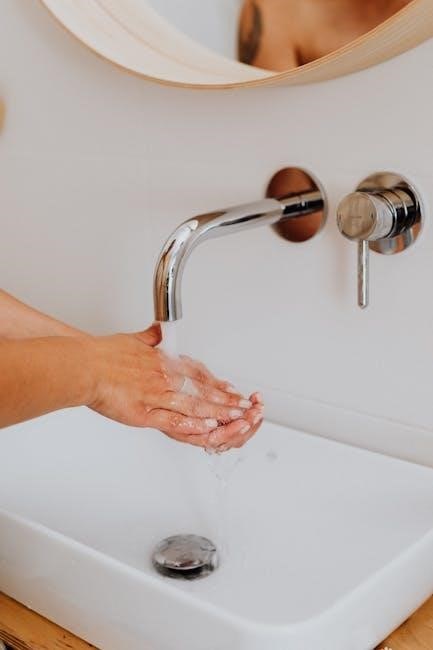
For the most delicate Smartwool items, or when you prefer a truly gentle clean, hand washing is ideal. Begin by filling a clean sink or basin with cool or lukewarm water. Add a small amount of wool-specific detergent, ensuring it’s fully dissolved before introducing your garment.
Gently submerge the Smartwool item and swirl it around in the water, avoiding any harsh scrubbing or twisting. Allow it to soak for approximately 10-15 minutes.
Rinse thoroughly with cool, clean water until all traces of detergent are removed.
Crucially, avoid wringing the garment, as this can distort its shape and damage the fibers. Instead, gently press out excess water. Lay the item flat on a clean towel and roll it up to absorb further moisture.
Drying Your Smartwool Clothing
Smartwool drying requires careful attention to preserve fiber integrity; proper techniques prevent shrinkage and maintain garment shape, extending its useful life considerably.
Air Drying vs. Machine Drying
Air drying is overwhelmingly recommended for Smartwool garments, as it’s the gentlest method, minimizing the risk of damage and preserving the fabric’s natural elasticity. Laying items flat on a clean, dry towel or utilizing a drying rack allows for even drying and prevents stretching. Avoid direct sunlight, which can fade colors and weaken fibers.
Machine drying, while sometimes possible, should be approached with extreme caution. If you choose to machine dry, always use the lowest heat setting – ideally an “air fluff” or “delicate” cycle. High heat is detrimental to Merino wool, causing shrinkage and compromising its performance characteristics. Removing the garment promptly once dry is essential to prevent over-drying. Remember, air drying consistently extends the lifespan of your Smartwool clothing.
Avoiding Heat Damage
Heat is the primary enemy of Merino wool, and diligently avoiding it is paramount to preserving your Smartwool clothing. High temperatures cause the wool fibers to shrink and felt, irreversibly altering the garment’s shape and size. This applies not only to machine drying but also to ironing. Never use a hot iron on Smartwool; if ironing is absolutely necessary, use the lowest setting with a pressing cloth.
Furthermore, be mindful of water temperature during washing. Always opt for cold water to prevent fiber degradation. Even warm water can contribute to shrinkage over time. Protecting your Smartwool investment means consistently choosing low or no-heat methods for cleaning and drying, ensuring its lasting comfort and performance.
Reshaping and Storage
After washing, gently reshape your Smartwool items while they are still damp. This helps restore their original form and prevents unwanted stretching or distortion. Lay garments flat on a clean, dry surface or hang them carefully, supporting the weight to avoid shoulder strain. Proper storage is equally important for maintaining the quality of your wool clothing.
Avoid storing Smartwool in tightly packed spaces, as this can compress the fibers and diminish their insulating properties. Instead, opt for breathable storage containers or loosely folded stacks. Consider using cedar balls or lavender sachets to deter moths, a natural enemy of wool. Following these simple steps will ensure your Smartwool remains in excellent condition for years to come.
Specific Smartwool Garment Care
Smartwool’s diverse range—socks, base layers, sweaters—requires tailored care; each garment benefits from adjustments to maintain elasticity, performance, and overall lifespan.
Smartwool Socks: Maintaining Elasticity
Smartwool socks, renowned for their comfort and durability, require specific washing practices to preserve their elasticity and shape. Always turn your socks inside out before placing them in a laundry bag; this minimizes friction and pilling during the wash cycle. Utilize a gentle detergent formulated for wool or delicate fabrics, avoiding harsh chemicals or bleach that can break down the fibers.
Machine wash on a cold, delicate cycle to prevent shrinkage and maintain the wool’s natural properties. Avoid warm or hot water, as this can cause the fibers to tighten and lose their stretch. When drying, air drying is highly recommended; lay the socks flat on a clean surface or hang them to dry, away from direct sunlight or heat.
Never place Smartwool socks in a dryer, as the high heat will irreversibly damage the fibers and cause them to lose their shape and cushioning. Consistent adherence to these guidelines will ensure your Smartwool socks remain supportive and comfortable for years to come.
Smartwool Base Layers: Preserving Performance
Smartwool base layers are engineered for optimal performance, relying on Merino wool’s natural properties to regulate temperature and manage moisture. To maintain these benefits, gentle care is essential. Before washing, turn the garment inside out to protect the outer surface and reduce pilling. Employ a specialized wool detergent, avoiding conventional detergents with enzymes or harsh chemicals that can compromise the wool fibers’ structure.
Machine wash on a cold, delicate cycle. Warm or hot water can cause shrinkage and diminish the fabric’s performance capabilities. Avoid fabric softeners, as they coat the fibers, reducing their breathability and moisture-wicking properties.
Air drying is the preferred method; lay flat or hang to dry, steering clear of direct heat or sunlight. Never tumble dry Smartwool base layers, as this will damage the fibers and negatively impact their thermal regulation and comfort.
Smartwool Sweaters & Outerwear: Extending Lifespan
Smartwool sweaters and outerwear, representing a significant investment, require diligent care to maximize their lifespan and maintain their insulating properties. Similar to base layers, always turn these items inside out before washing to minimize abrasion and pilling. Opt for a wool-specific detergent, avoiding those containing harsh enzymes or bleach, which can degrade the Merino wool fibers.
Machine wash on a cold, gentle cycle. For larger items like sweaters, consider using a mesh laundry bag for added protection. Again, avoid fabric softeners, as they reduce the wool’s natural breathability and can affect its performance.
Air drying is paramount; lay flat on a clean, dry surface to prevent stretching or distortion. Never use a tumble dryer, as the heat will cause irreversible shrinkage and damage. Proper storage – folded neatly or hung – also contributes to longevity.
Troubleshooting Common Issues
Smartwool garments may experience pilling or lose shape; gentle washing, avoiding heat, and proper reshaping can often restore them to their original condition.
Dealing with Pilling
Pilling, the formation of small balls on the fabric surface, is a common occurrence with Smartwool, especially in areas of high friction. It doesn’t indicate a defect, but rather the natural tendency of fibers to migrate to the surface and tangle. While frustrating, pilling doesn’t affect the garment’s performance.
To address pilling, avoid pulling at pills, as this can damage the fibers. Instead, use a sweater shaver or a specialized depilling tool to carefully remove them. Gently glide the tool across the fabric, following the grain. For minor pilling, a soft-bristled brush can also be effective. Regular, gentle washing, as outlined in these instructions, can help minimize pilling over time. Remember, preventative care is key!
Avoid harsh detergents and excessive agitation, as these can exacerbate pilling. Consider turning garments inside out before washing to reduce friction during the cycle.
Restoring Shape After Washing
Smartwool, being a natural fiber, can sometimes lose its shape after washing, particularly sweaters and base layers. Proper drying and reshaping are crucial to regaining the original fit. Immediately after washing, gently squeeze out excess water – avoid wringing, which can distort the fibers.
Lay the garment flat on a clean, dry towel and reshape it to its original dimensions. Pay attention to sleeves, shoulders, and the overall body of the garment. Smooth out any wrinkles or creases. Allow the item to air dry completely, away from direct heat or sunlight.
Once dry, a light steaming can further help restore shape and remove any remaining wrinkles. Avoid using high heat from an iron, as this can damage the Merino wool. Consistent adherence to these washing instructions will minimize distortion and maintain the garment’s form.
Removing Odors from Smartwool
Smartwool’s natural properties resist odor buildup, but occasional washing is necessary. If odors persist despite regular washing, consider a Merino-specific wool wash or a gentle detergent designed for delicates. Avoid harsh detergents or bleach, as these can strip the wool’s natural oils and diminish its odor-resistant qualities.
For stubborn odors, a pre-soak in cool water with a small amount of white vinegar can be effective. Soak for 30 minutes before washing as usual. Ensure thorough rinsing to remove all traces of vinegar. Air drying in a well-ventilated area is preferable, as the sun’s UV rays can help neutralize odors.
Following these washing instructions and avoiding fabric softener will help maintain Smartwool’s inherent odor control. Remember, frequent washing isn’t always necessary; air out garments between wears to prolong freshness.

Smartwool Care: Do’s and Don’ts
Do utilize a gentle cycle and specialized wool detergent; don’t employ fabric softener, as it compromises the wool fibers’ natural breathability and performance.
Do: Use a Gentle Cycle
Smartwool thrives on gentle handling, so always opt for the delicate or wool cycle on your washing machine. This minimizes agitation, preventing stretching, shrinking, and pilling – common issues with improper washing. A gentler cycle uses cooler water temperatures, which are far kinder to Merino wool fibers than hot water.
Remember, Merino wool is a natural fiber, and harsh washing can disrupt its structure. Avoid cycles with vigorous scrubbing or spinning. Consider using a mesh laundry bag for added protection, especially for smaller items like socks and base layers. This further reduces friction and potential damage during the wash cycle. Prioritizing a gentle cycle is a foundational step in preserving the quality and lifespan of your Smartwool clothing, ensuring continued comfort and performance for years to come.
Don’t: Use Fabric Softener
Fabric softener is a definite no-no when washing Smartwool! These products coat the Merino wool fibers with a waxy residue, diminishing their natural breathability and moisture-wicking capabilities – key features of Smartwool’s performance. This coating also reduces the wool’s ability to regulate temperature effectively, compromising its comfort.
Furthermore, fabric softener can actually weaken the wool fibers over time, leading to decreased elasticity and a shorter garment lifespan. It interferes with the wool’s natural oils, stripping away its inherent softness. Instead of fabric softener, consider using a wool-specific detergent designed to maintain the integrity of the fibers. Proper detergent choice, combined with avoiding fabric softener, will keep your Smartwool garments feeling fresh, performing optimally, and lasting longer.