

study guide for biology eoc
Stressed about the Biology EOC? Don't be! This comprehensive **study guide** breaks down complex topics into easy-to-understand concepts. Get ready to boost your grade!
Preparing for the Biology EOC? Numerous resources, like study guides and practice tests, are available to aid student success on this crucial exam․
Georgia’s Milestones Biology EOC Study/Resource Guide assists both students and parents, offering valuable insights into exam content and expectations;
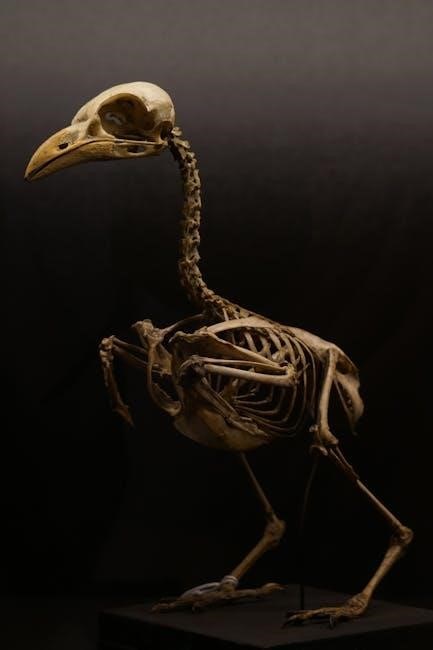
Volusia County teachers created a Biology EOC Study Guide, while others utilize Edulastic review tests for comprehensive preparation and assessment․
What is the Biology EOC?
The Biology End-of-Course (EOC) exam is a standardized assessment designed to measure student proficiency in high school biology concepts․
States like Georgia and Florida utilize EOC exams, including Biology, to evaluate student learning and school effectiveness, as highlighted by the Georgia Milestones guide․
This exam comprehensively tests understanding across key biological areas, from cell structure and function to genetics, ecology, and evolution․
The intent of sample test materials is to familiarize students with question types, ensuring they are prepared for the assessment format․
Success on the Biology EOC is often linked to utilizing dedicated study resources and practice materials, aiding comprehension and retention․
Importance of Preparation
Thorough preparation is crucial for success on the Biology EOC, as it covers a broad range of complex scientific concepts․
Students benefit from utilizing study guides, like those developed by Volusia County teachers, to reinforce learning and identify knowledge gaps․
Reviewing results after practice tests, focusing on both overall scores and individual standards, helps pinpoint areas needing further attention․
Effective preparation builds confidence and reduces test anxiety, leading to improved performance on exam day․
Cramming, while tempting, is less effective than consistent study habits and a well-structured review plan, as suggested by recent resources․
How to Use This Study Guide
This study guide is designed for self-paced learning, simplifying preparation for the Georgia Milestones Biology EOC exam․

Begin by reviewing each section’s key concepts and terminology, utilizing flashcards and practice questions for reinforcement․
Focus on areas where you struggle, revisiting relevant material and seeking clarification from teachers or peers․
Regularly assess your understanding with practice tests, mirroring the EOC’s format and content, like those offered through Edulastic․
Analyze your results to identify weak areas, then revisit those topics before attempting further assessments for optimal results․
Cell Biology
Cell Biology is a core EOC component, covering cell structure, function, processes within cells, and reproduction mechanisms for life functions․
Cell Structure and Function
Understanding cell structure is fundamental to Biology EOC success․ Cells, the basic units of life, contain various organelles each with specific functions․
These include the nucleus (control center), cytoplasm (where reactions occur), and the cell membrane (regulating entry/exit)․ Mastering these components is vital․
Focus on how each part contributes to overall cell function – processes like protein synthesis, energy production, and waste removal․
Reviewing diagrams and understanding the roles of organelles like mitochondria, ribosomes, and vacuoles will significantly enhance your preparation for the exam․
Remember, cells perform life functions, reproduction, and maintain homeostasis, all crucial concepts for the EOC․
Prokaryotic vs․ Eukaryotic Cells
A key distinction in cell biology lies between prokaryotic and eukaryotic cells․ Prokaryotic cells, like bacteria, lack a nucleus and other membrane-bound organelles․
Conversely, eukaryotic cells – found in plants, animals, fungi, and protists – do possess a nucleus and complex internal structures․
Understanding this difference is crucial for the Biology EOC․ Focus on the structural differences: prokaryotes are generally smaller and simpler․
Eukaryotic cells are larger and more complex, allowing for specialized functions․ Knowing examples of organisms in each category is also important․
Contrast unicellular and multicellular organisms, as this relates directly to prokaryotic and eukaryotic cell types and their organization․
Cell Transport (Diffusion, Osmosis, Active Transport)
Cell transport mechanisms are fundamental to life processes and a frequent topic on the Biology EOC․ Passive transport, including diffusion and osmosis, doesn’t require energy․
Diffusion moves molecules from high to low concentration, while osmosis specifically concerns water movement across a semi-permeable membrane․
Active transport, however, does require energy (ATP) to move molecules against their concentration gradient․
Understanding the differences between these processes – and how they maintain cellular homeostasis – is vital․
Cells contain mechanisms for life functions, reproduction, and maintaining internal balance, all reliant on efficient transport systems․ Review examples of each type!

Cellular Respiration and Photosynthesis
Cellular respiration and photosynthesis are interconnected processes essential for life, and key components of the Biology EOC․ Photosynthesis utilizes sunlight, water, and carbon dioxide to produce glucose and oxygen․
Conversely, cellular respiration breaks down glucose in the presence of oxygen to release energy (ATP), producing carbon dioxide and water as byproducts․
These processes form a cycle, where the products of one become the reactants of the other․
Cells contain mechanisms for life functions, reproduction, and energy production, making these concepts crucial for understanding cellular processes․
Focus on the equations, locations within the cell, and the overall purpose of each process for exam success!
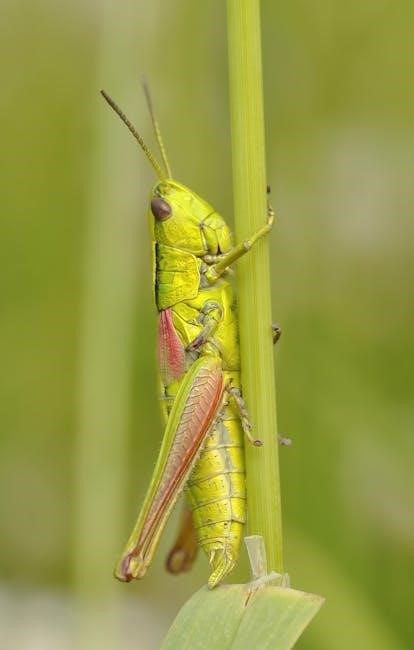
Genetics and Heredity
Genetics and heredity are fundamental to biology, covering Mendelian principles, Punnett squares, DNA structure, and protein synthesis – vital for the EOC․
Basic Principles of Mendelian Genetics
Mendelian genetics forms the cornerstone of heredity studies, focusing on how traits are passed from parents to offspring․ Understanding key concepts like dominant and recessive alleles is crucial for success on the Biology EOC․
Gregor Mendel’s experiments with pea plants revealed the principles of segregation and independent assortment․ Segregation explains how allele pairs separate during gamete formation, while independent assortment describes how different traits are inherited independently of each other․
Genotype refers to the genetic makeup, while phenotype describes the observable characteristics․ Mastering these terms and applying them to genetic crosses is essential for problem-solving on the exam․
Punnett Squares and Genetic Crosses
Punnett squares are vital tools for predicting the probability of offspring inheriting specific traits․ They visually represent all possible combinations of alleles from parents, aiding in understanding inheritance patterns․
Monohybrid crosses involve tracking one trait, while dihybrid crosses examine two․ Mastering both is essential for the Biology EOC․ Determining parental genotypes and phenotypes is the first step, followed by filling in the square to predict offspring genotypes․
Understanding terms like homozygous, heterozygous, and probability is crucial for interpreting Punnett square results and answering related exam questions effectively․
DNA Structure and Replication
DNA’s double helix structure, composed of nucleotides containing deoxyribose sugar, phosphate groups, and nitrogenous bases (Adenine, Thymine, Guanine, Cytosine), is fundamental to heredity․ Understanding base pairing rules – A with T, and C with G – is critical․
DNA replication ensures genetic information is accurately copied before cell division․ Enzymes like DNA polymerase play a key role in unwinding the double helix and building new complementary strands․
The process is semi-conservative, meaning each new DNA molecule contains one original and one new strand․ This precise replication is essential for maintaining genetic stability and is a frequent topic on the Biology EOC․
Protein Synthesis (Transcription & Translation)
Protein synthesis, a core concept in biology, involves two main stages: transcription and translation․ Transcription occurs in the nucleus, where DNA’s genetic code is copied into messenger RNA (mRNA)․
mRNA then travels to ribosomes in the cytoplasm for translation․ Here, transfer RNA (tRNA) brings amino acids to the ribosome, matching them to the mRNA’s codons (three-nucleotide sequences)․
These amino acids link together, forming a polypeptide chain, which folds into a functional protein․ Understanding the roles of mRNA, tRNA, and ribosomes is vital for success on the Biology EOC exam․

Ecology
Ecology studies ecosystems, biomes, food webs, and symbiotic relationships․ A study guide should cover population dynamics and energy flow within these complex systems․
Ecosystems and Biomes
Understanding ecosystems and biomes is fundamental to ecology, a key component of the Biology EOC․ A comprehensive study guide must detail the characteristics of major biomes – like forests, grasslands, deserts, and aquatic environments – and how organisms adapt to them․
Students should learn about abiotic factors (temperature, rainfall, sunlight) and their influence on biome distribution․ Furthermore, the guide should explain how ecosystems function, focusing on energy flow and nutrient cycling․
Exam preparation requires recognizing the interconnectedness of living organisms and their physical surroundings within these diverse environments, and how disruptions impact stability․
Food Webs and Energy Pyramids
A solid study guide for the Biology EOC must thoroughly cover food webs and energy pyramids, central to understanding ecosystem dynamics․ Students need to differentiate between producers, consumers (herbivores, carnivores, omnivores), and decomposers, and their roles in energy transfer․
The guide should illustrate how energy flows through an ecosystem, typically losing about 90% at each trophic level – explaining the pyramid’s shape․
Understanding the interconnectedness within food webs, and the consequences of removing a species, is crucial․ Practice interpreting diagrams and predicting ecosystem responses to change․
Population Ecology
A comprehensive study guide for the Biology EOC requires a strong focus on population ecology principles․ Students must grasp concepts like population size, density, distribution, and growth rate, understanding factors that influence these metrics․
The guide should detail exponential and logistic growth models, carrying capacity, and limiting factors (density-dependent and density-independent)․
Furthermore, it needs to cover age structure diagrams and their implications for future population trends․ Analyzing data related to birth rates, death rates, immigration, and emigration is essential for EOC success․
Symbiotic Relationships
A robust Biology EOC study guide must thoroughly cover symbiotic relationships, crucial for understanding ecological interactions․ Students need to differentiate between mutualism, commensalism, and parasitism, providing clear examples of each․
The guide should explain how these relationships impact population dynamics and community structure within ecosystems․ Understanding the benefits and harms experienced by each organism involved is key․
Detailed explanations, alongside illustrative examples like clownfish and anemones (mutualism) or ticks and mammals (parasitism), will solidify comprehension for the exam․ Recognizing these interactions is vital for ecological analysis․
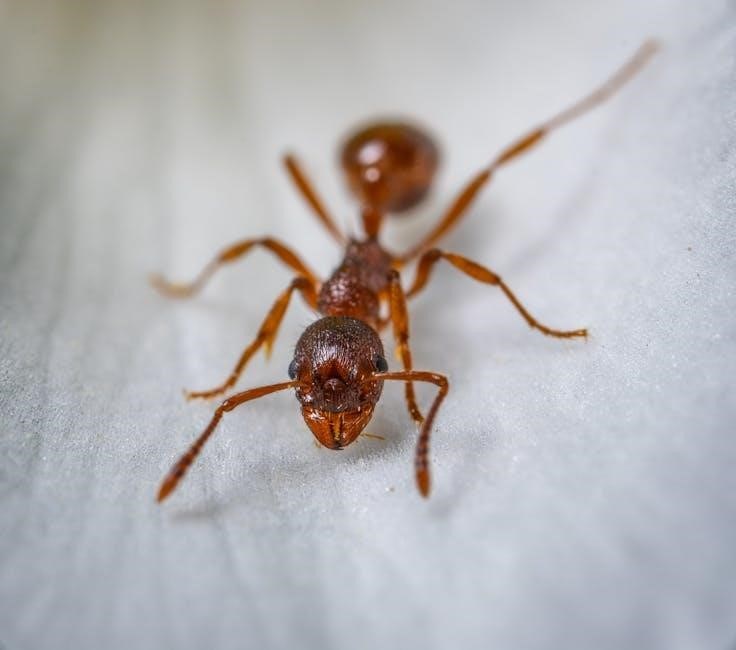
Evolution
A comprehensive study guide for the Biology EOC will explore evidence for evolution, natural selection, speciation, and crucial adaptive mechanisms for survival․
Evidence for Evolution
Understanding the evidence supporting evolution is critical for the Biology EOC․ A robust study guide will delve into fossil records, showcasing transitional forms and demonstrating changes over time․
Comparative anatomy, examining homologous structures across different species, reveals common ancestry and evolutionary relationships․ Embryological development also provides compelling evidence, as similar structures appear during early stages․
Molecular biology offers further support through DNA and protein sequence comparisons, highlighting genetic similarities and differences․ Biogeographical studies, analyzing species distribution, demonstrate how organisms adapt to unique environments․
Finally, direct observation of evolutionary change in real-time, like antibiotic resistance in bacteria, provides undeniable proof of ongoing evolutionary processes․
Natural Selection
Natural selection, the core mechanism of evolution, is a key EOC topic․ A comprehensive study guide must explain how variations within populations arise through genetic mutations․
Individuals with advantageous traits – those better suited to their environment – are more likely to survive and reproduce, passing those traits to offspring․ This leads to a gradual shift in the population’s characteristics over generations․
Understanding concepts like “survival of the fittest” and adaptive traits is crucial․ Environmental pressures, such as predation, competition, and climate change, drive this selective process․
Study guides should emphasize that natural selection acts on existing variation, not creating traits on demand, and isn’t a random process․
Speciation

Speciation, the formation of new and distinct species, is a vital concept for the Biology EOC․ A strong study guide will detail the processes that lead to reproductive isolation․
Allopatric speciation, driven by geographic barriers, prevents gene flow between populations, allowing them to diverge․ Sympatric speciation occurs within the same geographic area, often through behavioral or genetic changes․
Understanding prezygotic and postzygotic reproductive barriers is essential – these mechanisms ensure species remain distinct․ These barriers can include habitat isolation, temporal isolation, and behavioral isolation․
Study guides should clarify that speciation is a gradual process, often taking many generations, and is a cornerstone of biodiversity․
Adaptation
Adaptation is a central theme in evolutionary biology, and a comprehensive study guide for the Biology EOC must thoroughly cover this topic․ Adaptations are inherited traits that enhance an organism’s survival and reproduction in a specific environment․
These can be structural, physiological, or behavioral․ Examples include camouflage, specialized enzymes, and migration patterns․ Understanding how natural selection drives adaptation is crucial․
Study guides should emphasize that adaptations aren’t intentional; they arise from random mutations and are favored if they increase fitness․
Furthermore, explore how environmental changes can lead to new adaptations or render existing ones obsolete, impacting species survival․

Body Systems
A biology EOC study guide should detail key body systems – digestive, respiratory, circulatory, and nervous – and their interconnected functions for optimal health․
Digestive System
A comprehensive study guide for the Biology EOC must thoroughly cover the digestive system’s anatomy and physiology․ Students should understand the mechanical and chemical processes involved in breaking down food․
Key areas include the roles of organs like the stomach, small intestine, and large intestine, alongside associated structures like the liver and pancreas․ Enzyme functions – amylase, protease, and lipase – are crucial for understanding nutrient breakdown․
Absorption of nutrients into the bloodstream and the elimination of waste products are also vital concepts․ Understanding how the digestive system interacts with other body systems, like the circulatory system, is essential for exam success․
Respiratory System
A robust Biology EOC study guide necessitates a detailed exploration of the respiratory system’s structure and function․ Students must grasp the mechanics of breathing – inhalation and exhalation – and the role of the diaphragm․
Understanding gas exchange within the alveoli, specifically oxygen and carbon dioxide transfer, is paramount․ The guide should cover the pathway of air: nasal cavity, trachea, bronchi, and bronchioles․
Furthermore, the relationship between the respiratory and circulatory systems, focusing on oxygen transport via hemoglobin, is critical․ Students should also understand how factors like exercise impact respiratory rate and depth․
Circulatory System
A comprehensive Biology EOC study guide demands a thorough understanding of the circulatory system’s components and functions․ Students should detail the heart’s anatomy – chambers, valves, and major blood vessels – and trace blood flow through the body․
The guide must cover the difference between arteries, veins, and capillaries, emphasizing their roles in transporting oxygen, nutrients, and waste․ Understanding blood composition – red blood cells, white blood cells, and platelets – is crucial․
Furthermore, explore blood pressure regulation and the connection between the circulatory and respiratory systems for efficient gas exchange․ The lymphatic system’s role in immunity should also be addressed․
Nervous System
A robust Biology EOC study guide necessitates a detailed exploration of the nervous system, encompassing its structural and functional components․ Students must understand the central nervous system – brain and spinal cord – and the peripheral nervous system’s role in relaying information․
The guide should cover neuron structure, including dendrites, axons, and synapses, explaining nerve impulse transmission․ Investigating the different types of neurons – sensory, motor, and interneurons – is vital․
Furthermore, explore the brain’s regions and their functions, alongside the impact of reflexes and the interplay between the nervous and endocrine systems for coordinated bodily responses․

Scientific Method & Experimental Design
A strong study guide emphasizes formulating testable hypotheses, identifying variables (independent, dependent, control), and accurately analyzing data for valid interpretations․
Formulating Hypotheses
A crucial element of mastering the Biology EOC involves understanding how to construct effective hypotheses․ These are essentially educated guesses, predictions about the outcome of an experiment, and must be testable through scientific investigation․
Effective hypotheses are often written in an “If․․․then․․․” format, clearly outlining the proposed relationship between variables․ For example, “If plants receive more sunlight, then they will exhibit increased growth․”
Remember, a well-defined hypothesis guides the entire experimental process, ensuring focused data collection and meaningful analysis․ A solid study guide will reinforce this foundational skill for success on the exam․
Variables (Independent, Dependent, Control)
Understanding variables is paramount for excelling on the Biology EOC, particularly when analyzing experimental design; The independent variable is the factor deliberately changed or manipulated by the researcher – it’s the ‘cause․’
The dependent variable is the factor measured to see if it’s affected by the independent variable; it’s the ‘effect․’ Finally, control variables are kept constant throughout the experiment to ensure only the independent variable influences the dependent variable․
A comprehensive study guide will emphasize identifying these variables in various experimental scenarios, a skill frequently tested on the EOC․
Data Analysis and Interpretation
Mastering data analysis is crucial for the Biology EOC, extending beyond simply collecting information․ Students must interpret results, identifying trends, patterns, and anomalies within datasets presented in tables or graphs․
A strong study guide will focus on drawing logical conclusions supported by evidence, differentiating between correlation and causation, and recognizing potential sources of error․
Post-test review, as highlighted in resources, involves analyzing individual standard scores to pinpoint areas needing improvement․ This skill is vital for understanding experimental outcomes and answering EOC questions effectively․
Lab Safety
A comprehensive study guide for the Biology EOC must emphasize lab safety protocols, as questions frequently assess understanding of responsible scientific practices․ Students need to recognize potential hazards associated with common biology experiments․
This includes proper handling of chemicals, glassware, and biological specimens, alongside the correct usage of safety equipment like goggles and gloves․ Knowing emergency procedures is also essential․
Understanding and adhering to these guidelines isn’t just about exam success; it’s fundamental to conducting safe and ethical scientific investigations, a core principle of biology․
Review Strategies
Maximize EOC preparation by utilizing practice questions, identifying weak areas, and implementing effective time management techniques during the exam itself․
Practice Questions and Assessments
Consistent practice is key to excelling on the Biology EOC․ Utilizing available resources, such as Edulastic review tests, allows students to familiarize themselves with the exam’s format and question types․
After each assessment, thorough review of results is crucial․ Students should analyze their overall score and performance on individual standards to pinpoint areas needing improvement․
This targeted approach enables focused studying, maximizing efficiency and building confidence․ Sample test materials, designed to mirror the actual EOC, provide valuable practice opportunities․
Regularly engaging with practice questions reinforces concepts and strengthens problem-solving skills, ultimately leading to greater success on the Biology End-of-Course Exam․
Identifying Weak Areas
Effective preparation hinges on pinpointing knowledge gaps․ After completing practice questions or assessments, a detailed review of results is paramount for students preparing for the Biology EOC․
Analyzing performance on each standard reveals specific areas requiring further attention․ Focusing on these weak spots allows for targeted studying, maximizing study time and improving comprehension․
Don’t simply review correct answers; understand why incorrect answers were wrong․ This deeper analysis solidifies understanding and prevents repeating mistakes․
Utilize study guides and resources to revisit challenging concepts, ensuring a strong foundation before the exam․ Addressing weaknesses proactively builds confidence and boosts overall performance․
Time Management for the EOC
Strategic time allocation is crucial for Biology EOC success․ Begin studying well in advance, avoiding last-minute cramming which can increase stress and hinder retention․
Create a realistic study schedule, breaking down content into manageable chunks․ Dedicate specific time slots to each topic, prioritizing areas identified as weak during practice assessments․
During the exam itself, pace yourself carefully․ Quickly scan all questions to gauge difficulty and allocate time accordingly․ Don’t dwell too long on any single question․
If unsure, skip challenging questions and return to them later․ Effective time management maximizes the number of questions answered, boosting your overall score․